


Image dispute sparks debate over media control and optics
Karoline Leavitt Photo Becomes Flashpoint
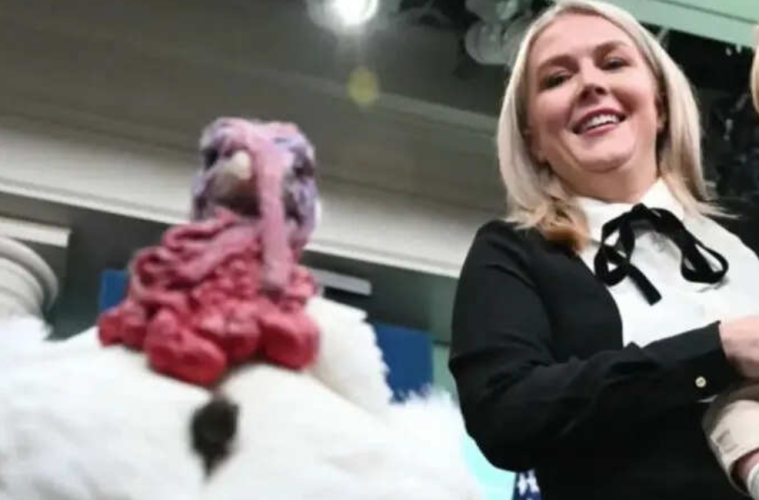
April 02, 2026 – A recent controversy involving Karoline Leavitt has ignited debate after the White House reportedly blocked the distribution of a photo that drew attention for its unflattering angle, often described online as highlighting a “turkey neck.” The decision has quickly become a focal point in discussions around media control, image management, and the evolving relationship between political figures and public perception.
The situation unfolded as media outlets and online commentators began circulating references to the image, raising questions about why it was restricted and what that decision signals about how political imagery is handled at the highest levels.
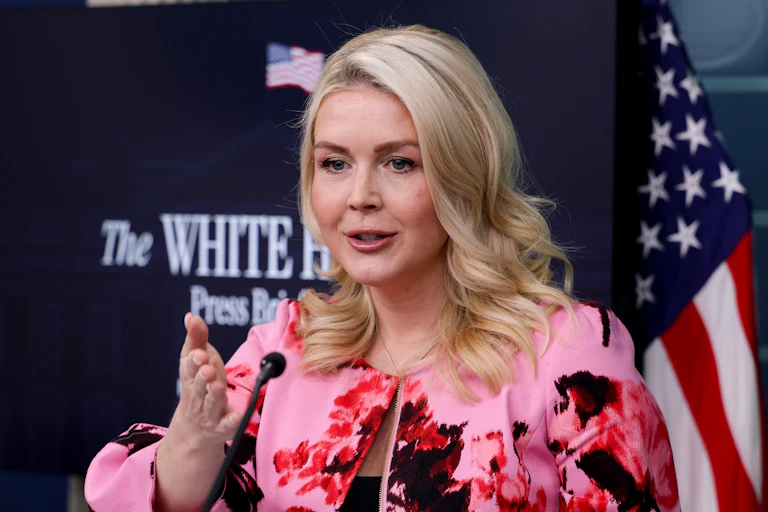
Image Credit: Getty Images
The White House Response and Media Control
The reported move by the White House to block the photo has sparked conversations about press freedom and editorial independence. While administrations have long exercised some level of control over official imagery, such actions often come under scrutiny when they appear to limit journalistic discretion.
In this case, critics argue that restricting access to a particular image—especially one already referenced publicly—raises concerns about transparency. Supporters, however, suggest that controlling unflattering or potentially misleading visuals is part of standard communications strategy.
Optics in Modern Politics
Visual presentation has always played a role in politics, but in the digital age, its importance has intensified. A single image can shape narratives, influence public opinion, and become a viral talking point within hours.
For political figures like Karoline Leavitt, whose public presence is closely tied to media coverage, even minor visual moments can take on outsized significance. The controversy highlights how optics are no longer secondary to messaging—they are central to it.
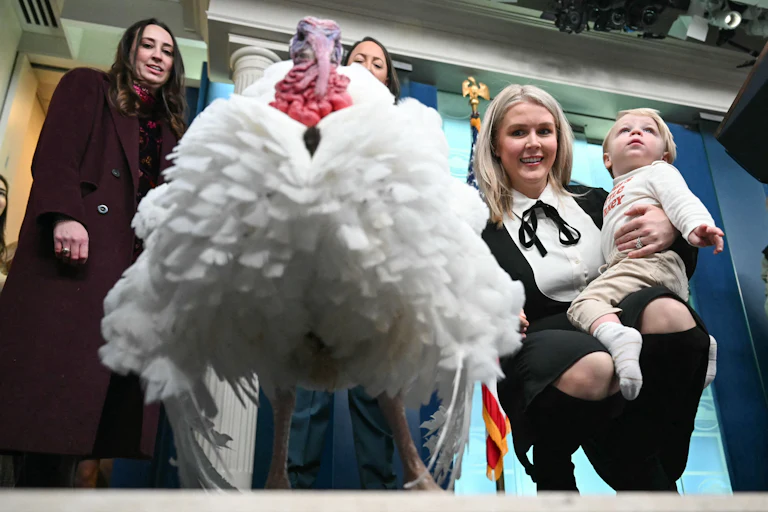
Image Credit: ANDREW CABALLERO-REYNOLDS/AFP/Getty Images
Social Media Amplification
As news of the blocked photo spread, social media platforms quickly became a battleground for interpretation. Some users framed the decision as an overreach, suggesting that attempts to suppress the image only amplified interest in it.
Others argued that the focus on a physical feature detracts from substantive political discourse, turning attention away from policy and toward appearance. This divide reflects broader tensions in how political figures are discussed and represented online.
The rapid amplification of the story underscores the difficulty of controlling narratives in a digital-first media environment.
The Politics of Image Management
Image management has long been a strategic priority for political campaigns and administrations. Carefully curated visuals are used to project authority, relatability, and confidence.
However, the line between curation and control can be difficult to define. Actions like blocking a specific photo bring that distinction into focus, prompting questions about where transparency ends and strategic messaging begins.
In this case, the controversy suggests that even well-intentioned efforts to manage perception can backfire when they are perceived as overly restrictive.
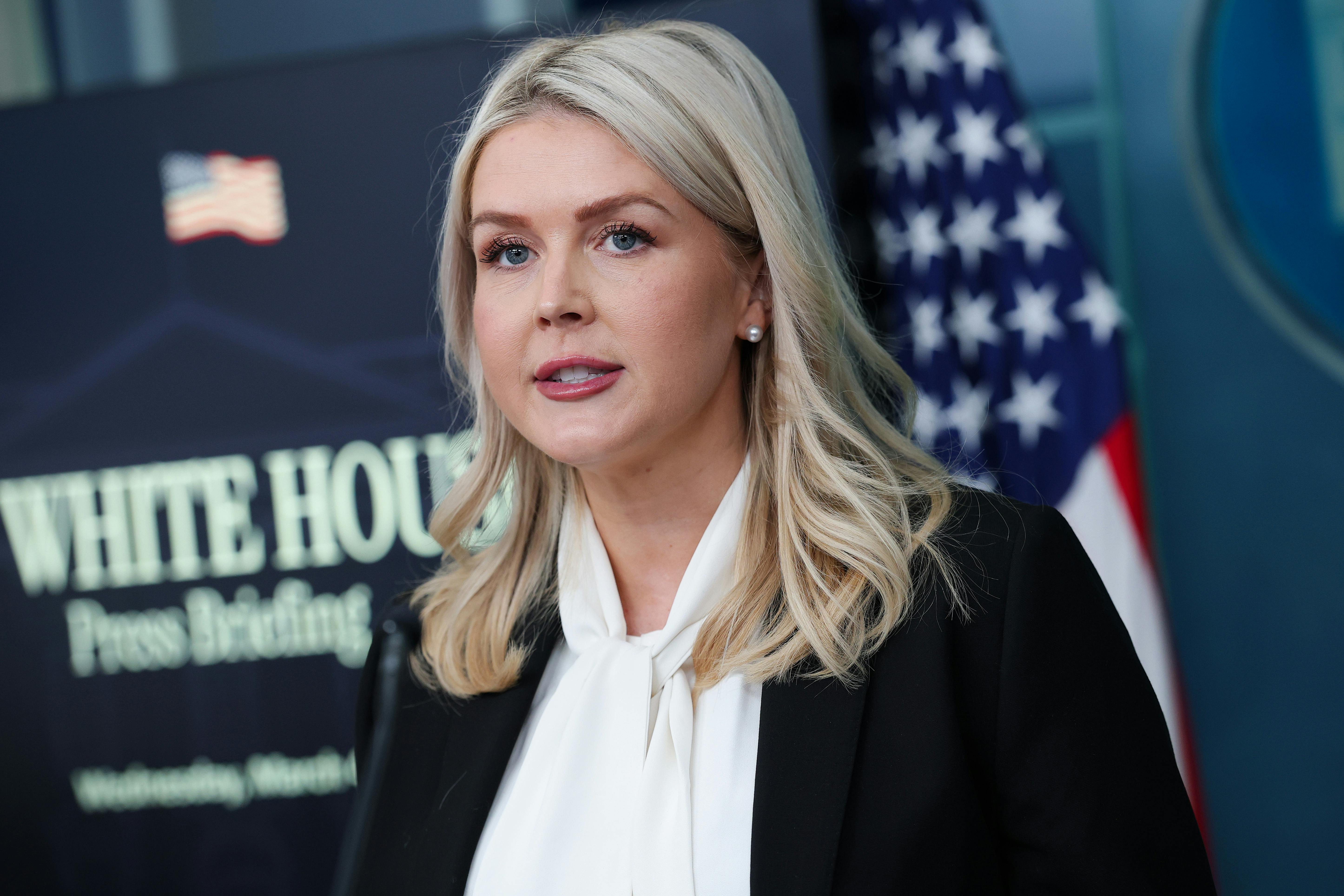
Image Credit: Getty Images
Gender and Appearance in Political Discourse
The incident also touches on a broader issue: the scrutiny of appearance, particularly for women in politics. Female public figures often face heightened attention to their physical features, which can overshadow their professional roles and contributions.
The framing of the image as highlighting a “turkey neck” reflects how quickly discourse can shift toward appearance-based commentary. This dynamic raises questions about fairness, respect, and the standards applied to public figures.
At the same time, the reaction to the photo demonstrates how deeply ingrained visual critique has become in political culture.
Media Ethics and Responsibility
The controversy places media organizations in a complex position. On one hand, there is a responsibility to report accurately and independently. On the other, there is an ongoing conversation about the ethics of publishing images that may be considered unflattering or irrelevant to a subject’s professional role.
Decisions about what to publish—and what to withhold—are rarely straightforward. In situations like this, they are further complicated by the involvement of official institutions like the White House.
The balance between journalistic freedom and ethical consideration remains a key point of debate.
Public Perception and Narrative Control
Ultimately, the incident highlights how difficult it is to control public perception in an era of constant connectivity. Efforts to suppress or manage information can sometimes have the opposite effect, drawing more attention to the issue.
For Karoline Leavitt, the controversy may have unintended consequences, shaping how she is discussed in public discourse—at least in the short term. Whether the focus remains on the image or shifts back to substantive issues will depend on how the narrative evolves.

Image Credit: Andrew Harnik / Getty Images
Broader Implications for Political Communication
The situation reflects a larger shift in political communication, where every visual element is subject to analysis and reinterpretation. As technology continues to evolve, the ability to capture, share, and critique images will only increase.
This places additional pressure on political institutions to navigate the balance between transparency and strategic communication. It also underscores the importance of adaptability in responding to rapidly changing media dynamics.
Final Thoughts
The controversy surrounding the blocked photo of Karoline Leavitt serves as a microcosm of modern political communication challenges. It brings together issues of media control, public perception, gender dynamics, and the power of social media.
While the image itself may be a fleeting moment, the conversation it has sparked is far more enduring. It highlights the complexities of navigating visibility in a world where every detail can become a headline—and where attempts to control narratives can sometimes fuel them further.
FAQs
Q1: What is the controversy about?
It involves the White House reportedly blocking a photo of Karoline Leavitt that was considered unflattering.
Q2: Why was the photo blocked?
While not fully detailed, it appears to be part of efforts to manage public image and presentation.
Q3: How have people reacted?
Reactions are divided, with some criticizing the move as restrictive and others defending it as standard practice.
Q4: What broader issues does this raise?
It highlights debates around media control, political optics, and the role of appearance in public discourse.
Q5: Why is this significant?
It reflects the growing importance of visuals in politics and the challenges of managing narratives in the digital age.
Published by HOLR Magazine