



As modern minimalism saturates the market, a distinct counter-trend has emerged: a resurgence of nostalgia and classic aesthetics. This brings a critical question to the forefront of strategic planning: Who pays for vintage pearl jewelry in Spain today?
Understanding the answer to this question is vital for brands aiming to optimize their SKUs and unique value proposition. It is no longer just about the “grandmother’s necklace”; it is about a complex interplay of “Pearlcore” fashion trends, sustainable luxury, and cultural heritage.
The opportunity lies not necessarily in sourcing scarce antiques but in manufacturing high-quality, vintage-inspired collections that meet this roaring demand with scalability and precision.
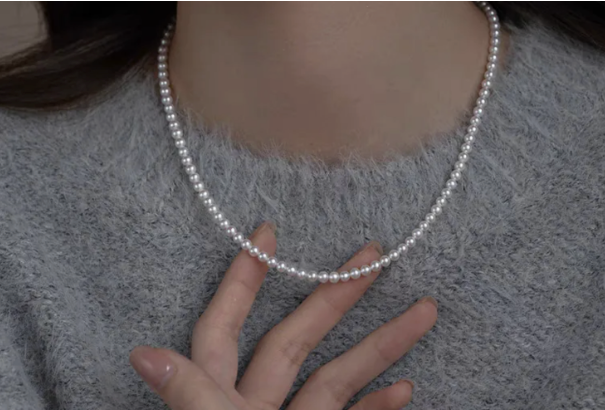
Understanding the Spanish Vintage Pearl Jewelry Market
To successfully position a new collection, brands must first dissect the demographics and psychographics of the current Spanish consumer. The demand for vintage pearl jewelry in Spain is influenced by a unique blend of deep-rooted cultural history and evolving modern habits.
1. The Intersection of “Pearlcore” and Tradition
Spain has a profound historical relationship with pearls, dating back to the Renaissance when they signaled immense wealth and social standing. Today, that history is being remixed. The “Pearlcore” movement has gained significant recognition in Spain, demonstrating particular resonance with the 20-to-30-year-old demographic.
This creates a dual-market dynamic:
- The Modern Youth: Younger consumers (Gen Z and Millennials) are driving the “daily wear” trend. They integrate pearls into everyday outfits, moving away from the notion that pearls are solely for weddings. They seek vintage-style costume pearl jewelry—pieces that look like heirlooms but are affordable enough for daily rotation.
- The Traditionalist: Older generations and high-net-worth individuals in areas like Madrid’s Salamanca district still view pearls as status symbols, often seeking investment-grade pieces or high-end reproductions that mimic the look of natural saltwater pearls.
2. Sustainability and Ethical Sourcing
The modern Spanish consumer is increasingly conscientious, showing a willing to pay a premium for ethically sourced jewelry. This sentiment heavily favors the vintage aesthetic. Vintage mother-of-pearl jewelry and repurposed designs are viewed as sustainable choices.
However, scaling genuine vintage is logistically impossible for large brands. The solution lies in “neo-vintage”—newly manufactured pieces using sustainable materials (such as recycled 925 silver or ethically manufactured pearls) that carry the aesthetic of the past.
3. Cultural and Seasonal Demand Drivers
Demand in Spain is not flat; it is highly seasonal and regional.
- Regional Festivals: During local festivities like Las Fallas in Valencia or the Feria de Abril in Seville, demand spikes for traditional and ornate pearl jewelry that complements regional attire.
- Gifting Holidays: Christmas and Mother’s Day remain peak periods.
- Ceremonial Wear: Given that Spaniards traditionally wear pearls for special occasions, the wedding and communion sectors remain lucrative channels for vintage-styled collections.
Strategic Recommendations for Growing Jewelry Brands
For jewelry brands pursuing differentiation, merely offering pearl products is insufficient for meaningful market positioning. You must curate collections that speak to the specific “vintage” desire of the Spanish consumer while maintaining supply chain efficiency.
1. Integrating “Neo-Vintage” into Product Lines
Brands should focus on integrating vintage pearl jewelry aesthetics into modern manufacturing pipelines. Instead of hunting for one-off antiques, utilize OEM manufacturing to create collections that feature:
- Baroque Pearls: Mimicking the irregular “barrueco” shapes popular in the Spanish Golden Age.
- Matte Metals: Using oxidized 925 silver or antique-finish gold vermeil to replicate the patina of age.
- Mixed Materials: Combining pearls with mother-of-pearl inlays. A design concept gaining traction is the “heirloom unboxing experience,” where the jewelry piece complements accessories like a vintage jewelry box mother-of-pearl aesthetic, creating a cohesive gift set narrative.
2. Positioning Against Competitors
To succeed in this market, brands can leverage the “Value vs. Values” equation.
- Differentiation: While competitors may focus on mass-market modern designs, your brand can own the “Modern Heritage” niche, creating pieces made with the durability of modern crafting but the soul of Spanish tradition.
- Narrative Marketing: Highlight the durability and craftsmanship. Emphasize that while the style is costume jewelry pearls (vintage), the materials (Sterling Silver, Gold Vermeil) are built to last, offering a better value proposition than cheap alloy alternatives.
3. Seasonal Marketing Execution
Align your inventory drops with the Spanish calendar.
- Q1 (Valentine’s): Focus on romantic, delicate pearl earrings.
- Q2 (Wedding/Communion): Launch heavier, multi-strand necklaces and classic cuts.
- Q3 (Autumn Transition): As Spaniards return from holidays to city life, demand shifts toward sophisticated, versatile jewelry for the workplace. Promote understated vintage pearl pendants and elegant ear studs that offer a polished “office-ready” look.
- Q4 (The Golden Quarter): This is the peak sales period driven by Black Friday and the dual gifting traditions of Christmas and Three Kings Day (Día de los Reyes Magos). Brands should focus on high-ticket “Vintage Gift Sets” (e.g., matching necklace and earring box sets) and bold, statement baroque pearls designed for Nochevieja (New Year’s Eve) parties and galas.
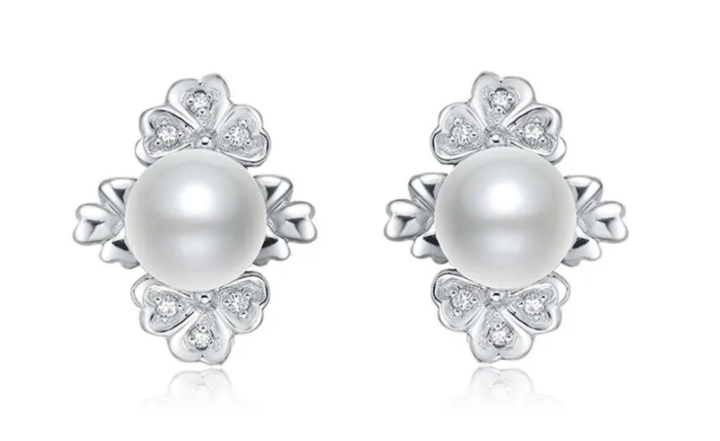
Leveraging Professional Manufacturing for Scalability
The transition to offering a vintage-inspired pearl line requires a manufacturing partner who understands nuances in metalwork and gem setting. Relying on inconsistent suppliers can damage brand reputation.
This is where Star Harvest becomes a strategic asset. As a premier OEM/ODM manufacturer with 20 years of experience, Star Harvest specializes in high-quality 925 Silver and Brass jewelry.
Why Partner with Star Harvest?
- Precision in Specification: Whether you require heavy gold vermeil to simulate antique gold or specific oxidation techniques for a retro look, Star Harvest ensures strict adherence to product specs.
- Scalable Quality: With BSCI auditing and a robust production facility in Dongguan, Star Harvest can handle the volume required by large Spanish retailers without compromising the artisanal detail that vintage lovers crave.
- Customization Capabilities: From intricate filigree work reminiscent of Spanish tradition to modern settings for baroque pearls, their OEM services allow you to build a unique product DNA that competitors cannot easily copy.
Wrapping-up
By partnering with a manufacturer that prioritizes quality and consistency, your brand can confidently answer the question of “Who pays for vintage pearl jewelry?” The answer is: Your customers, provided you offer them the perfect blend of historical charm and modern reliability.
Published by HOLR Magazine.