


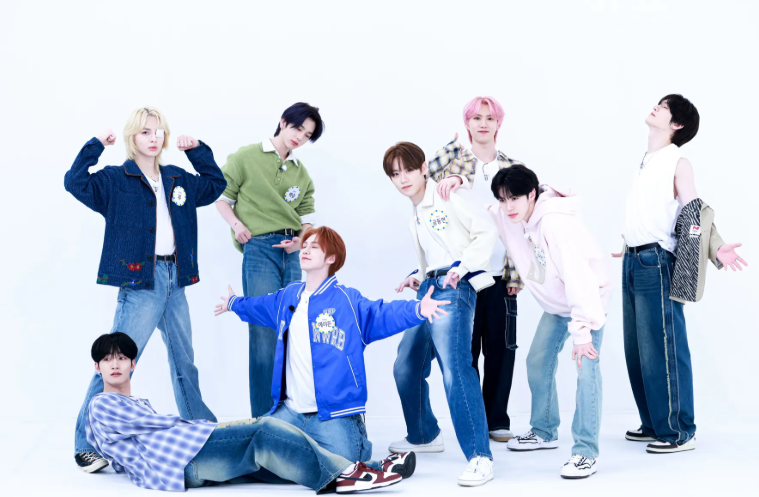
The long-running restrictions continue shaping Asia’s pop culture landscape
China’s K-Pop Freeze Still Impacts Korean Entertainment
April 10, 2026 – For nearly a decade, China’s unofficial restrictions on South Korean entertainment have remained one of the most significant cultural standoffs in Asia. What began as a geopolitical dispute has evolved into a prolonged entertainment freeze that continues to affect K-pop, K-dramas, films, and celebrity appearances across mainland China.
Although China has never formally acknowledged the existence of a complete “ban,” the practical effects have been clear for years. Korean artists have struggled to secure concert approvals, Korean dramas largely disappeared from major Chinese platforms, and collaborations between Chinese and Korean entertainment companies sharply declined. The restrictions have reshaped the relationship between two of Asia’s most influential entertainment markets and remain a major issue in regional pop culture.

Image Credit: AP Photo / Getty Images
How the Ban Began
The restrictions trace back to 2016, when South Korea agreed to deploy the U.S.-made Terminal High Altitude Area Defense (THAAD) missile defense system. China strongly opposed the move, arguing that the system threatened its national security interests and regional strategic balance.
Soon after, South Korean entertainment products began facing increasing roadblocks in China. K-pop concerts were canceled, Korean celebrities reportedly disappeared from television programming, and Korean dramas became difficult to access through official channels. Though Beijing has consistently denied implementing a formal ban, many in the entertainment industry view the restrictions as a direct response to the THAAD dispute.
Why Entertainment Became Part of the Conflict
The Korean entertainment crackdown highlighted the growing importance of “soft power” in international politics. South Korea’s cultural exports had become incredibly influential in China by the mid-2010s, with K-pop groups, Korean actors, and television dramas attracting massive fan bases throughout the country.
Because Korean entertainment held such widespread popularity, restricting its reach became a powerful symbolic and economic pressure tactic. Rather than focusing solely on diplomatic retaliation, China’s approach demonstrated how cultural influence can become entangled with political disagreements.
This move also revealed how governments increasingly view entertainment as more than simple leisure—it can be a strategic asset tied to national image, influence, and economic power.

Image Credit: AP Photo / Getty Images
China’s Domestic Industry Also Benefited
Another factor often cited in discussions about the ongoing restrictions is the rise of China’s own entertainment industry. During the Korean content freeze, domestic Chinese music, film, and television industries expanded significantly, filling gaps left behind by absent Korean imports.
Chinese talent shows, idol groups, streaming dramas, and homegrown celebrities gained stronger footholds in the market while Korean competitors remained sidelined. For some analysts, this created less urgency for China to fully reopen its market to Korean entertainment, as domestic alternatives have grown increasingly profitable and popular.
This has led many to believe the restrictions have lasted not only because of politics but also because they inadvertently strengthened China’s own entertainment ecosystem.
Fans Have Kept K-Pop Alive Underground
Despite the restrictions, K-pop’s popularity in China has never fully disappeared. Chinese fans have continued supporting Korean artists through online communities, imported merchandise, VPN-based streaming access, and international social media platforms.
Fanbases for major Korean groups such as BTS, BLACKPINK, EXO, and SEVENTEEN remain highly active in China, even without consistent official promotions in the country. This underground support has allowed Korean entertainment to maintain cultural relevance despite reduced visibility in mainstream Chinese media.
In many ways, the restrictions may have limited official access, but they have not erased audience demand.
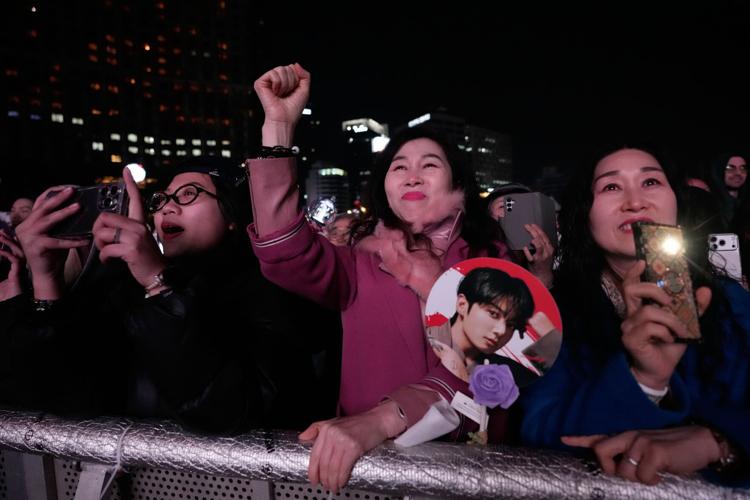
Image Credit: AP Photo / Getty Images
Signs of a Potential Thaw
In recent years, there have been signs that tensions may slowly be easing. Some South Korean-related content has reportedly begun reappearing in China in limited forms, and industry observers have pointed to small developments suggesting the restrictions may be softening. Reports in early 2026 indicated there are visible “cracks” in the longstanding blockade, though a full reopening has not yet occurred.
Still, many Korean entertainment executives remain cautious. The lack of formal policy announcements means uncertainty continues to surround the future of Korean cultural exports in China.
Why the Ban Has Lasted So Long
What makes this situation unique is not simply that restrictions were imposed, but that they have endured for nearly ten years without a definitive resolution. Normally, entertainment disputes tied to diplomacy fade relatively quickly once tensions cool. In this case, however, broader strategic concerns between China, South Korea, and the United States have kept the issue unresolved.
Additionally, because the restrictions were never officially declared, there has been no formal mechanism for lifting them. This ambiguity has allowed the ban-like environment to continue indefinitely without public acknowledgment or policy reversal.
As a result, the Korean entertainment industry has spent years waiting in limbo, uncertain when—or if—the Chinese market will fully reopen.
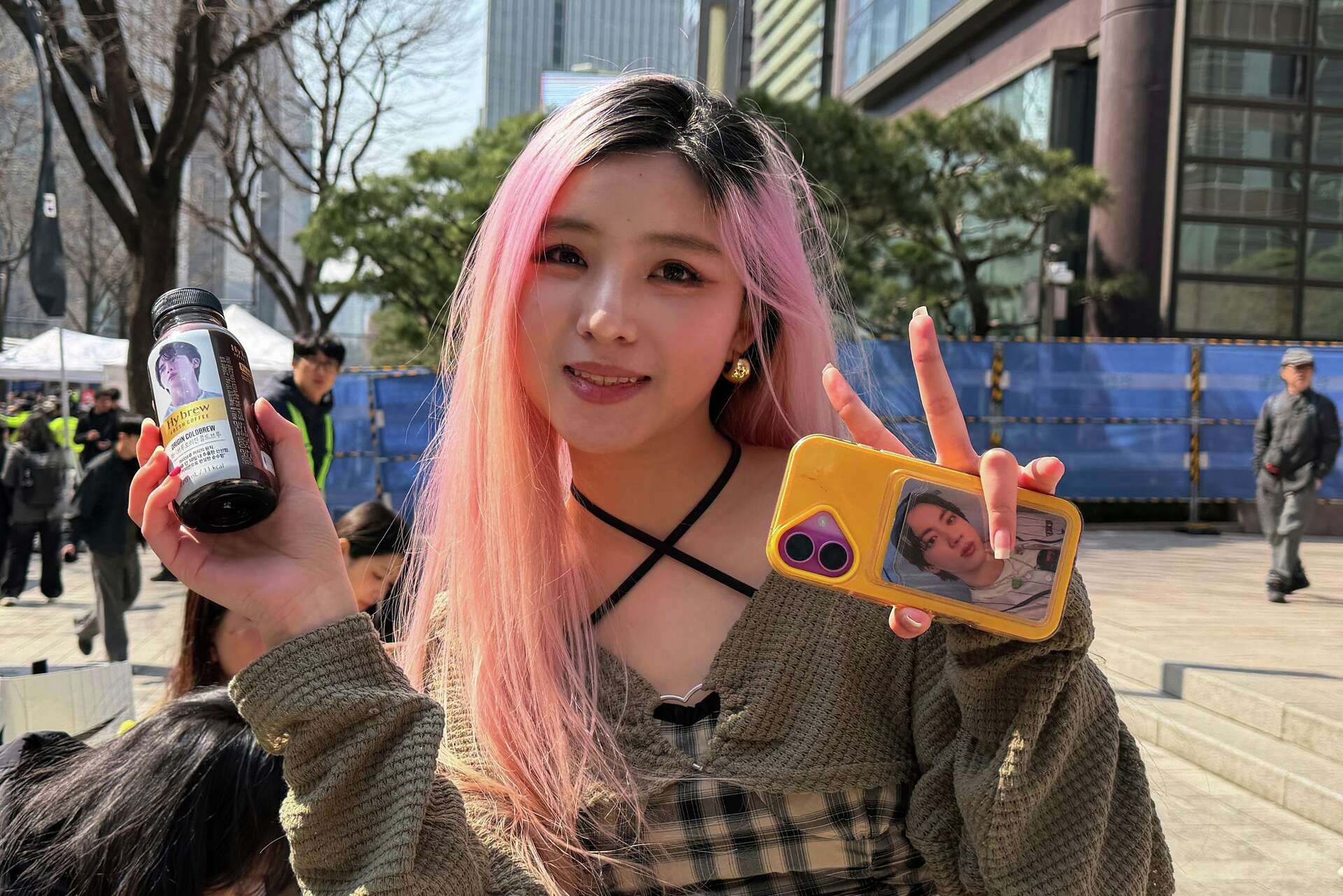
Image Credit: Juwon Park/AP
The Bigger Impact on K-Pop’s Global Expansion
While losing China was a significant setback, the Korean entertainment industry responded by expanding aggressively into Western and global markets. Over the past decade, K-pop has grown into a worldwide phenomenon, with artists finding enormous success in North America, Europe, Southeast Asia, and Latin America.
Ironically, some experts argue the China restrictions may have pushed Korean entertainment companies to diversify internationally faster than they otherwise would have. Instead of relying heavily on China, agencies broadened their strategies and built stronger global fan communities elsewhere.
That shift helped transform K-pop from a regional powerhouse into a truly international industry.
Final Thoughts
China’s decade-long restrictions on Korean entertainment reflect how deeply politics, culture, and economics can intersect in today’s global landscape. What started as fallout from a military defense dispute became one of the most consequential entertainment restrictions in modern Asian pop culture history.
Though K-pop and Korean media remain hugely popular among Chinese audiences, official access has stayed limited due to unresolved geopolitical tensions, domestic market shifts, and broader strategic concerns. Even as signs of easing emerge, the long-running freeze continues to symbolize how entertainment can become a tool of political leverage.
Whether the restrictions are eventually lifted or not, the past decade has permanently changed how Korean entertainment companies approach international growth—and how the world understands the power of pop culture in diplomacy.
FAQs
Q1: Why did China restrict Korean entertainment?
China restricted Korean entertainment following South Korea’s 2016 deployment of the THAAD missile defense system, which Beijing opposed.
Q2: Is Korean entertainment officially banned in China?
China has never formally announced a ban, but widespread restrictions have effectively limited Korean content for years.
Q3: Are K-pop concerts allowed in China?
Most Korean artists have faced difficulty obtaining approvals for concerts in mainland China since the restrictions began.
Q4: Has the ban been lifted?
Not fully. Some signs suggest restrictions may be easing, but no official full reopening has occurred.
Q5: Did K-pop lose popularity in China?
No, K-pop remains highly popular among Chinese fans despite reduced official access.
Published by HOLR Magazine