


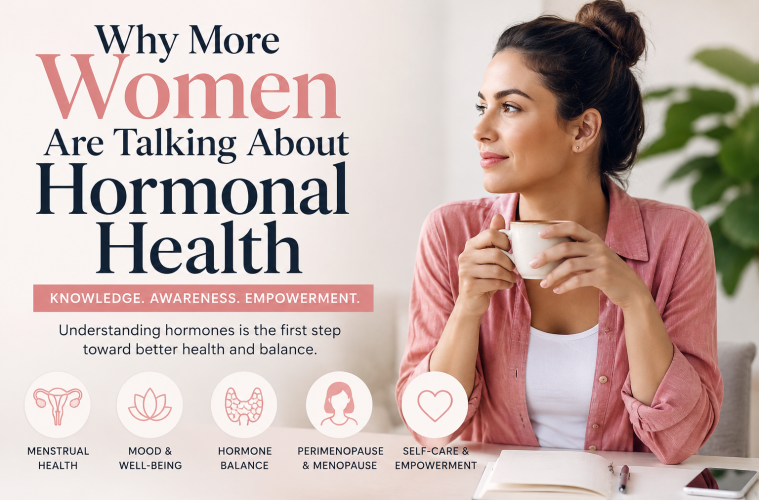
Why More Women Are Talking About Hormonal Health—And Why the Conversation Matters More Than Ever
July 21,2026: Not long ago, conversations about hormones were often limited to doctor’s offices or whispered among close friends. If someone mentioned mood swings, irregular periods, unexplained fatigue, or sudden weight changes, the response was often simple: “It’s probably just hormones.”
The irony?
While hormones were frequently blamed for a wide range of symptoms, very few people actually understood what they did—or why they mattered so much.
Today, that conversation is changing.
Across social media, podcasts, books, workplaces, and healthcare communities, more women are openly discussing hormonal health than ever before. Topics that were once considered private, from menstrual cycles and fertility to perimenopause and menopause, are now becoming part of everyday conversations.
This shift isn’t simply another wellness trend.
It’s part of a larger movement toward understanding how hormones influence nearly every aspect of a woman’s health—not just reproduction.
HOLR explores why hormonal health has become one of today’s most important wellness conversations, what hormones actually do inside the body, and why learning more about them could help women better understand their physical and emotional well-being.
Hormones: The Body’s Invisible Messengers
Most people know hormones exist, but few realize just how much they control.
Think of hormones as the body’s communication system.
They’re chemical messengers produced by glands such as the thyroid, ovaries, adrenal glands, pancreas, and pituitary gland. Once released into the bloodstream, they travel throughout the body, telling organs and tissues how to function.
Although they’re microscopic, their influence is enormous.
Hormones help regulate:
- Menstrual cycles
- Fertility and ovulation
- Pregnancy
- Sleep
- Energy levels
- Mood
- Metabolism
- Body temperature
- Appetite
- Bone health
- Skin and hair
- Stress responses
In other words, they affect far more than reproductive health.
When hormones remain balanced, many people barely notice them working behind the scenes.
But when those levels fluctuate—whether naturally or because of an underlying condition—the body often responds in ways that can feel confusing, frustrating, and sometimes overwhelming.
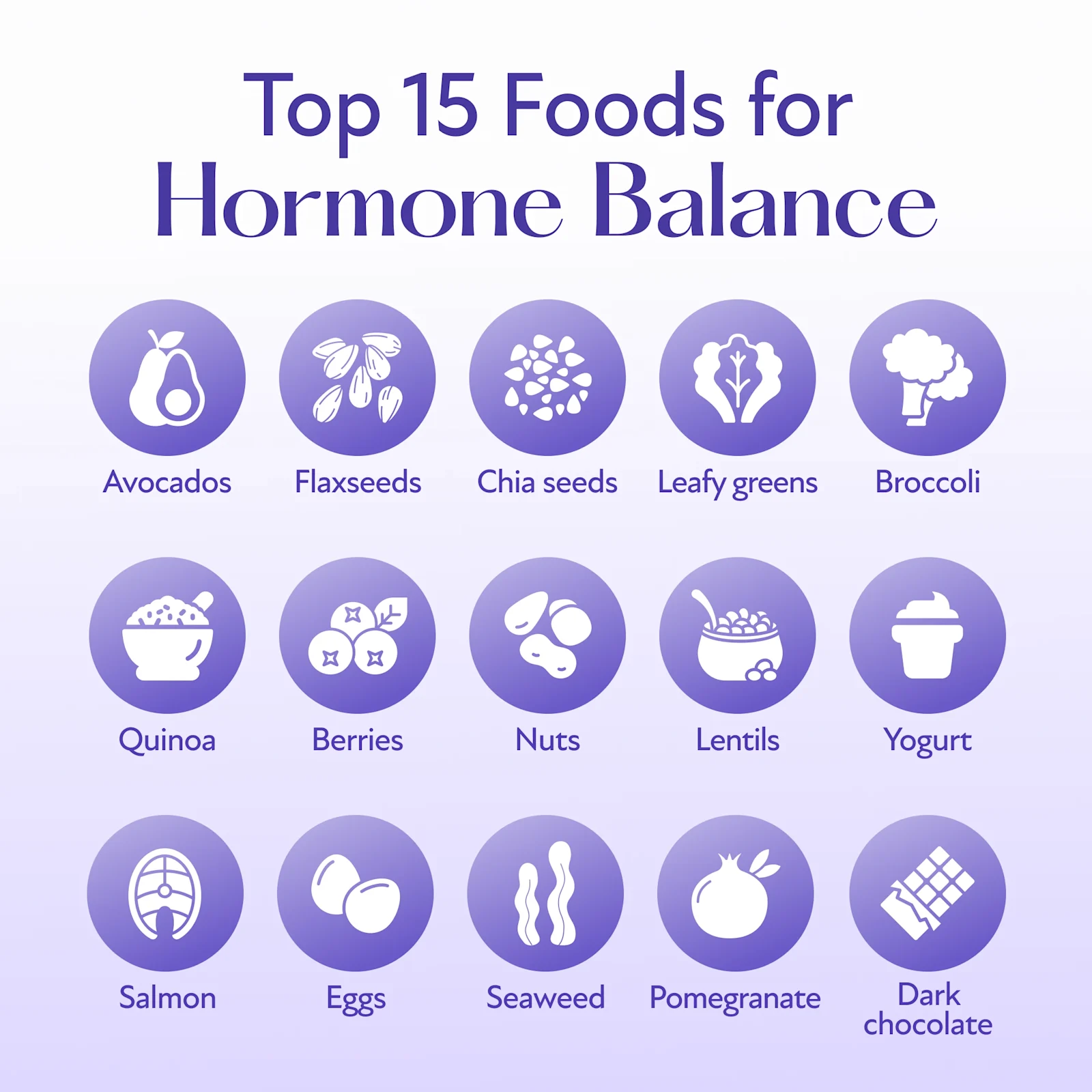
Image Credit: bywinona.com
Why Women Are Finally Speaking More Openly About Hormonal Health
For generations, many women’s health concerns were minimized or misunderstood.
Symptoms like painful periods, heavy bleeding, chronic fatigue, mood changes, or difficulty sleeping were sometimes dismissed as “normal” without further investigation.
Many women simply learned to live with discomfort.
Fortunately, attitudes are changing.
Healthcare professionals, researchers, and women’s health advocates have worked to increase awareness around conditions such as polycystic ovary syndrome (PCOS), endometriosis, thyroid disorders, premenstrual dysphoric disorder (PMDD), and the often-overlooked transition into perimenopause.
Social media has also played an unexpected role.
Doctors, gynecologists, endocrinologists, dietitians, and medical researchers now use platforms like Instagram, TikTok, and YouTube to explain hormone health in ways that are easier to understand.
Instead of relying solely on medical textbooks, women now have greater access to educational content that encourages them to ask questions and seek professional advice when something doesn’t feel right.
Of course, not every video online is accurate.
Experts remind people to be cautious about health advice shared by influencers without medical qualifications.
Still, the overall increase in conversation has helped reduce stigma surrounding topics that were once considered too personal to discuss publicly.
Hormonal Changes Are a Normal Part of Life
One of the biggest misconceptions about hormones is that they only matter during puberty or pregnancy.
In reality, hormone levels naturally change throughout a woman’s life.
During puberty, estrogen and progesterone help regulate the menstrual cycle and support physical development.
In the reproductive years, hormone levels rise and fall every month, influencing ovulation, menstruation, mood, and energy.
Pregnancy brings another dramatic shift as hormone production increases to support both mother and baby.
Later comes perimenopause—the transition leading up to menopause—which can begin years before menstrual periods stop completely.
Many women are surprised to learn that symptoms such as hot flashes, night sweats, brain fog, anxiety, irregular periods, or sleep disturbances may begin during perimenopause rather than menopause itself.
Because these changes happen gradually, they’re sometimes mistaken for stress, aging, or simply “having a busy life.”
Understanding these life stages helps women recognize what’s expected, what isn’t, and when it’s worth speaking with a healthcare provider.
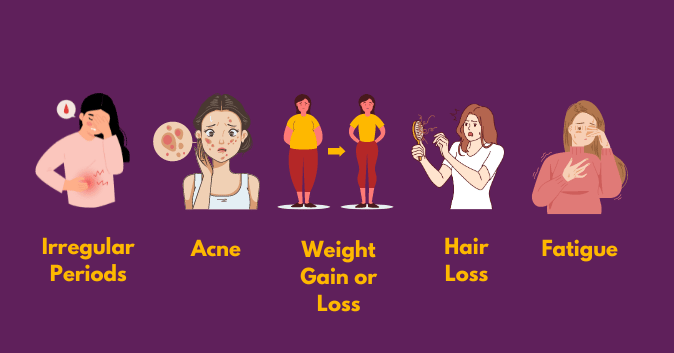
Image Credit: nimaaya.com
Hormones Affect More Than Physical Health
One reason hormonal health has become such an important conversation is because hormones influence far more than the body.
They also affect the mind.
Fluctuations in estrogen, progesterone, and cortisol can influence mood, concentration, motivation, and emotional resilience.
Many women notice changes in energy or emotions at different points during their menstrual cycle.
Others experience anxiety or depression during pregnancy, after childbirth, or throughout menopause.
These experiences are real.
They aren’t signs of weakness or “overreacting.”
At the same time, doctors emphasize that not every emotional challenge is caused by hormones alone.
Mental health is complex.
Sleep, nutrition, stress, relationships, genetics, and life experiences all play important roles as well.
Understanding hormones simply adds another piece to the larger picture of overall well-being.
Understanding Hormonal Health Starts With Understanding Your Body
One reason hormonal health has become such a widely discussed topic is because women are beginning to realize that symptoms don’t always exist in isolation.
Persistent fatigue may not simply be caused by a busy schedule.
Irregular periods aren’t always “just stress.”
Difficulty sleeping isn’t always a normal part of getting older.
While none of these symptoms automatically point to a hormonal imbalance, they can sometimes be signals that deserve attention rather than dismissal.
Healthcare professionals are encouraging women to become more familiar with their own bodies—not to self-diagnose through social media, but to recognize patterns and know when it’s time to seek medical advice.
For many women, that shift represents a significant change.
Instead of accepting discomfort as something they simply have to live with, more people are asking questions, tracking symptoms, and advocating for themselves during medical appointments.
That growing confidence may be one of the biggest reasons hormonal health has become such an important conversation.
Hormone Testing Is Becoming More Popular—But It’s Not Always Necessary
If you’ve spent time on wellness-focused social media, you’ve probably seen advertisements promoting at-home hormone testing kits.
Some promise to explain why you’re tired.
Others claim they can reveal the secret to weight loss, better sleep, or increased energy.
The reality is more complicated.
Hormones naturally fluctuate throughout the day, throughout the menstrual cycle, and during different stages of life.
A single blood test doesn’t always tell the whole story.
Doctors typically recommend hormone testing only when someone has symptoms that suggest an underlying medical condition or when they’re investigating concerns such as infertility, thyroid disease, irregular menstrual cycles, or menopause-related symptoms.
Rather than ordering tests based on social media recommendations, healthcare providers look at the complete picture.
Medical history.
Symptoms.
Physical examination.
Laboratory results.
Sometimes additional testing.
Experts say that context matters just as much as the numbers themselves.
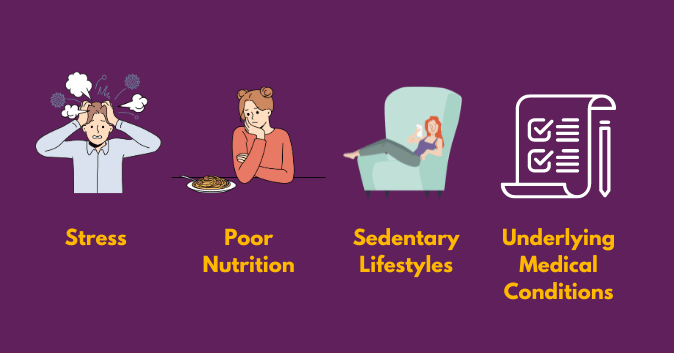
Image Credit: nimaaya.com
Can Lifestyle Really Support Hormonal Health?
One of the biggest misconceptions online is that hormone health depends on expensive supplements or complicated wellness routines.
Most doctors say the basics remain surprisingly powerful.
Getting enough sleep is one of the most important ways to support the body’s natural hormone production. During sleep, the body regulates hormones involved in stress, appetite, metabolism, and recovery.
Nutrition also plays an important role.
A balanced diet that includes fruits, vegetables, whole grains, healthy fats, lean protein, and essential nutrients supports overall health—including hormonal function.
Regular physical activity can also benefit hormone regulation by improving insulin sensitivity, reducing stress, supporting heart health, and helping maintain a healthy body weight.
Stress management matters as well.
When the body experiences chronic stress, it produces more cortisol. While cortisol is essential for responding to challenges, consistently elevated levels may influence sleep, energy, appetite, and overall well-being.
Simple habits such as regular movement, mindfulness, spending time outdoors, maintaining social connections, and making time for rest can all contribute to better overall health.
These aren’t quick fixes.
But they remain some of the most evidence-based ways to support the body’s natural systems.
Separating Wellness Trends From Medical Advice
As interest in hormonal health has grown, so has the number of products claiming to “balance hormones.”
From detox teas and powders to supplements and restrictive diets, the wellness industry has introduced countless products promising dramatic results.
Doctors urge caution.
The phrase “hormone balancing” is frequently used in marketing, but it doesn’t always reflect medical science.
Some supplements may help individuals with specific nutrient deficiencies, but many products marketed online have limited clinical evidence supporting their claims.
That’s why healthcare professionals recommend speaking with a qualified doctor, gynecologist, or endocrinologist before beginning any treatment or supplement intended to affect hormone levels.
Good health information should empower people—not pressure them into buying expensive products.
The Future of Women’s Health Is Becoming More Personal
Perhaps the most encouraging change isn’t simply that hormonal health is trending.
It’s that women are becoming more informed.
Conversations that were once uncomfortable are now taking place in workplaces, schools, healthcare settings, and online communities.
Researchers continue learning more about conditions that have historically received limited attention.
Healthcare providers are placing greater emphasis on individualized care rather than assuming every woman’s experience will be the same.
At the same time, women are becoming stronger advocates for their own health.
They’re asking questions.
Seeking second opinions.
Tracking symptoms.
Learning the difference between internet advice and evidence-based medicine.
That knowledge has the potential to improve not only individual health but also future research and awareness.
Image Credit: nimaaya.com
Final Thoughts
Hormones influence almost every stage of a woman’s life, yet for many years they remained one of the least understood aspects of health.
Today’s conversations represent something much bigger than a wellness trend.
They reflect a growing recognition that understanding hormone health helps women better understand their bodies.
From puberty and pregnancy to perimenopause and menopause, hormonal changes are a natural part of life.
Some changes require medical care.
Others simply require awareness, patience, and self-compassion.
Perhaps the most important lesson is this:
Listening to your body isn’t about searching for problems.
It’s about paying attention when something feels different.
The more women feel comfortable discussing hormonal health openly, the easier it becomes to reduce stigma, improve education, encourage earlier diagnoses, and ensure future generations have access to better information than those who came before them.
Knowledge doesn’t eliminate every health challenge.
But it empowers women to ask better questions, make informed decisions, and become active partners in their own healthcare.
And that may be the most important health trend of all.
FAQs
Why are more women talking about hormonal health?
More women are discussing hormonal health because awareness around menstrual health, fertility, PCOS, endometriosis, perimenopause, and menopause has grown significantly. Increased education, medical research, and conversations on social media have encouraged women to better understand their bodies and seek appropriate healthcare.
What are the common signs of hormonal imbalance in women?
Symptoms can include irregular periods, fatigue, mood changes, acne, unexplained weight changes, sleep disturbances, hot flashes, low energy, and changes in hair or skin. These symptoms may have many causes, so it’s important to consult a healthcare professional for an accurate diagnosis.
How do hormones affect a woman’s overall health?
Hormones help regulate menstrual cycles, fertility, metabolism, mood, sleep, bone health, stress response, body temperature, and energy levels. Balanced hormone levels support many essential body functions throughout different stages of life.
What are the biggest stories trending online today? Read the latest here
Published by HOLR Magazine
Image Credit: AI