



Here’s what the KaMangyan shampoo issue is about, explaining the viral deleted TikTok video and why it sparked major online debate.
KaMangyan shampoo: How the Controversy Started?
February 3, 2026 — The term “KaMangyan shampoo issue” refers to a TikTok video that went viral after being accidentally uploaded and then quickly deleted by popular Filipino content creator KaMangyan. The clip was reportedly meant to be a sponsored shampoo-related post but mistakenly included unintended footage, leading to immediate backlash and widespread online attention once viewers began saving and resharing it.
Although the original video was removed almost instantly, it had already been downloaded and circulated across multiple platforms—turning a brief mistake into a full-blown viral controversy.

Image Credit; Know Your Meme
Why the Video Spread So Quickly
What fueled the virality wasn’t just the content itself, but the fact that it was deleted. As is often the case with online scandals, removal sparked curiosity. Users rushed to repost the clip, discuss it, or claim they had access to it—causing the issue to trend across TikTok, X, Reddit, and private messaging apps.
The speed at which the video traveled highlighted a harsh reality of digital culture: once content is uploaded, control over it can vanish within minutes.
Online Reaction and Backlash
Reactions were mixed. While some users treated the situation as gossip or sensational content, many fans and fellow creators expressed concern and support for KaMangyan. Messages calling for empathy, privacy, and accountability flooded comment sections, with users urging others to stop sharing the deleted video.
The incident also sparked debates around online behavior—particularly the ethics of resharing content that was clearly not meant to be public.
Creator Impact and Privacy Concerns
For KaMangyan, the situation reportedly became overwhelming as the clip continued circulating despite being taken down. The incident raised serious concerns about consent, digital boundaries, and the emotional toll viral scandals can have on creators.
Many commentators noted that mistakes in content creation—especially in sponsored or edited posts—should not result in long-term harassment or exploitation. The conversation quickly moved beyond one creator to address systemic issues across social media platforms.

Image credit; Blog Tài Chính EUF
Why the Issue Is Still Trending
The KaMangyan shampoo issue continues to resurface because it represents a larger pattern in internet culture. It serves as a case study in how:
- Deleted content often becomes more viral
- Online audiences can blur the line between curiosity and harm
- Creators are vulnerable once content leaves draft mode
As TikTok and other platforms continue to grow, incidents like this remain highly relevant—and frequently resurface whenever similar controversies occur.
A Broader Digital Ethics Debate
Beyond the individual incident, the controversy reignited discussions about digital responsibility. Many users questioned whether platforms are doing enough to protect creators from non-consensual redistribution and whether viewers should be held accountable for amplifying harmful content.
The issue also reminded creators of the importance of careful editing and previewing—but equally reminded audiences that empathy should not disappear just because something is trending.
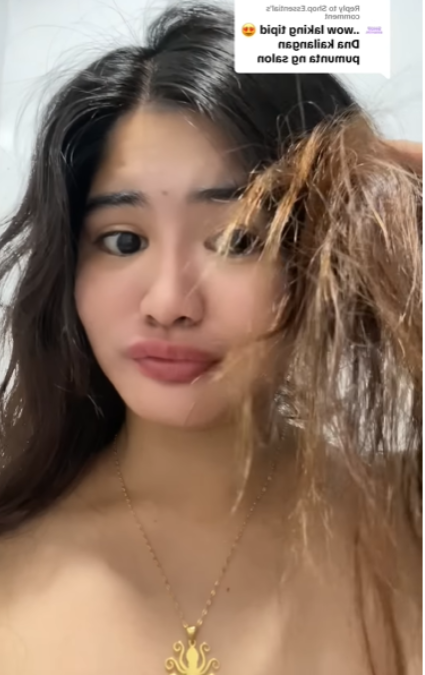
Image credit; Blog Tài Chính EUF
The Takeaway
The KaMangyan shampoo issue is not just about a deleted TikTok video—it’s about the permanence of digital footprints and the consequences of viral culture. Once content spreads, intent often gets lost, and real people are left to deal with the fallout.
As the conversation continues, many hope the focus shifts away from the video itself and toward lessons around privacy, accountability, and responsible online behavior.
Published by HOLR Magazine