


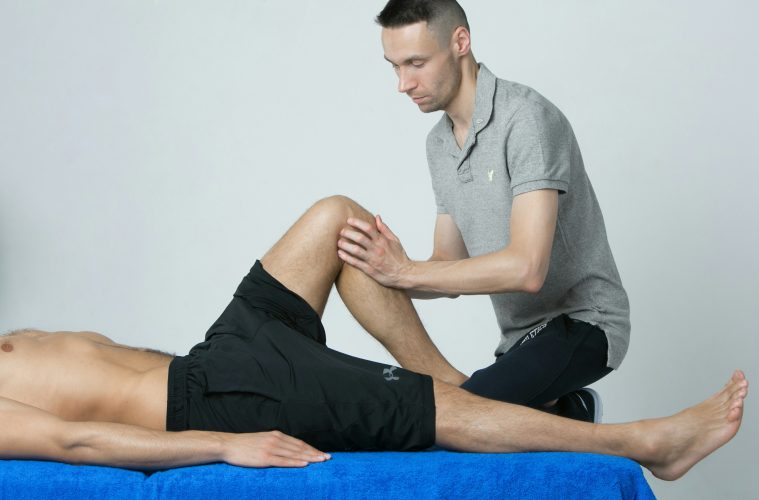
Staying active is a huge part of modern life. We want to run, dance, and explore without feeling every step. Your knees carry the weight of these ambitions. If they start to ache, it can feel like your world is shrinking. Caring for your joints isn’t just about surgery or medicine. It’s about how you move, eat, and rest every single day. Taking a proactive stance now means you can keep your momentum for decades. Let’s look at how to protect those hinges.
Thinking About Joint Stress Early
You don’t have to wait for an injury to start thinking about your leg strength. Finding the right knee pain treatment helps you keep hitting the gym or the pavement with zero worries. A solid plan keeps you moving without limitations. Your body responds to the demands you place on it. Strong muscles around the joint act like shock absorbers. When you build that support system, you reduce the strain on the cartilage itself. It’s a long-term investment in your freedom of movement. Strength training helps keep the mechanics of your legs in check.
Moving Beyond Old School Imaging
Many people think they need a scan the moment a joint feels stiff. Medical experts suggest that doctors should not routinely offer scans to patients who show signs of osteoarthritis. These images often show wear and tear that is perfectly normal for your age. Seeing a picture of a damaged joint can sometimes make you feel more limited than you really are. Focus on how your leg feels and functions rather than what an X-ray shows. Clinical care standards are shifting to treat the person, not the picture. You can manage your symptoms effectively without seeing a black and white image of your bones.
Managing Your Daily Load
Gravity works against your joints every time you stand up. Keeping your weight in a healthy range is a main way to stop joint wear from getting worse. Even a small weight change can take 10s of pounds of pressure off your kneecaps. This makes every flight of stairs or morning jog feel much easier. It isn’t about fitting into a certain size. It’s about making sure your internal structure isn’t working overtime. Your joints will thank you for the lighter load. You will feel more nimble when your body isn’t carrying extra weight.
The Science of Movement
Movement is the best grease for your joints. A huge review of over 200 trials found that aerobic workouts are the top pick for fixing joint stiffness. You don’t have to run marathons to see the benefits. Low-impact activities like cycling or swimming get the blood flowing without the heavy impact. This flow brings nutrients to the cartilage and keeps things sliding smoothly. Consistency is the secret sauce here. Aim for 30 minutes of light movement most days of the week.
- Walking at a brisk pace in the park.
- Cycling on a flat path or on a stationary bike.
- Swimming laps or doing water aerobics.
- Yoga or pilates to improve your range of motion.
New Medical Frontiers for Mobility
Modern medicine is moving toward drug-sparing ways to fix function and cut back on pain. Scientists are finding ways to help the body heal itself. This shift helps patients maintain an active lifestyle without needing surgery.
Exploring Modern Injections
Studies from 2025 show that special injections can keep joints feeling better for up to 2 years. These treatments are becoming more common as people look for ways to avoid the operating table. New research found that certain weight loss medications can help lower the amount of pain people feel in their legs. These options offer a bridge for people who find exercise too painful to start. They provide a path back to an active life.
Sustaining Your Progress
Staying consistent with your health choices pays off as the years go by. A program focused on daily choices showed that women could lower their risk of joint issues after just 12 months. Small habits like stretching and eating well add up to big results. Recent data shows that physical therapy truly beats out steroid shots when you look at how people feel a year later. Working with a professional to fix your form is often better than a quick fix. It builds a foundation of strength that lasts. You gain skills to manage your health for the long run.

Everyone’s body is different, so your plan should be too. Listen to the signals your knees send you after a long day. If they feel hot or swollen, take a day to rest and ice them. If they feel stiff, they might just need a gentle walk. Balance is the goal of this lifestyle. You want to push yourself enough to stay strong but not so much that you cause damage. Your future self will be glad you took the time to listen today. Keep moving and stay curious about your health.
Published by HOLR Magazine.