


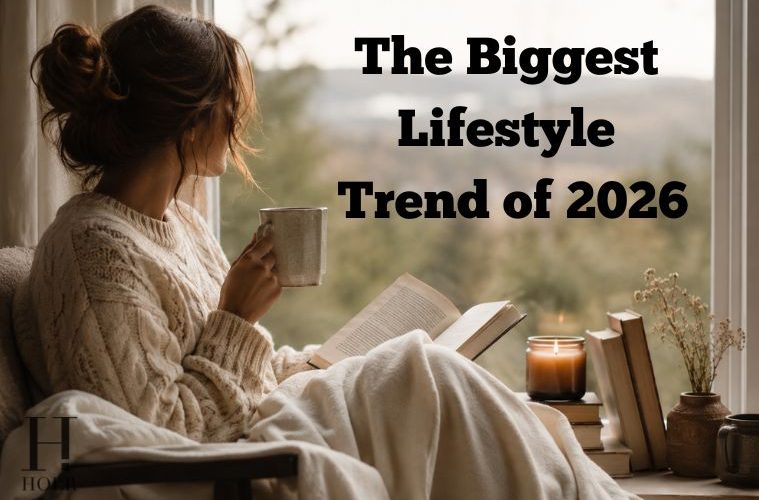
More people are embracing digital detoxes, slow routines, and intentional living amid rising online burnout.
The Shift Away From Constant Connectivity
May 23, 2026: For years, society embraced the idea that being constantly connected was the ultimate sign of productivity and relevance. Notifications, endless scrolling, instant messaging, and always-on work culture became part of everyday life. However, in 2026, a major cultural shift is taking place as more people begin stepping away from digital overload and embracing what many are calling “Offline Living.”
From Gen Z consumers deleting social media apps to millennials creating screen-free routines, the growing movement reflects a larger desire for peace, balance, and intentional living. Across TikTok, Instagram, YouTube, and Pinterest, audiences are increasingly engaging with content focused on slow mornings, digital detoxes, cozy home routines, and low-stimulation lifestyles. HOLR breaks down the story here.

Image Credit: chatgpt.com
What Is “Offline Living”?
Offline Living does not necessarily mean abandoning technology completely. Instead, it focuses on creating healthier boundaries with digital consumption while prioritizing real-world experiences and emotional wellbeing.
The trend includes habits such as:
- reducing screen time
- taking social media breaks
- avoiding phone use first thing in the morning
- creating tech-free bedrooms
- prioritizing outdoor activities
- journaling and mindfulness
- reading physical books
- spending more time with family and friends
Unlike previous wellness trends that focused heavily on maximizing productivity, Offline Living encourages people to slow down and become more present in their daily lives.
Many consumers are now realizing that constant connectivity can contribute to anxiety, burnout, and emotional exhaustion. As a result, people are searching for ways to reclaim balance in a world dominated by algorithms and digital pressure.
Why the Trend Is Exploding in 2026
The rise of Offline Living is directly connected to growing digital fatigue. Over the last few years, social media usage has become increasingly intense, with users constantly exposed to short-form content, AI-generated media, viral trends, and endless information cycles.
While technology continues to evolve rapidly, audiences are beginning to crave something simpler and more authentic.
Many people now feel overwhelmed by:
- notification overload
- comparison culture
- online pressure
- doomscrolling
- unrealistic productivity expectations
- algorithm-driven content
As a result, “quiet wellness” and intentional living have become some of the most talked-about lifestyle trends of 2026.
Consumers are increasingly prioritizing experiences that help them feel calmer, more grounded, and emotionally regulated. HOLR has the latest news on the growing lifestyle shift that is changing how people interact with technology.

Image Credit: chatgpt.com
Gen Z Is Leading the Movement
One of the biggest drivers behind Offline Living is Gen Z. Although younger generations grew up online, many are now reevaluating their relationship with social media and digital culture.
Instead of glamorizing hustle culture and constant availability, younger audiences are embracing:
- realistic routines
- mental wellness
- emotional boundaries
- slower lifestyles
- meaningful relationships
- personal peace
This shift is also influencing the type of content that performs best online. Videos featuring calming environments, nature walks, slow mornings, journaling routines, and cozy aesthetics continue gaining millions of views across social platforms.
Interestingly, audiences are no longer looking only for aspirational luxury content. Instead, they are gravitating toward creators who promote authenticity, balance, and emotional honesty.
The Rise of “Soft Living” and Cozy Culture
Offline Living also overlaps heavily with the growing popularity of “soft living” and cozy culture trends.
Social media feeds are increasingly filled with:
- candle-lit home routines
- minimalist bedrooms
- wellness cafés
- quiet vacations
- calming playlists
- book clubs
- analog hobbies
- home cooking content
These trends reflect a larger emotional need for comfort and simplicity.
For many people, Offline Living has become less about completely disconnecting and more about intentionally choosing what deserves their attention. The idea of protecting one’s peace is becoming a major lifestyle priority internationally.

Image Credit: artofliving
Why Brands and Businesses Are Paying Attention
The popularity of Offline Living is also influencing businesses across fashion, wellness, travel, and home design industries.
Brands are now focusing more on:
- calming aesthetics
- wellness-focused experiences
- mindfulness products
- self-care routines
- nature-inspired design
- digital detox retreats
Luxury itself is beginning to change. In 2026, uninterrupted sleep, quiet mornings, and time away from screens are increasingly viewed as valuable forms of self-care.
Travel trends are also evolving as more consumers search for destinations focused on relaxation, nature, and low-tech experiences instead of highly scheduled itineraries.
This cultural shift demonstrates how emotional wellbeing is becoming just as important to consumers as productivity and convenience.
Why Offline Living Resonates With Audiences
One of the reasons Offline Living continues performing so well online is because it feels universally relatable.
Almost everyone understands the feeling of being mentally exhausted by screens, notifications, and constant digital interaction. The trend speaks directly to people who want healthier routines without unrealistic expectations.
It also offers a sense of emotional comfort during a time when many consumers feel overstimulated by fast-paced internet culture.
As conversations around burnout, mental wellness, and digital boundaries continue growing, Offline Living is likely to remain one of the defining lifestyle trends of 2026 and beyond.
Rather than rejecting technology completely, people are learning how to use it more intentionally — and that balance may ultimately redefine modern wellness culture for years to come.

Image Credit: meer
Published by HOLR Magazine