


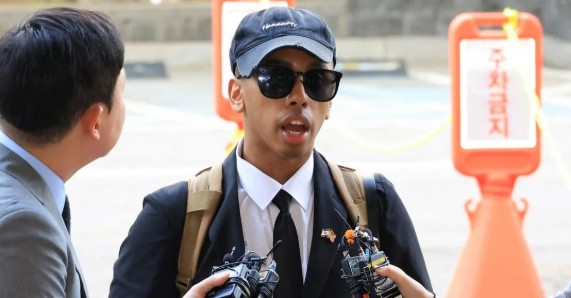
Johnny Somali sentenced to six months in South Korea after controversial public nuisance incidents spark outrage
A Viral Case Turns Into a Legal Verdict
April 15, 2026 — An American YouTuber, Ramsey Khalid Ismael, widely known online as “Johnny Somali,” has been sentenced to six months in prison by a South Korean court. The ruling follows a series of controversial and disruptive incidents that authorities classified as public nuisance and obstruction of business.
According to reports, the Seoul Western District Court found the 25-year-old guilty of multiple charges tied to behavior that repeatedly violated public order and local laws.
HOLR breaks down the story here, explaining what led to the sentencing and why the case has drawn global attention.
Video Credit: @Firstpost
What Did the YouTuber Do?
The case centers around a pattern of provocative behavior that Ismael allegedly carried out while livestreaming and creating content in South Korea.
Authorities cited several incidents, including:
- Harassing individuals in public places
- Disrupting businesses such as convenience stores
- Creating disturbances on public transport
- Filming and sharing offensive content online
One of the most controversial acts involved a video in which he performed inappropriate actions on a statue honoring victims of wartime sexual slavery—an act that sparked widespread outrage across the country.
The court concluded that these actions were carried out intentionally to generate views and revenue online, showing disregard for local laws and cultural sensitivities.
The Charges and Court Decision
Ismael was charged with:
- Obstruction of business
- Violations of public order laws
- Distribution of inappropriate or fabricated content
Prosecutors initially sought a much harsher sentence—reportedly up to three years in prison. However, the court ultimately handed down a six-month sentence, citing the nature of the offenses and the broader impact on the public.
He was taken into custody immediately after sentencing, as the court considered him a potential flight risk.

Image Credit: Yahoo
Why the Case Sparked National Outrage
The backlash against Ismael in South Korea was significant, largely due to the cultural sensitivity of some of his actions.
The incident involving the statue—commemorating victims of historical wartime abuse—was particularly controversial. Many viewed his behavior as deeply disrespectful, leading to widespread condemnation from the public and media.
Additionally, his repeated disruptive actions in everyday public spaces contributed to growing frustration among locals.
For readers, this highlights how cultural context plays a critical role in how behavior is perceived—and judged—globally.
A Pattern of Controversial Behavior
Ismael, known for “trolling” content, has built an online presence around provocative and often offensive stunts. His actions in South Korea were not isolated, as he has previously faced backlash in other countries for similar behavior.
Authorities emphasized that his actions were not accidental but part of a deliberate strategy to gain online attention and profit from viral content.
This raises broader questions about the limits of online content creation and the responsibilities that come with global visibility.

Image Credit: YT@Arirang News
Legal Consequences Beyond Jail Time
In addition to the six-month prison sentence, reports indicate that Ismael may face further restrictions following his release.
These include:
- A potential ban from certain types of work
- Legal monitoring requirements
- Possible deportation or entry restrictions
Such measures reflect the seriousness with which South Korean authorities have treated the case.
The Role of Social Media in the Case
This case underscores the growing intersection between social media behavior and legal accountability.
What may be intended as “content” online can have real-world consequences—especially when it involves:
- Public disruption
- Cultural insensitivity
- Harassment of individuals
For readers, this situation serves as a reminder that global platforms come with global responsibilities.
Image Credit: facebook@iwmbuzz
Public Reaction and Global Attention
The sentencing has drawn international attention, with discussions focusing on both the severity of the punishment and the nature of the actions.
Some view the case as a necessary step in holding online creators accountable, while others see it as a warning about the risks of pushing boundaries for viral content.
HOLR has the latest news showing that the case has become a key example of how different countries handle disruptive behavior by influencers.
What This Means for Content Creators
For aspiring and established creators alike, this case highlights important lessons:
- Respect local laws and cultural norms
- Understand the impact of content beyond views and engagement
- Recognize that online actions can lead to legal consequences
As digital platforms continue to grow, so does the expectation of accountability.
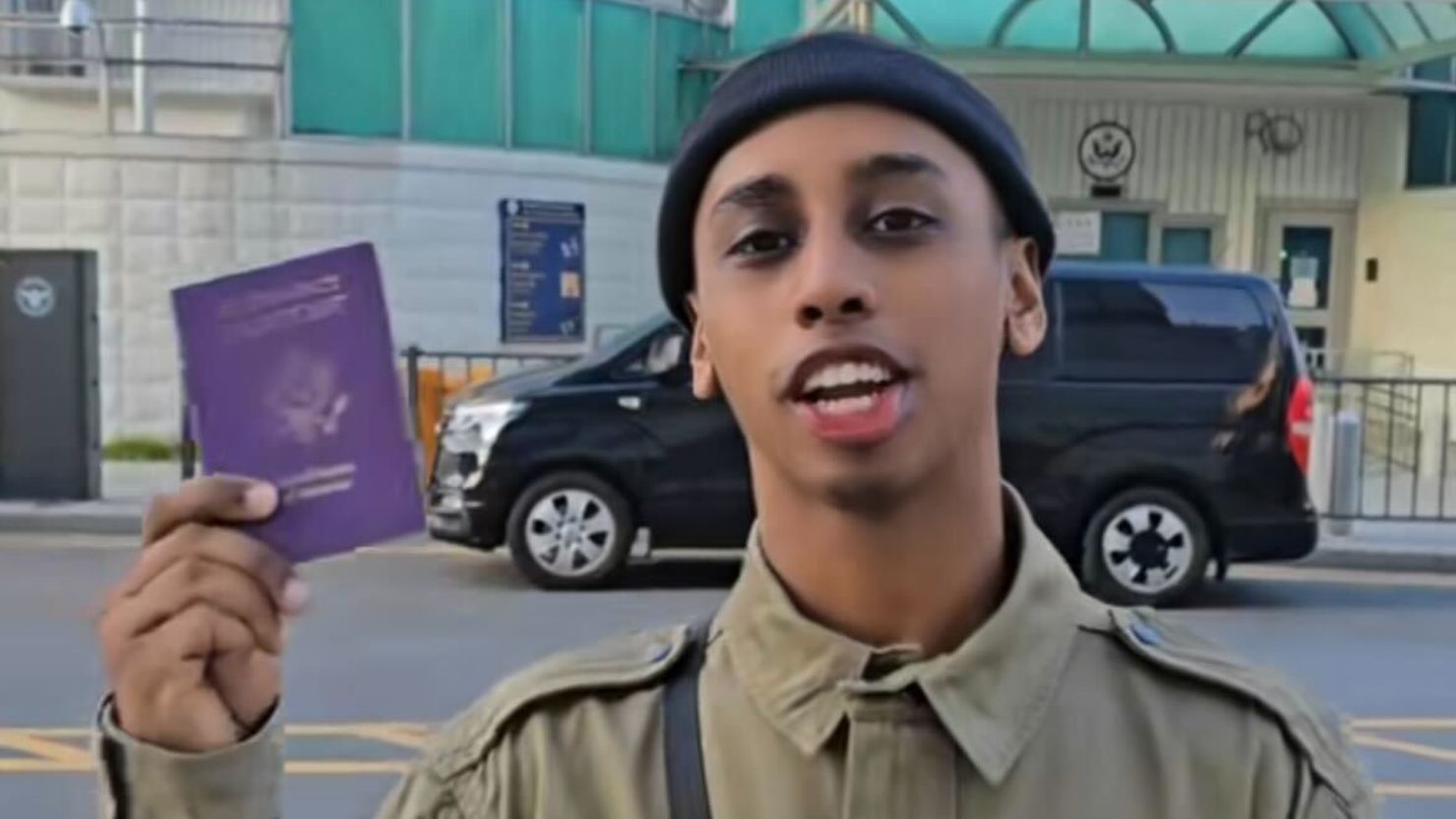
Image Credit: CNN
Final Thoughts
The sentencing of Johnny Somali marks a significant moment in the ongoing conversation about influencer behavior and legal responsibility.
HOLR breaks down the story here by emphasizing that while social media offers global reach, it also comes with real-world consequences—especially when actions cross legal or cultural boundaries.
For readers, the case serves as both a headline and a cautionary tale about the limits of content creation in an increasingly connected world.
FAQs
Who is the American YouTuber jailed in South Korea?
Ramsey Khalid Ismael, known online as Johnny Somali.
Why was he sentenced to jail?
He was convicted of public nuisance, obstruction of business, and related offenses.
How long is his sentence?
He was sentenced to six months in prison.
What did he do to cause outrage?
He engaged in disruptive public behavior and posted offensive content, including actions involving a sensitive historical monument.
Is the case still ongoing?
The sentencing has been issued, but further legal or administrative actions may follow.
Published by HOLR Magazine