


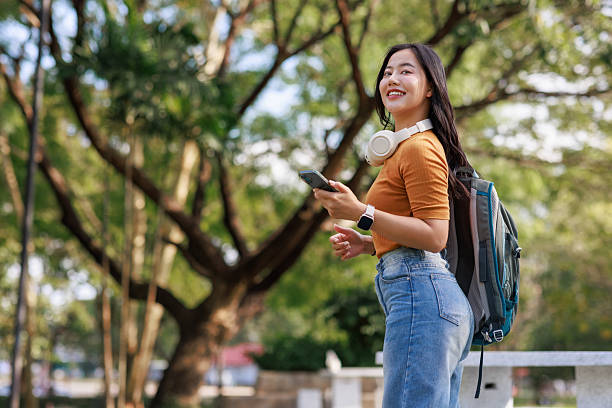
A backpack can feel manageable yet become uncomfortable after several blocks. Shoulder pressure, trapped heat, shifting supplies, and loose straps can distract children during walks to school. The right comfort features help the bag sit securely while allowing natural movement from home to class.
Parents comparing back to school backpacks should examine fit before focusing on prints, colors, or popular designs. Padded straps, a supportive back panel, practical compartments, and a suitable size affect comfort throughout the trip. Each feature should match the child’s frame, school supplies, and walking route.

Shoulder Support That Spreads the Load
Shoulder straps carry much of the bag’s load, so their shape deserves careful attention. Broad, padded straps create a contact area across the shoulders without edges pressing into the skin. Soft padding should feel even from the attachment point to the adjustment section.
Strap Padding and Surface Feel
Press the strap between two fingers to check whether the padding feels consistent and resilient. Thin spots may create concentrated pressure once books, folders, and lunch items fill the main compartment. A smooth inner surface also helps prevent rough seams from rubbing against shirts during repeated steps.
Adjustment Points for a Stable Fit
Adjustable straps help position the backpack close to the child’s upper and middle back. Both sides should have matching lengths so the bag remains centered instead of leaning toward one shoulder. Secure adjusters should hold their chosen position without slipping as the child walks.
Back Panel Comfort During Extended Wear
A padded back panel forms a soft barrier between the child and firm school supplies. It can reduce contact from book corners, device edges, and items that settle near the rear wall. The panel should cover the main contact area without feeling stiff or bulky.
Breathable back panels allow air to move across areas that collect warmth during a long route. This feature can help limit the damp feeling caused by close contact between fabric and clothing. Shaped padding channels may also create small spaces for airflow while supporting an even fit.
Size and Shape for Natural Movement
Quality backpacks, like the sprayground backpacks, should match the child’s torso instead of extending far below the waist. Excess length can interfere with normal steps, while excessive width may restrict arm movement near the sides. A compact shape keeps the load aligned with the body during sidewalks, stairs, and school entrances.
Match Capacity to Daily Items
Capacity should reflect the supplies carried on a normal school day, not occasional oversized loads. Kids’ backpacks need enough room for required items without leaving large empty spaces that allow contents to shift. Checking the bag against folders, lunch containers, and a device helps confirm practical capacity before use.
Organization That Prevents Shifting
Internal compartments keep supplies in defined areas, which helps the load remain steady during movement. A spacious main section can hold books and folders, while smaller pockets separate pencils, chargers, and personal items. Padded device sleeves can also keep a laptop or tablet close to the back panel.
Secure Pockets and Bottle Storage
External bottle pockets keep drink containers upright and away from papers or electronic devices. Their openings should hold the bottle securely without requiring difficult force from small hands. Attachment points can also carry light gear that would otherwise take space inside the main compartment.
Some trending backpacks emphasize bold looks, yet comfort still depends on structure, fit, and useful storage. When comparing back to school backpacks, check that decorative details do not block zippers, strap adjustments, or pocket access. A visually appealing design should still support smooth movement and simple organization.
Materials and Hardware That Support Comfort
Fabric affects how the backpack feels against clothing and how well it handles routine school use. Polyester, nylon, canvas, and synthetic blends appear across backpack selections, each with a distinct texture and structure. Water-resistant materials can help protect supplies during brief exposure to drizzle or damp surfaces.
Zippers, Seams, and Reinforced Areas
Zippers should move smoothly around corners without catching the surrounding fabric. Durable zipper construction supports repeated opening during classes, lunch periods, activities, and the walk home. Reinforced seams near straps and handles also help the bag retain its intended shape under a daily load.
Check the Fit Before a Long Walk
A useful fit check starts after the backpack contains the child’s usual school items. Tighten both straps until the bag rests close to the back without pulling the shoulders backward. The child should walk, turn, bend, and climb several steps while an adult watches for bouncing or leaning.
Comfort Starts With Thoughtful Packing
Comfort features work best when school supplies are packed in stable positions each morning. The American Academy of Pediatrics advises that a child’s backpack should weigh no more than 15% of body weight, so a 100-pound child should carry no more than 15 pounds. Place heavier items close to the back panel and remove unnecessary objects regularly to keep the load manageable.
A comfortable backpack supports steady walking without distracting pressure, heat, or movement. Padded straps, breathable support, practical sizing, secure organization, and reliable hardware create a dependable setup. Careful fitting and sensible packing help those features serve the child throughout each school route.

Finding a Store With Age-Appropriate Backpack Options
Choosing a retailer with age-appropriate backpack options makes it easier to match size, storage, and comfort to a child’s daily school routine. Knowledgeable staff can explain practical features and help narrow choices based on school needs and carrying requirements. This guidance supports a better fit that remains comfortable throughout the school year.
A comfortable backpack combines thoughtful design, proper fit, and organized storage for longer walks. Careful selection helps reduce unnecessary strain while keeping school essentials secure and accessible. Paying attention to these comfort features can support a more comfortable and consistent daily routine.
Published by HOLR Magazine.