


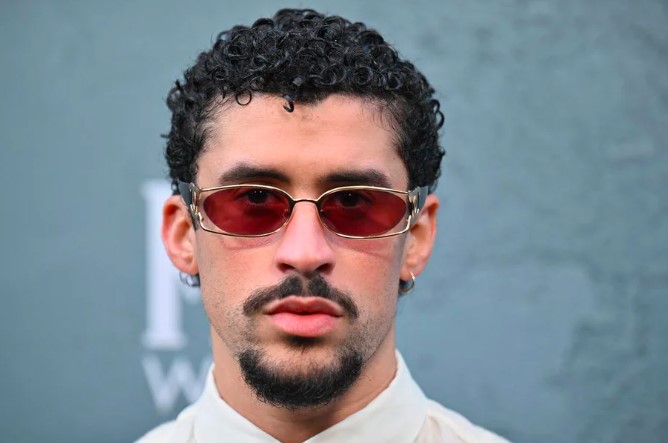
Bad Bunny Faces Legal Trouble Over Alleged Unauthorized Recording
January 9, 2026 — Global music superstar Bad Bunny is facing a major legal challenge after being sued for $16 million over the alleged unauthorized use of a voice recording. The lawsuit claims that a recording featuring a voice was used without proper consent, sparking fresh debate around intellectual property rights, consent, and creative usage in the music industry.
What the Lawsuit Alleges
According to legal filings, the plaintiff alleges that Bad Bunny—or parties working on his behalf—used a voice recording without authorization in a commercial release. The suit argues that the voice was recognizable and used in a way that generated profit, making consent and compensation central issues in the case.
While specific details around how the recording was obtained and used have not been fully disclosed publicly, the $16 million figure reflects what the plaintiff claims are damages tied to misuse, lost earnings, and reputational impact.
HOLR has the latest news as the case quickly gained attention across entertainment and legal circles.
The Legal Stakes for Artists
Cases involving voice recordings are becoming increasingly complex, especially as technology allows voices to be sampled, altered, or reused with ease. Voice, much like image and likeness, is increasingly being treated as protected intellectual property. Legal experts note that even brief or altered voice usage can raise serious concerns if permission was not explicitly granted.
For high-profile artists like Bad Bunny, these disputes can have broader implications, potentially influencing how producers, labels, and collaborators handle clearances moving forward.
Fan Reaction and Industry Response
News of the lawsuit has sparked mixed reactions among fans. While many have rallied behind the artist, urging caution until all facts are known, others see the case as part of a growing reckoning around creator rights and consent in entertainment.
Industry professionals are closely watching the situation, as the outcome could set an important precedent for future disputes involving voice usage, sampling, and recordings—especially in an era where digital manipulation is increasingly common.
HOLR has the latest news as discussions around artist responsibility and legal boundaries continue to trend online.
Bad Bunny’s Career Amid Legal Scrutiny
Despite the lawsuit, Bad Bunny remains one of the most influential figures in global music, with chart-topping releases, sold-out tours, and crossover success across fashion and film. Legal challenges are not uncommon for artists at his level, though they often bring heightened scrutiny and public attention.
At this time, no final judgment has been reached, and all claims remain allegations pending further legal proceedings. Representatives for Bad Bunny have not yet issued a detailed public statement addressing the lawsuit.
What Happens Next
As the case moves forward, both sides are expected to present evidence regarding consent, ownership, and usage rights of the recording in question. The lawsuit underscores a growing need for clarity and caution in how voices are recorded, stored, and reused in modern music production.
For now, the industry—and fans—will be watching closely. The outcome could influence how voice recordings are treated legally, especially for artists operating at the highest levels of fame and commercial success.
Published by HOLR Magazine