


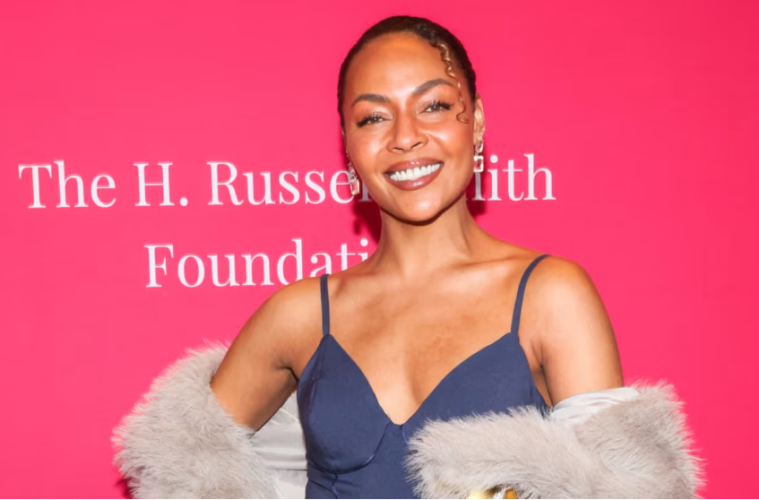
A cruise performance sparks unexpected controversy
Viral moment leads to removal from cruise
A former dance captain associated with Beyoncé has reportedly been removed from a cruise event after performing choreography to the iconic track Single Ladies (Put a Ring on It). The incident has quickly gone viral, raising questions about performance rights, artistic expression, and event regulations.
According to reports, the performance took place during a cruise entertainment segment, where the dancer recreated elements of the globally recognized routine. The situation escalated when organizers intervened, ultimately leading to the individual being asked to leave.

Image Credit: Getty Images
The significance of ‘Single Ladies’
Single Ladies (Put a Ring on It) remains one of the most influential pop songs of its era, known for its instantly recognizable choreography. The routine has been widely replicated across platforms, from professional performances to social media trends.
Its cultural impact is such that even years after its release, it continues to be a reference point in dance and pop culture. This widespread familiarity adds complexity to situations where the choreography is performed in public or commercial settings.
Why the performance became an issue
The reported removal appears to be linked to concerns over licensing and performance rights. Cruise entertainment is typically governed by strict guidelines, particularly when it comes to copyrighted material and choreographed routines associated with major artists.
While fans and performers often view such dances as celebratory tributes, organizers may interpret them through a legal or contractual lens. This difference in perspective can lead to conflicts, as seen in this case.

Image Credit: Getty Images
Beyoncé’s influence on dance culture
Beyoncé has played a significant role in shaping modern dance culture. Her performances often feature highly stylized choreography that becomes deeply embedded in popular culture.
The routine from Single Ladies is a prime example, having influenced countless dancers and creators. Its global reach underscores how certain performances transcend their original context, becoming part of a shared cultural language.
Public reaction and social media buzz
The incident has sparked widespread discussion online, with many expressing surprise at the severity of the response. Supporters of the dancer argue that the performance was a form of homage rather than infringement, while others acknowledge the complexities of intellectual property in commercial settings.
Social media has amplified the story, turning it into a broader conversation about the boundaries between tribute and unauthorized use.

Image Credit: Kevin Winter/Getty Images
The intersection of art and regulation
This situation highlights the ongoing tension between artistic expression and regulatory frameworks. Performers often draw inspiration from well-known works, but commercial environments introduce additional considerations, including licensing agreements and contractual obligations.
Balancing these factors can be challenging, particularly when dealing with material that is both widely recognized and legally protected.
Cruise entertainment policies under scrutiny
Cruise lines typically operate under detailed entertainment policies designed to manage performances and protect intellectual property. These policies may not always align with public expectations, especially when they restrict performances that are widely seen as cultural staples.
The incident has brought renewed attention to how these rules are applied and whether they adequately reflect the realities of modern entertainment.

Image Credit: Getty Images
A broader conversation about creative ownership
At its core, the controversy raises questions about creative ownership and how it is enforced. As content becomes more accessible and shareable, the boundaries between original work and reinterpretation continue to evolve.
Situations like this illustrate the challenges of navigating those boundaries, particularly in settings where legal and creative considerations intersect.
Final Thoughts
The removal of a former dance captain linked to Beyoncé over a performance of Single Ladies (Put a Ring on It) underscores the complex relationship between cultural influence and legal frameworks. What may appear as a tribute can, in certain contexts, raise questions about rights and regulations.
As the conversation continues, the incident serves as a reminder of the evolving dynamics between creativity, ownership, and performance in today’s entertainment landscape.
FAQs
Q1: What happened on the cruise?
A former dance captain was removed after performing choreography to “Single Ladies.”
Q2: Why was the performance an issue?
It was reportedly related to licensing and performance rights concerns.
Q3: What is ‘Single Ladies’ known for?
It is famous for its iconic choreography and global cultural impact.
Q4: How have people reacted?
Reactions have been mixed, with both support and criticism.
Q5: What does this incident highlight?
It raises questions about artistic expression and intellectual property rules.
Published by HOLR Magazine