


Lower-than-expected turnout raises questions about comeback momentum
Market Reaction Follows BTS Comeback Event
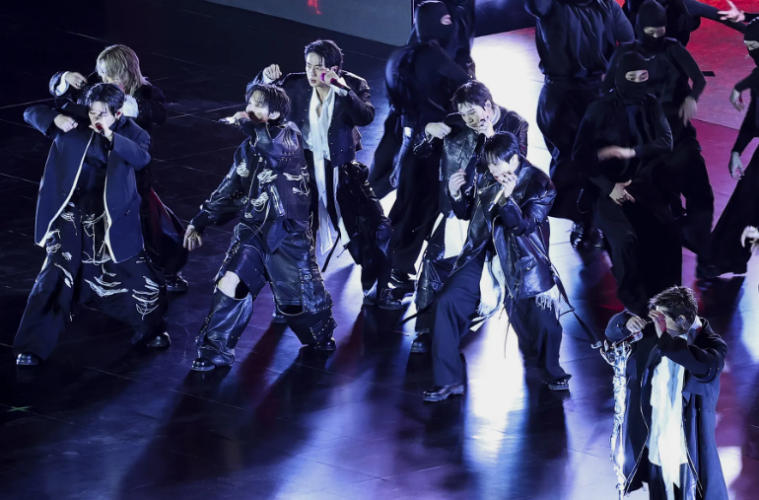
March 23, 2026 – BTS’s highly anticipated comeback has hit an unexpected hurdle, as shares of their agency HYBE reportedly declined following a turnout that fell short of expectations. The event, which was meant to mark a major moment for both the group and the company, has instead sparked conversations about performance metrics, fan engagement, and market sensitivity. In the K-pop industry—where success is often measured in real time—such reactions can carry significant financial implications.
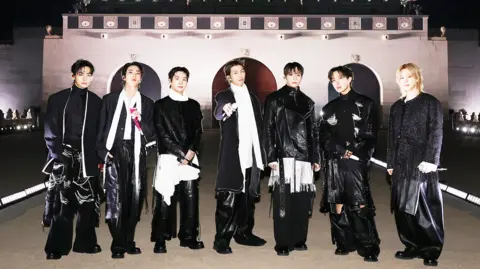
Image Credit: Reuters
Expectations vs Reality at the Comeback Show
BTS’s return generated enormous anticipation, with fans and industry observers expecting a strong showing both in attendance and overall impact. However, reports suggest that turnout at the comeback event did not meet projected levels. While still drawing considerable attention, the perceived gap between expectations and reality has become the central narrative, influencing both public perception and investor confidence.
Why HYBE Shares Were Affected
The drop in HYBE’s share price highlights how closely tied K-pop agencies are to the performance of their flagship artists. BTS has long been the company’s most valuable asset, driving revenue through music, tours, and brand partnerships. When a key event underperforms—even slightly—it can trigger immediate market reactions. Investors often respond not just to actual results but to expectations, making perception a powerful factor in financial outcomes.

Image Credit: Getty Images
The Pressure of a Global Comeback
For a group of BTS’s stature, comebacks are not just musical releases—they are global events. The pressure to meet or exceed expectations is immense, particularly after periods of reduced group activity due to individual projects or mandatory service commitments. This comeback carried additional weight, as it was seen as a moment to reaffirm the group’s dominance in the global music landscape.
Fan Engagement in a Changing Industry
The turnout issue also raises questions about evolving fan engagement. The K-pop industry has undergone significant changes in recent years, with digital platforms playing an increasingly central role. While physical attendance remains important, fan interaction now extends across streaming, social media, and virtual events. A single metric, such as event turnout, may not fully capture the scope of BTS’s global influence.

Image Credit: Getty Images
Market Sensitivity to K-pop Performance
The reaction from the stock market underscores how sensitive K-pop agencies are to performance indicators. Unlike many entertainment sectors, where results may take time to materialize, K-pop operates on a rapid feedback loop. Investor sentiment can shift quickly based on immediate data points, making even minor deviations from expectations significant.
A Temporary Setback or Larger Signal?
It remains unclear whether this development represents a temporary fluctuation or a broader trend. BTS’s long-standing success and global fan base suggest strong underlying stability. However, the situation highlights the challenges of maintaining momentum at the highest level of the industry, where expectations continue to rise with each release.

Image Credit: Getty Images
Looking Ahead for BTS and HYBE
Moving forward, both BTS and HYBE are likely to focus on sustaining engagement through multiple channels. Future performances, releases, and promotional strategies will play a key role in shaping the narrative around this comeback. The ability to adapt to changing audience behaviors will be crucial in maintaining their position at the top of the industry.
Final Thoughts
The reported drop in HYBE shares following BTS’s comeback event illustrates the complex relationship between performance, perception, and market response in the K-pop industry. While the turnout may not have met expectations, it represents just one moment in a much larger trajectory for both the group and their agency. As the situation evolves, it serves as a reminder that even the most successful acts must navigate shifting dynamics in both fan engagement and financial markets.
FAQs
Q1: Why did HYBE shares drop?
Shares reportedly declined after the BTS comeback show turnout fell short of expectations.
Q2: What is HYBE?
HYBE is the entertainment company behind BTS.
Q3: Does this mean BTS is losing popularity?
Not necessarily, as they still maintain a massive global fan base.
Q4: Why is turnout important?
It is often seen as a key indicator of fan engagement and demand.
Q5: What happens next?
Future performances and releases will likely shape the ongoing narrative.
Published by HOLR Magazine