


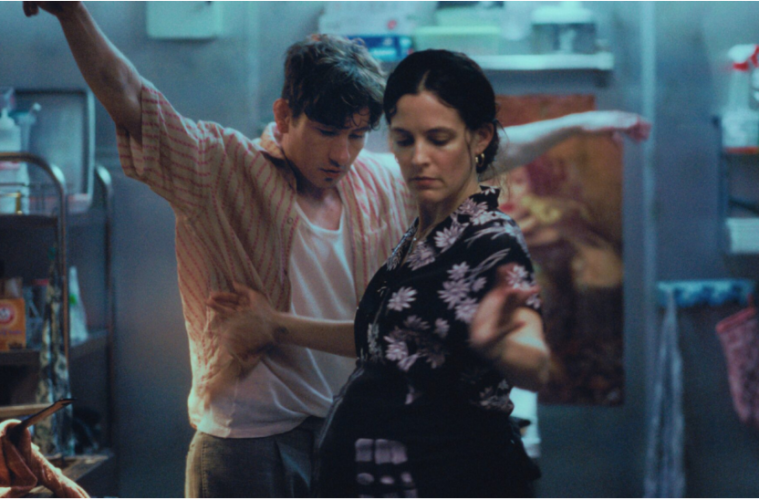
Barry Keoghan and Riley Keough deliver layered performances in Butterfly Jam, a slow-burning cultural drama premiering at Cannes.
Butterfly Jam Explores Identity Through an Unusual Lens
May 14, 2026 – Butterfly Jam arrives at the Cannes Film Festival as one of the more intimate and unconventional dramas in this year’s lineup. Directed by Kantemir Balagov, the film follows a New Jersey-based Circassian immigrant community through the eyes of emotionally fractured outsiders played by Barry Keoghan and Riley Keough.
The film marks Balagov’s long-awaited English-language debut after gaining international recognition for acclaimed Russian-language dramas Beanpole and Closeness. With Butterfly Jam, the filmmaker shifts his focus toward themes of displacement, inherited trauma, cultural preservation, and emotional isolation.
Although visually absorbing and emotionally textured, the film’s deliberately wandering structure may divide audiences expecting a more traditional narrative experience.
Credit: Goodfellas
Barry Keoghan Delivers Another Intensely Internal Performance
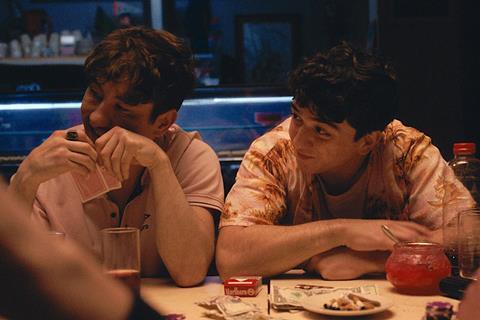
Barry Keoghan plays a troubled drifter who becomes increasingly immersed within the tightly knit Circassian community after arriving in northern New Jersey under mysterious circumstances. As with many of Keoghan’s strongest performances, much of the emotional weight comes not from dialogue but from physical presence and subtle behavioral detail.
The actor’s restrained approach works particularly well in Balagov’s observational style. Keoghan often appears emotionally disconnected from the people around him, yet the film gradually reveals how deeply he longs for belonging and identity.
Rather than building toward dramatic revelations, Butterfly Jam allows Keoghan’s character development to emerge slowly through interactions, silences, and fragmented emotional moments.
Riley Keough Brings Emotional Stability to the Story
Riley Keough provides an important counterbalance to Keoghan’s more unstable energy. Her performance feels grounded, emotionally intelligent, and quietly heartbreaking throughout the film.
Keough portrays a woman deeply connected to her community yet increasingly conflicted about the expectations placed upon her within it. The actress avoids melodrama entirely, instead relying on subtle emotional shifts and understated vulnerability.
Much of the film’s strongest material involves scenes between Keough and older members of the Circassian community, where generational tensions around tradition, assimilation, and identity emerge naturally without heavy exposition.
The chemistry between Keough and Keoghan also helps anchor the film even when the pacing becomes uneven.
The Circassian Community Becomes the Film’s Emotional Core
One of Butterfly Jam’s most compelling achievements is its depiction of the Circassian diaspora community in New Jersey. Circassians, an ethnic group originally from the Caucasus region, have rarely been explored in mainstream cinema, giving the film a distinctive cultural perspective.
Balagov treats the community with visible care and authenticity, emphasizing rituals, language, family structures, and collective memory. Rather than reducing the setting to exotic backdrop material, the film presents the community as fully lived-in and emotionally complex.
Several nonprofessional supporting actors reportedly come directly from Circassian backgrounds, contributing to the film’s naturalistic atmosphere and cultural specificity.
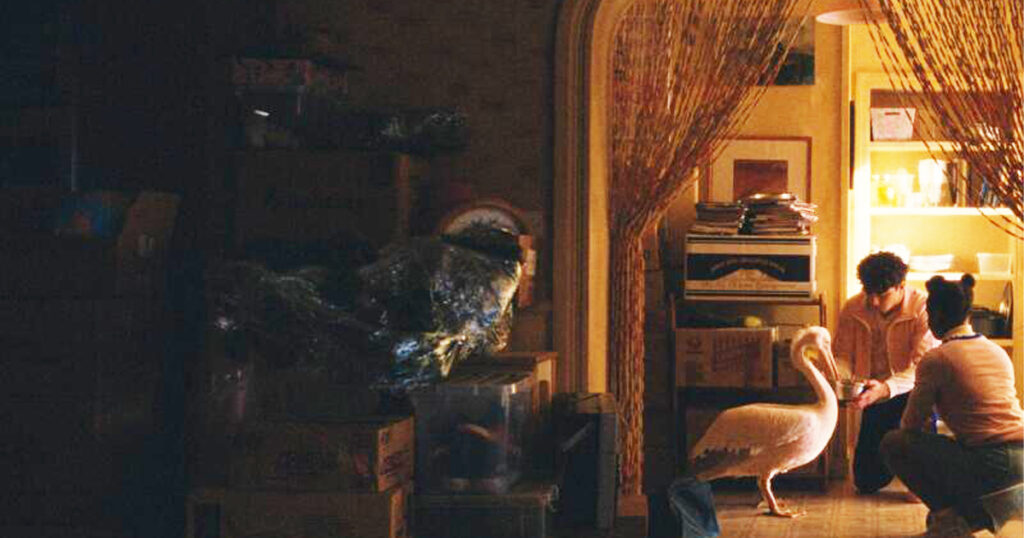
That authenticity becomes one of Butterfly Jam’s greatest strengths, particularly during quieter domestic scenes where the community’s traditions and emotional tensions quietly unfold.
Credit: Goodfellas
Cannes Audiences Praised the Film’s Visual Style
Visually, Butterfly Jam reflects many of the stylistic qualities associated with Balagov’s earlier work. Cinematographer Kseniya Sereda creates a muted yet deeply textured visual palette filled with cramped interiors, soft lighting, and emotionally loaded close-ups.
The film frequently prioritizes atmosphere over plot momentum, allowing scenes to breathe long past conventional editing rhythms. For some viewers, that meditative pace enhances the emotional immersion. For others, it may feel frustratingly meandering.
Still, few critics seem to dispute the film’s technical confidence. Many early Cannes reactions highlighted the direction, cinematography, and performances as major strengths even among viewers who struggled with the pacing.
The Narrative Sometimes Loses Momentum
Despite its strengths, Butterfly Jam occasionally suffers from structural looseness. The film drifts between emotional vignettes, cultural observation, and character study without always maintaining narrative tension.
Several subplots appear underdeveloped or abandoned entirely, leaving parts of the story feeling emotionally unresolved rather than intentionally ambiguous. At nearly two and a half hours long, the film also tests patience during its quieter stretches.
Balagov’s refusal to simplify emotional complexity remains admirable, but the film sometimes mistakes emotional subtlety for narrative withholding. Certain scenes feel more observational than dramatically necessary.
Even so, viewers willing to engage with the film on its own terms may find the experience deeply rewarding despite the pacing issues.
Balagov Continues Exploring Trauma and Isolation
Fans familiar with Balagov’s earlier films will recognize many recurring thematic concerns in Butterfly Jam. Like Beanpole and Closeness, the new drama examines emotional repression, inherited trauma, and the complicated relationship between personal identity and collective community expectations.
What changes here is the setting and language rather than the emotional sensibility. Balagov remains fascinated by people trapped between emotional loyalty and personal freedom.
That thematic consistency gives Butterfly Jam a sense of artistic continuity even as the filmmaker transitions into English-language cinema for the first time.

Credit: Wireimage
Awards Attention Could Follow the Performances
Although Butterfly Jam may not emerge as one of Cannes’ most broadly accessible titles, performances from Keoghan and Keough are already attracting early awards conversation.
Keoghan continues building a reputation as one of the most unpredictable and emotionally fearless actors of his generation, while Keough once again demonstrates remarkable control and understated emotional precision.
The film itself may divide critics overall, but both actors appear likely to receive substantial praise throughout festival season.
Final Thoughts
Butterfly Jam is an absorbing, emotionally intelligent drama that prioritizes atmosphere, identity, and cultural texture over conventional storytelling momentum. While its meandering structure occasionally weakens narrative engagement, Barry Keoghan and Riley Keough deliver deeply compelling performances that help sustain the film’s emotional resonance. Kantemir Balagov’s English-language debut may challenge mainstream audiences with its pacing, but its authenticity, visual confidence, and emotional complexity make it one of Cannes’ more quietly memorable entries.
FAQs
Q1. What is Butterfly Jam about?
The film explores identity, trauma, and belonging within a Circassian immigrant community in New Jersey.
Q2. Who stars in Butterfly Jam?
The movie stars Barry Keoghan and Riley Keough in the lead roles.
Q3. Who directed Butterfly Jam?
The film was directed by acclaimed filmmaker Kantemir Balagov.
Q4. What is the Circassian community?
Circassians are an ethnic group originally from the Caucasus region with diaspora communities around the world.
Q5. How has Butterfly Jam been received?
Early Cannes reactions have praised the performances and visuals, though some critics noted the film’s slow pacing and loose structure.
Published by HOLR Magazine