


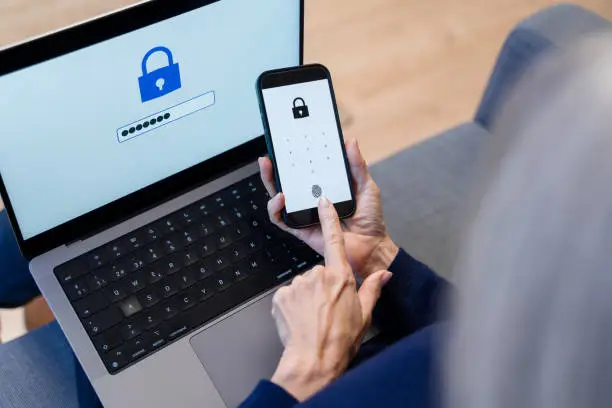
Your digital life is just as real as your physical one. You spend hours every day browsing, shopping, and working online. This makes your personal data a valuable target for people with bad intentions.
Building good habits can protect your privacy without making life difficult. It only takes a few small changes to keep your information safe from prying eyes. Thinking about your security now will prevent massive headaches in the future.
Clean Up Accounts
Old accounts you no longer use are a major security risk. Knowing how to prevent identity theft is the first step toward a safer digital footprint. You should close any profiles that are just sitting empty on the web.
Hackers love to find weak spots in old, unmonitored websites. If they get into one old account, they might find clues to your current passwords. Scrubbing your history keeps your profile lean and secure.
Finding these accounts is easier than you think. Search your email for the word “welcome” to see which services you signed up for years ago. Deleting these old profiles is a quick win for your safety – it leaves less data for thieves to find.
Watch For Breaches
Data breaches happen to even the largest companies in the world. One online report suggested that these incidents can result in your personal data leaking out onto the internet without you even knowing it. Checking for your email on breach notification sites helps you stay informed.
When a company loses your data, you must act fast. Change your password for that site and any other site where you used the same code. Speed is your best friend when your details are floating around the dark web.
You can set up alerts to tell you when your info appears in a new leak. These tools give you peace of mind while you browse. Monitoring your data is a core part of modern digital hygiene.
Double Your Defense
Using extra tools for your logins makes a huge difference in your safety. A cybersecurity blog noted that strong digital hygiene includes using multi-factor authentication to greatly reduce your risk. This second step stops most hackers, even if they have your password.
It only takes a second to enter a code from your phone or an app. This small act builds a powerful wall around your sensitive files and bank accounts. Most major apps have this feature ready to turn on in the settings menu.
Using a password manager is another smart move for your defense. These apps create long, random codes for every site you visit. You only have to remember one master key to stay safe everywhere.
Manage Your Mail
Security is not just about what happens on your computer screen. A legal resource explained that stopping pre-approved credit card offers removes a tempting target for mail thieves. These physical papers contain enough info for a criminal to start a fraudulent account.
- Shred all documents with your name and address.
- Opt out of marketing mailers to keep your mailbox empty.
- Pick up your mail every day so it does not sit outside.
Taking these steps protects you from people digging through your trash for info. It is a simple habit that has a big impact on your privacy. Physical security and digital security go hand in hand.
Public Wi-Fi Care
Using free internet at a cafe or airport is convenient but risky. These networks are often not encrypted, which means others can see what you are doing. Avoid logging into your bank or typing in credit card numbers on public Wi-Fi.
If you must work in public, use a cellular hotspot instead. This creates a private connection that is much harder for strangers to intercept. It keeps your work data and personal chats safe from prying eyes.
Many phones have settings that prevent them from joining open networks automatically. Turn this feature on to prevent your device from connecting to a bad signal. Staying in control of your connection is a key part of staying safe.
App Permissions
Take a look at what the apps on your phone can see and do. Many apps ask for access to your location, camera, or contacts when they do not need them. Reviewing these permissions once a month keeps your privacy under your control.
Delete any apps that you have not opened in the last 90 days. These programs often run in the background and collect data about your habits. A clean phone is a much more secure phone.
Check for software updates for your apps and your phone every week. These updates often fix security holes that hackers use to get into your system. Staying current is one of the easiest ways to protect yourself.
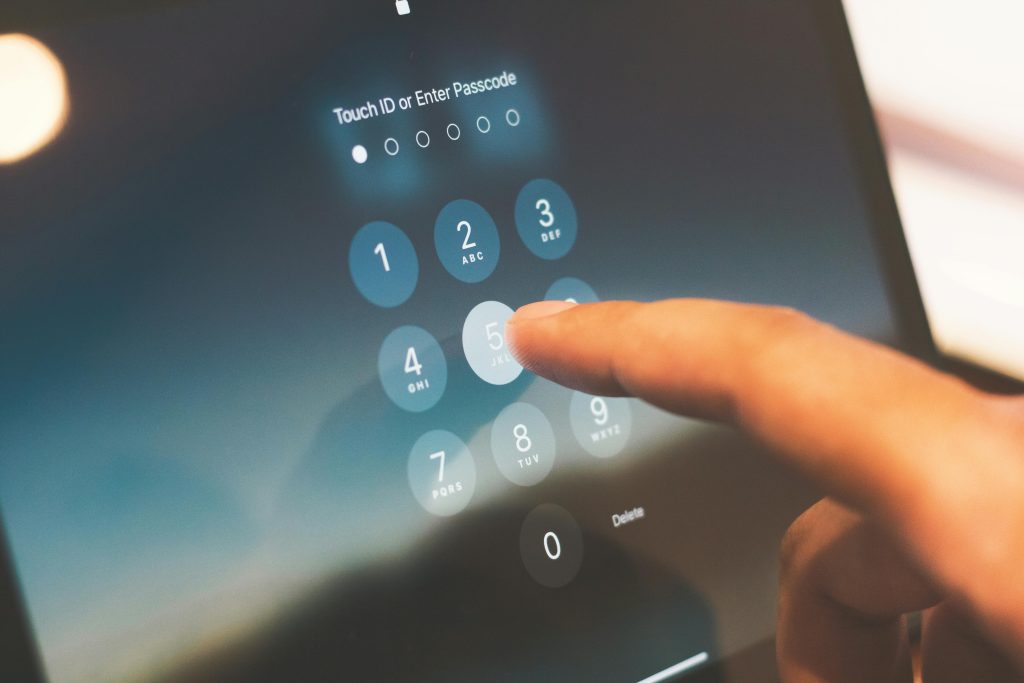
Managing your digital hygiene is a simple way to stay safe in a connected world. You do not need to be a tech expert to follow these steps. Consistency is the most powerful tool you have for staying secure.
Make a habit of checking your settings and accounts once a month. This keeps your online presence tidy and reduces the chance of any surprises. Safe browsing makes your time on the internet much more enjoyable.
Published by HOLR Magazine.