


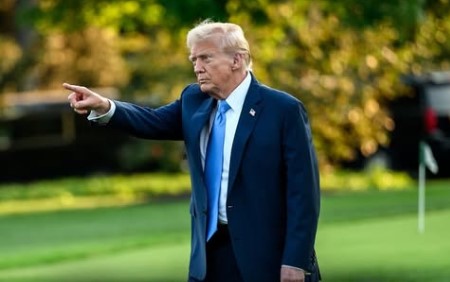
January 25, 2026 — Donald Trump has made it clear he will not be attending this year’s Super Bowl, while also sharply criticizing the decision to book Bad Bunny and Green Day as part of the event’s entertainment lineup. In recent remarks, Trump labeled the musical choices a “terrible choice,” reigniting debate around politics, pop culture, and the NFL’s biggest night.
His comments quickly made headlines, adding another layer of controversy to an event that already draws massive attention beyond the game itself.
Skipping the Biggest Night in Sports
Trump’s decision not to attend the Super Bowl marks a departure from tradition, as former presidents and political figures often make appearances at major national events. While he did not cite scheduling conflicts, his remarks suggested dissatisfaction with the event’s overall direction—particularly its entertainment programming.
The Super Bowl, long positioned as a unifying cultural moment, has increasingly become a platform for broader social and political conversations, something Trump has frequently criticized in the past.
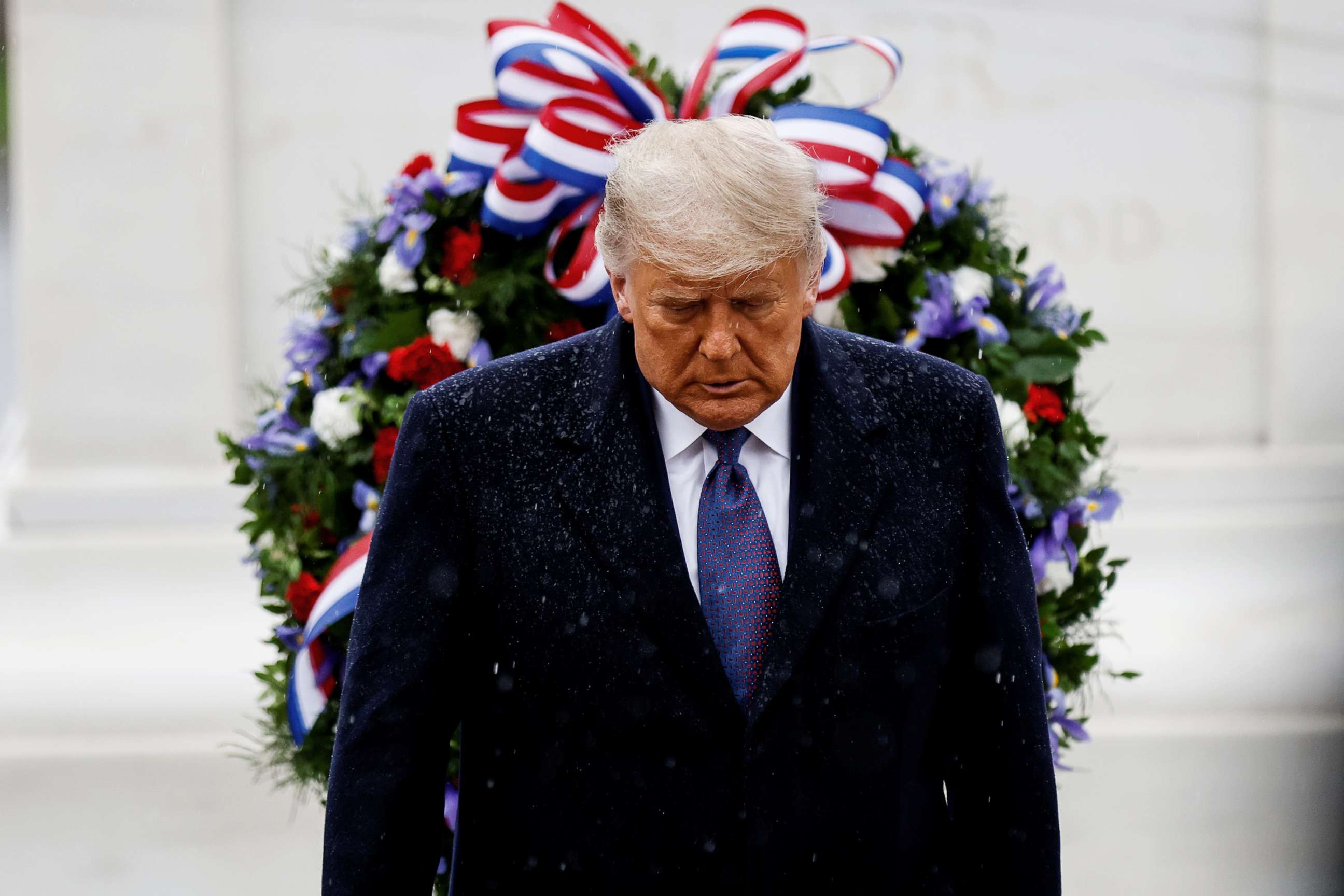
Image Credit: Reuters
Calling Out the Halftime Entertainment
At the center of Trump’s criticism was the decision to spotlight Bad Bunny and Green Day, two globally recognized acts with very different musical identities. Trump argued that the performers do not reflect what he believes the Super Bowl audience wants, framing the booking as out of touch with traditional fans.
Bad Bunny, one of the most influential artists in the world, has dominated charts and global tours, while Green Day remains a defining band of modern rock with decades of cultural impact. Despite their popularity, Trump’s remarks framed their inclusion as emblematic of what he sees as a broader cultural shift he opposes.
Image Credit: Reddit
Artists With Cultural Weight
Both Bad Bunny and Green Day are known not only for their music but also for their outspoken views and cultural influence. Green Day, in particular, has a long history of political commentary embedded in its lyrics, while Bad Bunny has used his platform to address social issues and identity.
Their involvement in the Super Bowl entertainment lineup has been celebrated by many fans as reflective of the NFL’s attempt to appeal to diverse, global audiences—making Trump’s criticism unsurprising to observers familiar with his past commentary on pop culture.
.png?crop=900,600,x0,y0&trim=0,0,0,0&width=1200)
Image Credit: The Independent
Reaction Across Social Media
Trump’s comments sparked immediate reaction online. Supporters echoed his criticism, agreeing that the Super Bowl should prioritize more traditional entertainment. Meanwhile, fans of both artists pushed back, defending the performers’ relevance and pointing to their massive followings and cultural reach.
Social media quickly filled with debates over what the Super Bowl halftime show should represent: nostalgia, mainstream appeal, or a reflection of current global music trends.
Politics and the Super Bowl, Once Again
The intersection of politics and the Super Bowl is nothing new, but Trump’s remarks underscore how deeply intertwined the two have become. From halftime performances to commercials and player activism, the event consistently extends beyond football.
By opting out of attending and publicly criticizing the performers, Trump inserted himself into that conversation—ensuring his absence would be nearly as talked about as the game itself.
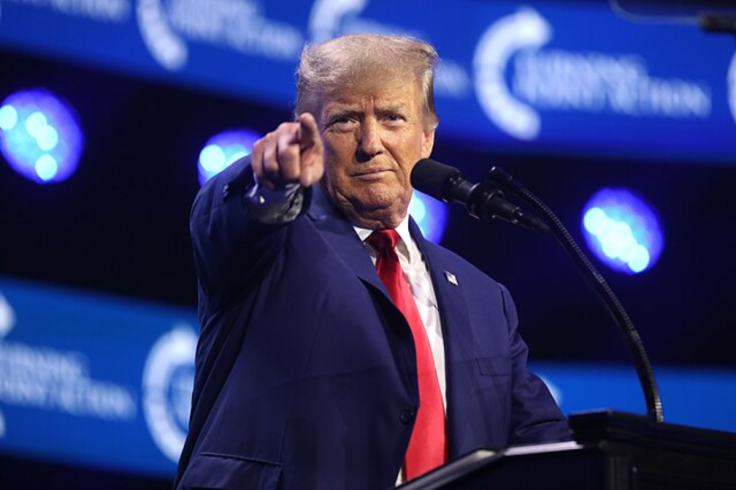
Image Credit: International Business Times
A Headline-Making Absence
Whether fans agree or disagree with Trump’s assessment, his decision not to attend—and his blunt criticism—adds another layer of intrigue to Super Bowl week. The event is set to move forward with its star-studded entertainment regardless, while Trump’s comments continue to fuel discussion across political and pop culture circles.
As kickoff approaches, one thing is certain: even without being in the stadium, Donald Trump has once again found a way to be part of the Super Bowl conversation.
Published by HOLR Magazine