


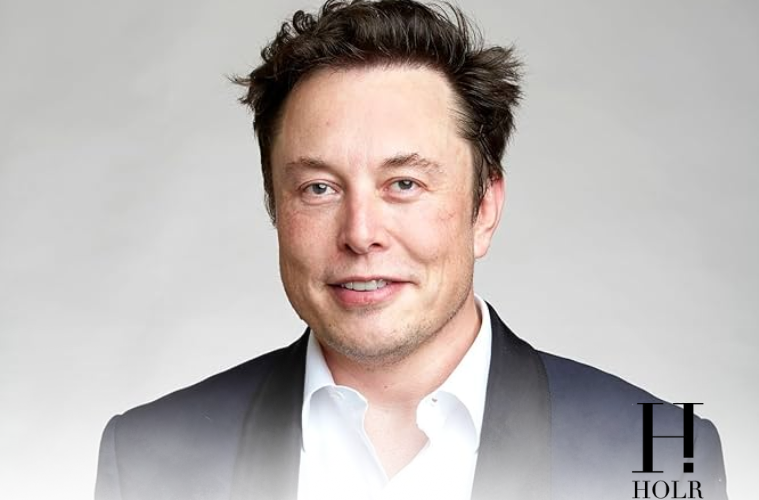
xAI Says It Will Build AI for Tesla Optimus Amid Legal Scrutiny
January 9, 2026 — Elon Musk’s artificial intelligence company, xAI, has reportedly told investors that it plans to develop artificial intelligence systems for Tesla’s humanoid robot, Optimus. The revelation comes at a sensitive time, as Musk faces a breach of fiduciary duty lawsuit tied to his expanding network of companies and overlapping leadership roles.
What xAI Told Investors
According to investor discussions, xAI outlined ambitions to play a central role in powering Tesla Optimus with advanced AI capabilities. The humanoid robot, which Tesla has positioned as a future workforce solution, relies heavily on sophisticated machine learning, perception, and decision-making systems.
By integrating xAI’s technology, Musk appears to be reinforcing a broader vision where his companies collaborate to accelerate AI-driven innovation. Supporters argue this approach maximizes efficiency and expertise across Musk-led ventures.
HOLR has the latest news as the disclosure immediately drew attention from both investors and legal analysts.
Image credit; logos-world
Why Tesla Optimus Matters
Tesla Optimus has been promoted as a potential game changer in robotics, designed to handle repetitive or dangerous tasks in industrial and domestic environments. While still in development, the robot represents one of Tesla’s most ambitious long-term bets beyond electric vehicles.
AI is central to Optimus’ success. From navigation to object recognition, the robot’s performance depends on continuous learning systems—making xAI’s involvement a strategically significant move.

Image credit; wikipedia
The Fiduciary Duty Lawsuit Explained
The announcement arrives amid a breach of fiduciary duty lawsuit alleging that Musk may be prioritizing certain companies at the expense of others where he holds leadership responsibilities. Critics argue that sharing resources, talent, or proprietary technology between Musk-led entities could raise conflicts of interest.
Legal experts note that fiduciary duty cases often hinge on whether decisions were made in the best interest of shareholders. The involvement of xAI in Tesla’s robotics efforts could become a focal point as the lawsuit progresses.
HOLR has the latest news as questions continue to surface around corporate governance and transparency.
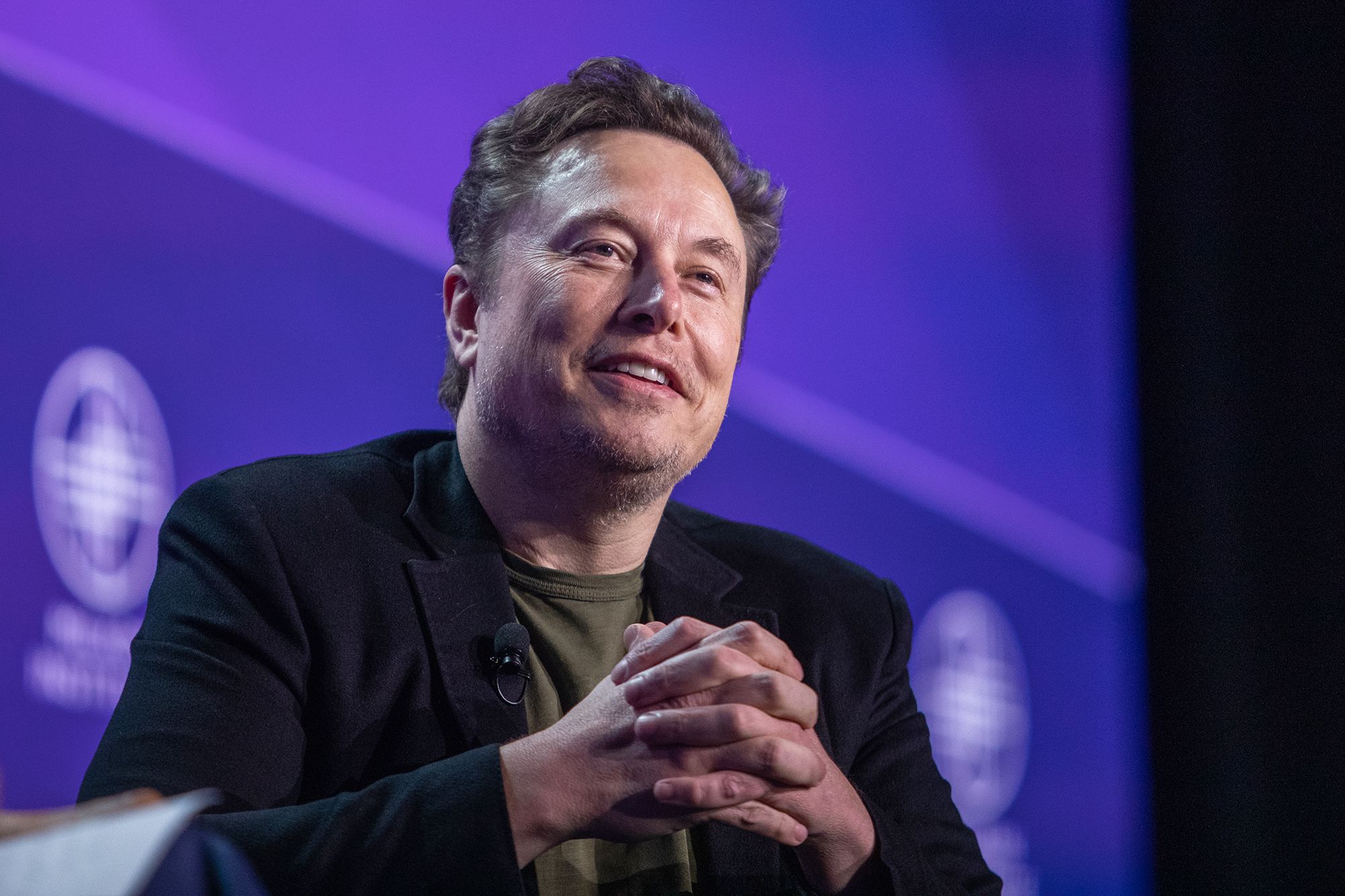
Image credit; CNN
Investor and Industry Reaction
Investor response has been mixed. Some view the collaboration as a logical extension of Musk’s integrated tech ecosystem, believing it could accelerate innovation and strengthen Tesla’s competitive edge. Others express concern about blurred boundaries between companies and potential legal exposure.
Within the tech industry, the move highlights a growing trend: AI companies increasingly positioning themselves as foundational infrastructure across multiple sectors, including robotics, automotive, and automation.
What This Means for the Future of AI and Robotics
If xAI successfully contributes to Tesla Optimus, it could fast-track the robot’s development and reinforce Musk’s influence across the AI landscape. However, the legal challenges add complexity, potentially shaping how such collaborations are structured moving forward.
Regulators, courts, and shareholders will likely scrutinize the arrangement closely, especially as AI becomes more deeply embedded in high-stakes commercial products.
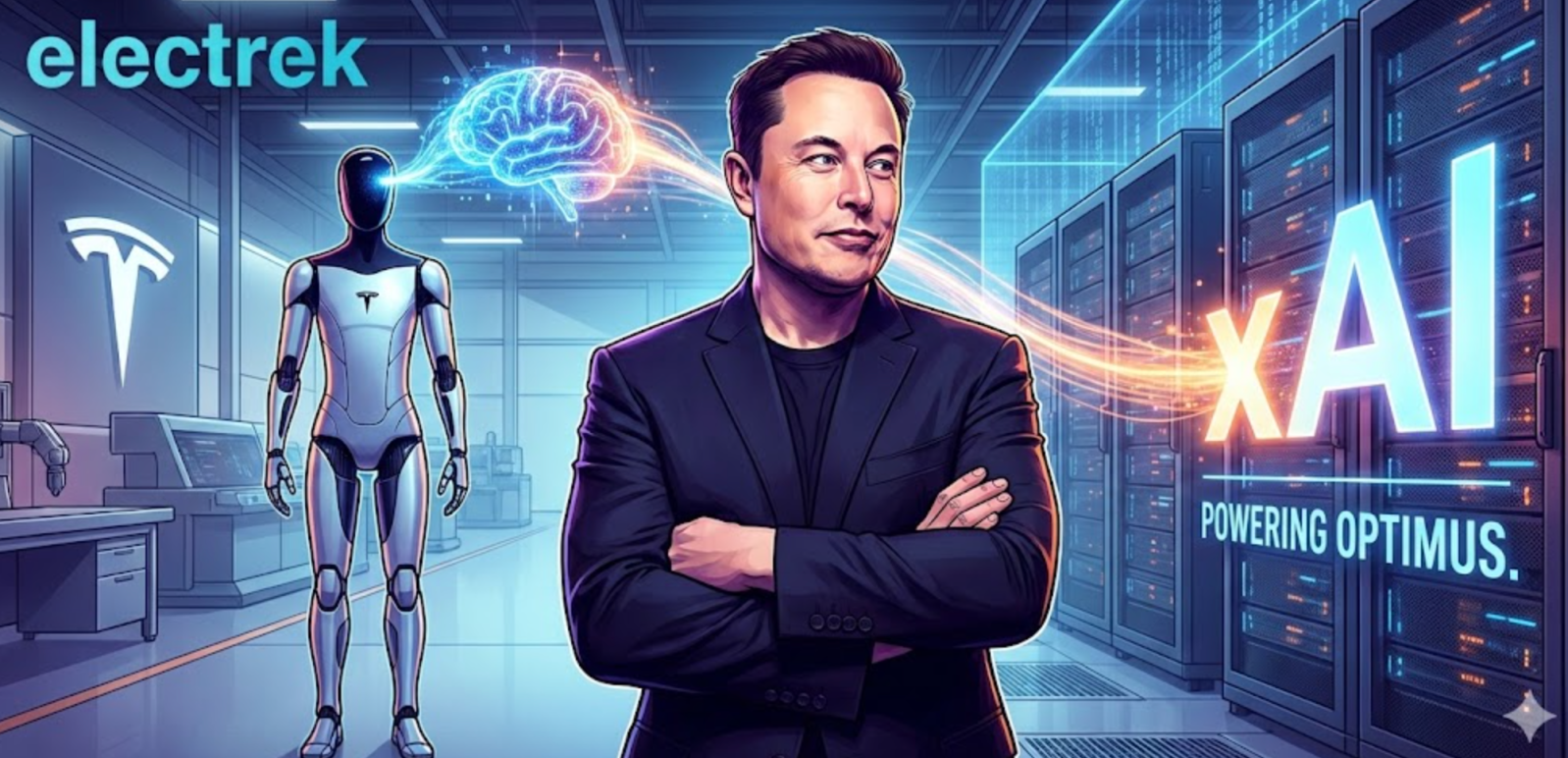
Image credit; Electrek
Looking Ahead
As xAI pushes forward with its ambitions and Tesla continues refining Optimus, the intersection of innovation and legal accountability will remain under the spotlight. Whether this strategy strengthens Musk’s ecosystem—or complicates it further—will depend on how both the technology and the lawsuit unfold.
For now, one thing is clear: Elon Musk’s vision for AI-driven robotics is accelerating, even as legal pressures continue to mount.
Published by HOLR Magazine