


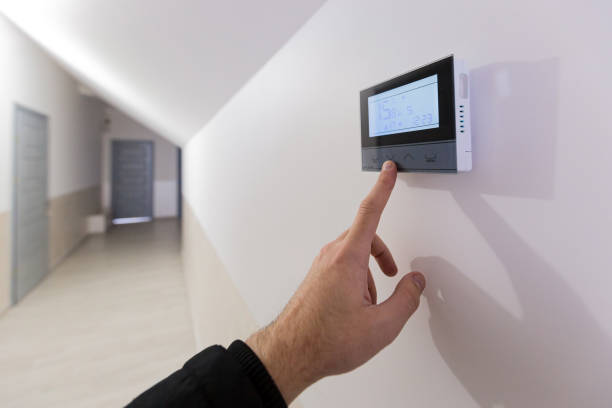
Keeping your home cool during a hot summer requires a system that runs at peak performance. Most homeowners only think about their cooling unit when it stops blowing cold air. Routine checks prevent those sudden breakdowns and keep monthly utility bills lower.
Taking care of your equipment extends its life and protects your comfort. Simple chores handled throughout the year make a massive difference in how well the machine functions. Small steps now prevent expensive repairs later when the heat is at its worst.
Monthly Air Filter Care
The air filter is the most frequent item on any maintenance list. Dust and pet hair clog these screens quickly during the summer months. A recent article noted that the EPA suggests checking your filter every month and replacing it at least every three months.
Clean filters allow air to move through the house without forcing the motor to work harder. When the path is clear, the system stays quiet and runs for shorter cycles. Keeping a stock of new filters in the garage makes it easy to swap them out as soon as they look grey.
Outdoor Unit Clearance
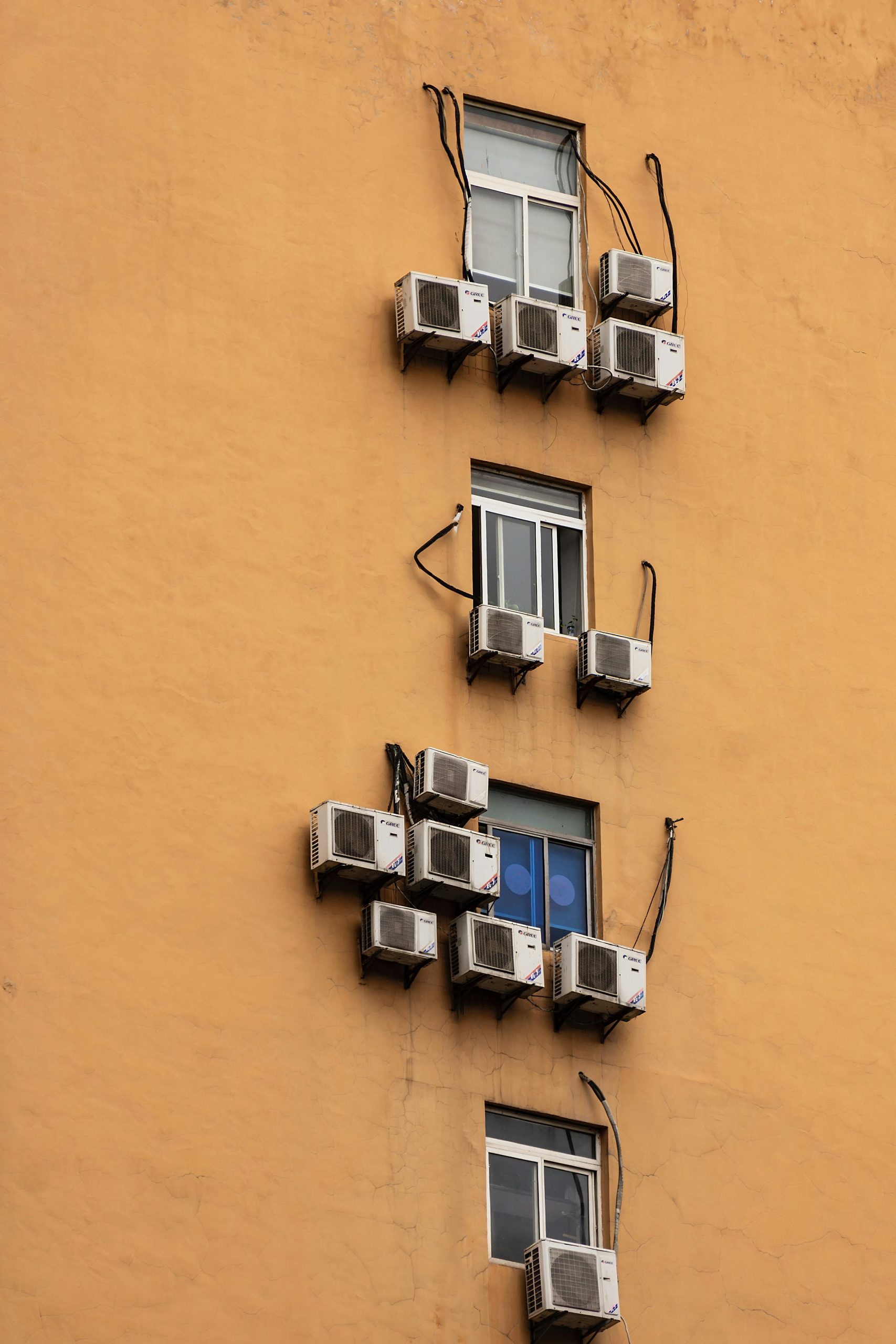
The outdoor condenser needs plenty of space to breathe. Plants, tall grass, and fallen leaves often crowd the metal fins. Improving system efficiency is possible by ensuring optimal airflow and reducing the energy required to cool your home, according to one manufacturer.
Clear a 2-foot space around the entire unit. Use a garden hose to gently wash away dirt or pollen that has stuck to the sides. Avoid using a high-pressure setting, as this can bend the delicate metal parts.
Professional Inspection Benefits
Some tasks require specialized tools and training to complete safely. Hiring experts for HVAC services helps catch tiny cracks or leaks before they ruin the compressor. This maintenance allows technicians to catch issues early, saving you money and avoiding failures, as shared by a regional cooling firm.
A technician can check refrigerant levels and test the electrical connections. These pros see things that a homeowner might miss during a quick visual check. Scheduling this visit in the spring ensures you are ready before the first heatwave hits.
Efficiency and Cost Savings
Running a neglected system is expensive for any household. Parts that rub together without proper care create heat and friction. An industry report stated that annual servicing can trigger energy savings ranging from 5% to 20% for most organizations.
Lowering the strain on the machine keeps more money in your pocket. Systems that run smoothly do not need to cycle on and off as often. This consistency creates a more comfortable environment in every room of the house.
Clearing the Condensate Drain
Air conditioners pull moisture out of the air as they cool the rooms. This water travels through a small plastic pipe to the outside of the home. One maintenance guide suggests flushing the line with warm water and vinegar to keep it clear of slime or mold.
If this pipe gets blocked, water can back up into the house. This leads to floor damage or mold growth behind the walls. Checking the exit point of the drain line ensures water is flowing away from the foundation.
Checking Moving Parts
The motor and fan inside the unit spin thousands of times each day. These components need to stay slick to avoid burning out. A facility management blog suggests confirming that all moving air conditioner parts are sufficiently lubricated to reduce friction and wear.
- Check fan blades for any wobbling or balance issues.
- Listen for squealing sounds that indicate a belt is slipping.
- Look for signs of oil leaks near the motor housing.
- Tighten any screws that have vibrated loose over time.
Lubrication prevents the metal from grinding down. Most modern motors are sealed, but older models might have small ports for adding a few drops of oil. Always turn off the power at the breaker before touching any internal parts.
Ductwork and Airflow Quality
The air in your home travels through a network of hidden tunnels. If these paths are dusty, the air you breathe will be of low quality. Duct cleaning performed by a certified technician removes debris and improves airflow, a local service provider explained recently.
Leaky ducts are another common problem that wastes cool air. If there are holes in the metal, you are paying to cool the attic or the crawlspace. Sealing these gaps helps the cold air reach the bedrooms where it belongs.
Long Term System Longevity
Buying a new cooling system is a major investment for any family. You want that machine to last as long as possible. A well-maintained system can last up to 15-20 years, while a neglected one might require replacement within a decade, according to a technical learning center.
Proper care doubles the life of the equipment in many cases. It prevents the “death by a thousand cuts” where multiple small parts fail at once. Taking twenty minutes a month for basic checks adds years of service to the unit.

Staying on top of these chores keeps the air smelling fresh and the house feeling crisp. A little effort every few weeks prevents the headache of a broken unit in July. Consistent care is the best way to protect your wallet and your comfort all year long.
Published by HOLR Magazine.