


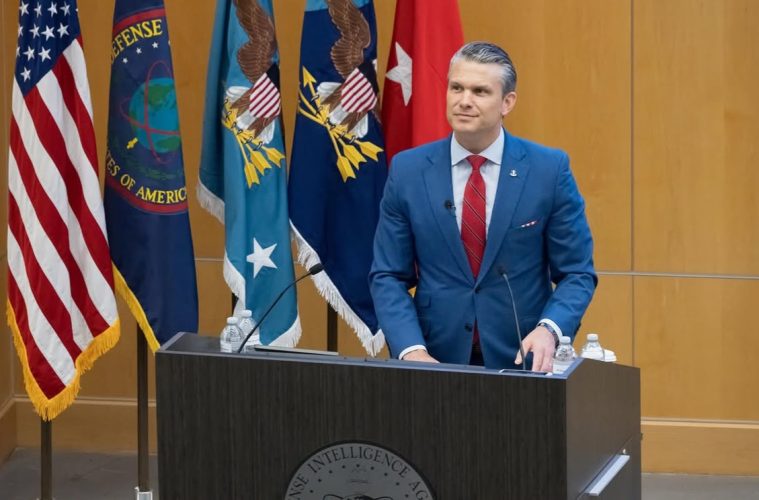
The defense secretary says military grooming standards should be enforced consistently as renewed debate over beard regulations spreads across the Navy.
Introduction
Date: July 10, 2026
U.S. Defense Secretary Pete Hegseth is calling for action after photographs shared online appeared to show several U.S. Navy sailors wearing beards that critics say violate existing grooming regulations.
The images quickly circulated on social media, prompting renewed discussion about military appearance standards, discipline, and whether grooming policies are being applied consistently across the armed forces.
Although the Navy permits limited exceptions for medical conditions and sincerely held religious beliefs, its general policy continues to require sailors to remain clean-shaven while in uniform. Hegseth’s response has renewed attention on how those standards are enforced and whether commanders should take additional action.
What Sparked the Controversy?
The latest debate began after photographs of uniformed sailors with visible facial hair spread across social media and military discussion forums.
Some users questioned whether the sailors had approved exemptions, while others argued the images suggested inconsistent enforcement of Navy regulations.
The online discussion eventually reached senior defense officials, leading Hegseth to publicly stress the importance of maintaining military standards and accountability.
The Defense Department has not publicly identified the individual sailors shown in the images.
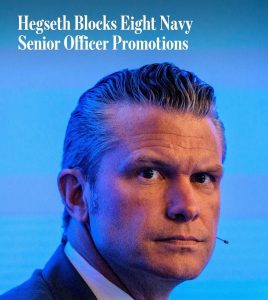
Image credit : Instagram @surviving.purely.out.of….
What Does the Current Navy Beard Policy Say?
The U.S. Navy generally requires service members to remain clean-shaven while on duty.
However, there are recognized exceptions.
Medical waivers may be granted to sailors diagnosed with conditions such as pseudofolliculitis barbae, a skin condition that can be aggravated by frequent shaving.
Religious accommodations may also permit facial hair for service members whose sincerely held religious beliefs require beards.
Outside those approved exceptions, sailors are expected to comply with Navy grooming standards.
Why Grooming Standards Matter
Military grooming regulations serve several purposes beyond appearance.
Defense officials have long argued that standardized grooming promotes discipline, professionalism, and unit cohesion.
Another practical concern involves safety equipment.
Properly fitted respirators and protective masks often require a clean facial seal to function effectively, which has historically been one of the strongest arguments against allowing unrestricted facial hair.
Supporters of the current policy believe these operational considerations remain essential for military readiness.
Calls for Greater Consistency
Hegseth’s remarks focused largely on enforcement rather than introducing new regulations.
He emphasized that standards should apply consistently throughout the military and suggested commanders are responsible for ensuring existing policies are followed.
His comments have reopened a long-running debate over whether the Navy should modernize its grooming standards or continue maintaining current requirements.
Some current and former service members support stricter enforcement, while others believe broader reforms deserve consideration.
Image credit : Instagram @secwar
The Ongoing Debate Over Beard Regulations
The discussion surrounding facial hair in the U.S. military is not new. For years, service members, veterans, and military leaders have debated whether beard policies should evolve alongside modern workplace standards.
Supporters of the current rules argue that uniform grooming reinforces discipline, professionalism, and a consistent military appearance. They also point to operational concerns, noting that certain protective equipment, including gas masks and respirators, may not achieve a proper seal over facial hair.
Others believe carefully maintained beards could be allowed more broadly without affecting readiness in many non-combat roles. They argue that updated grooming standards could improve morale and better reflect changing workplace expectations while still preserving military professionalism.
Reaction From the Military Community
Hegseth’s comments quickly generated discussion across military forums and social media.
Some current and former service members welcomed his emphasis on enforcing existing regulations, saying consistency is essential for maintaining discipline and fairness.
Others argued that the controversy highlights a broader conversation about whether grooming policies should be reviewed in light of modern research, evolving military practices, and recruitment challenges.
Regardless of differing opinions, the debate demonstrates how appearance standards continue to attract attention both inside and outside the armed forces.
Could the Policy Change?
At present, there has been no official announcement that the Navy plans to revise its beard policy.
Any significant changes would likely require a formal review by military leadership, along with consideration of operational requirements, medical evidence, and existing accommodation policies.
For now, the Navy’s current grooming regulations remain in effect, and service members are expected to comply with them unless they have an approved medical or religious exemption.
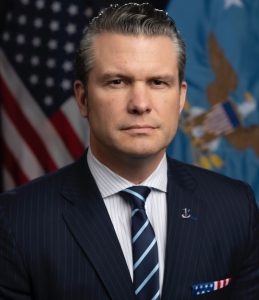
Image credit : Instagram @hnaftali
Confirmed Facts
Pete Hegseth publicly called for action after images appeared to show sailors with facial hair despite existing Navy grooming standards.
The U.S. Navy generally requires sailors to remain clean-shaven, while allowing approved medical and religious exemptions.
There has been no official announcement introducing a new beard policy or eliminating current grooming requirements.
Speculation
Some online users have suggested the controversy means the Navy is preparing to permit beards more broadly.
At the time of writing, no official policy change has been announced.
Others have claimed that the sailors shown in circulated images violated regulations without authorization.
Because the identities and circumstances of the individuals have not been publicly confirmed, those claims remain unverified.
Conclusion
Pete Hegseth’s call for action has brought renewed attention to one of the military’s longest-running debates: how to balance discipline, professionalism, and evolving expectations around personal appearance.
While current Navy regulations continue to require most sailors to remain clean-shaven, approved medical and religious accommodations remain part of the existing policy.
Whether this latest controversy leads to broader discussions about future grooming standards remains to be seen. For now, the focus remains on consistent enforcement of current regulations rather than introducing new rules.
FAQs
Why is Pete Hegseth discussing the Navy’s beard policy?
He responded after images circulating online appeared to show sailors with beards, prompting questions about enforcement of existing grooming standards.
Does the U.S. Navy allow beards?
Generally, no. However, approved medical and religious exemptions permit some sailors to wear beards.
Has the Navy changed its beard policy?
No. As of now, there has been no official announcement changing the current grooming regulations.
Why does the Navy require sailors to be clean-shaven?
The policy is intended to support professionalism, discipline, uniform appearance, and, in some situations, the effective use of protective equipment.
Could the beard policy change in the future?
It is possible, but no official review or policy change has been announced. Any revisions would require formal approval through military leadership.
Published by HOLR Magazine