


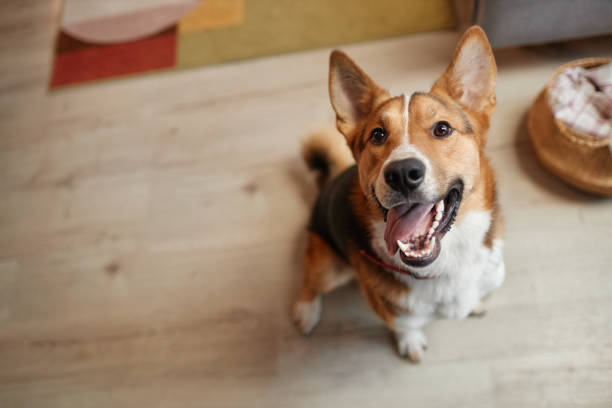
We tend to view homes as a haven for our pets and while this is true in many respects, we overlook the numerous pet health impacts from day-to-day use of household items and routines. Unlike dangerous substances and situations, the daily use of household items creates no immediate signs or symptoms of danger. Rather than creating immediate harm to your pet, they create harm through the accumulation of a substance or activity that can be detrimental to the health of your pet.
Recognizing these potential hazards is key to the prevention of illness in pets which supports overall wellness and reduces unnecessary trips to veterinarians.
Indoor Air Quality
The indoor air quality has a direct correlation to the health of your pets’ respiratory systems and is particularly relevant in locations such as Dubai, where central air conditioning is run year-round and most residences have their windows shut.
Sources of indoor pollution consist of scented candles, air fresheners, cleaning sprays, and incense. While these products provide comfort to humans, they can create irritation to the respiratory system of your pet. The repeated exposure to these types of pollutants may lead to coughing, sneezing, watery eyes or potentially chronic respiratory issues (in particular, cats).
Choosing fragrance free products and improving ventilation will assist in reducing your pets exposure to indoor air quality hazards, supporting overall animal health.
Cleaning Products and Chemical Residue
Cleaning your home is an important part of pet ownership. However, what you use to clean often stays with you, even after your floors, counters and furniture look “clean”. Pets are always walking, resting and grooming on the surfaces they come into contact with, which means they are likely to ingest chemicals (through their mouths) or be exposed through their skin. No matter how little a chemical is present, being exposed over and over again will lead to long-term dermatologic problems and/or GI distress.
Cleaning thoroughly and allowing all surfaces to dry completely, as well as using pet-safe cleaning products, will help to minimize your pets’ potential for ongoing exposure to toxins.
Hidden Dangers of Houseplants
Houseplants add warmth and beauty to a home. However, many houseplants can be dangerous to pets if they are eaten by them. Cats and younger dogs have an innate curiosity about chewing things, including plants. While most houseplants are harmless, there are enough plants that can cause harm to warrant awareness of toxic plants for pets.
Some plants can cause mild stomach upset, while others can cause much more severe toxicity. A reaction may not occur right away, which makes identifying a reaction difficult. Knowing which houseplants are toxic to pets and selecting pet friendly plants will greatly help in creating a safer living environment.
Hidden Dangers of Human Foods for Your Pet
Although it might feel innocent enough to share your snacks and meals with your pets, many types of food can harm your pet, even if you give them just a little bit.
Some Foods to Watch Out For:
- Chocolate
- Grapes & Raisins
- All forms of Onions and Garlic
- Food that’s very fatty or salty
Even though some reactions will need an emergency vet visit right away, the continued ingestion of unhealthy foods may also cause your pet chronic problems (obesity, pancreatitis, etc.) and/or put extra pressure on organs.
Your pet needs a constant, appropriate diet to maintain their overall nutritional health.
Electrical Cables & Common Household Objects
You would never think about the various household items that could potentially put your pet in danger. If your pet chews into an electrical cord, they can get severely burned or shocked by electricity. Many other common household items, such as rubber bands, hair ties, or broken toy parts, can be eaten by accident.
The most common time these kinds of things happen is when your pet is young. Gastrointestinal blockages occur due to swallowing items, and those situations usually need to be treated by an emergency vet.
Pest Control Products and Medications
Pest control products and drugs can be very dangerous for your pet when they have been used improperly. When you use pest control products (flea treatments, rat poison, bug spray), you risk exposing your pet through either direct ingestion of a product or by contacting a surface that has been sprayed.
Sometimes the effects will vary from immediate to a delayed reaction based upon both the type and amount of exposure. For instance, products that contain permethrin (most commonly found in dog flea treatments) are toxic to cats. Even with a minimal amount of exposure, they can cause a cat to have tremors or a seizure.
It is imperative to store pest control products properly and follow instructions carefully to minimize accidental poisoning of your pet which is a commonly seen issue in veterinary medicine.
Noise, Stress, and Environmental Change
Not all dangers are physical. Chronic stress and environmental stressors can cause damage to your pet’s overall health and wellbeing. Loud noises, irregular schedules, no place for them to safely rest, etc., can all be contributors to chronic stress.
Chronic stress can manifest itself through behavioral changes such as aggression, withdrawal, and excessive grooming; it can also weaken your pet’s immune system. Managing stress in pets is an important aspect of managing behavioral health in pets and is crucial for maintaining overall wellness.
Flooring and Daily Pet Movement
Tile and marble flooring are common household floorings in Dubai homes. However, many pet owners find it difficult to prevent their pets from slipping on slick surfaces. As pets continue to slip and fall on these surfaces repeatedly, they will experience an increase in stress on their joints and muscles.
In elderly pets or pets that suffer from arthritis, repeated slipping can lead to decreased ability to move and decreased comfort levels. Pet owners can provide some additional support to their pets joint health and movement by adding rugs and/or non-slip mats to specific locations.
Conclusion
Most people do not consider hazardous conditions as hazards, simply because they are a normal part of their daily lives. This is how easily they can be overlooked. These small issues can add up and cause problems for your pets.
Improving indoor air quality, being cautious about the cleaning supplies you use in your home, securing hazardous household items and creating a calm atmosphere all contribute to a positive change in your pet’s health.
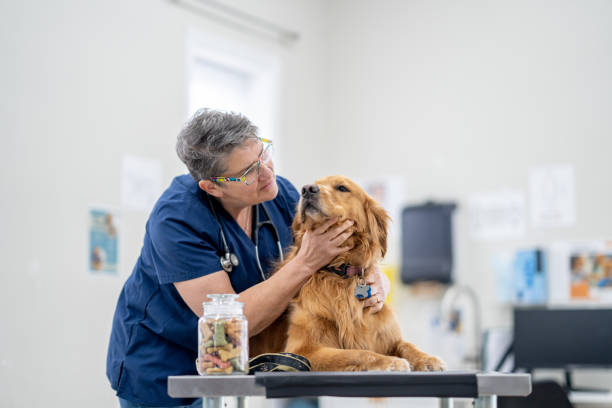
A healthy living space for your pets is a cornerstone of preventive veterinary medicine. When you pay attention to the “hidden” factors in your pet’s environment, you create a living space that will support your pet’s overall health and wellbeing.
Published by HOLR Magazine.