


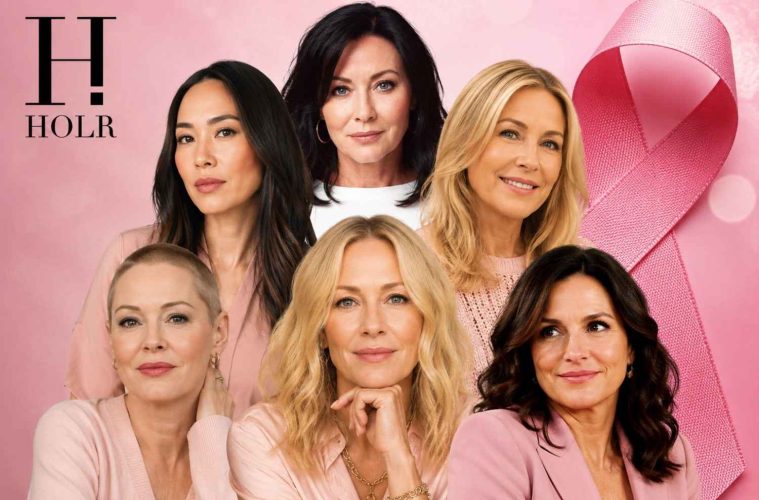
Behind the Red Carpet: The Hollywood Women Who Changed the Breast Cancer Conversation Forever
July 17, 2026 – For most of us, breast cancer is something that touches our lives through a family member, a friend, or a heartbreaking story on the news. We rarely imagine that the women we admire on movie screens or watch on television are living through the same fears, sleepless nights, and life-changing decisions.

.regionalcancercare.org
Hollywood often looks like a world of glamour, flashing cameras, and picture-perfect moments. But behind the red carpets and award shows are women who have faced one of the most frightening diagnoses imaginable. Some survived and transformed their experiences into a mission to help others. Others lost their lives, leaving behind legacies that continue to inspire millions.
What makes these stories unforgettable isn’t celebrity status. It’s their humanity.
HOLR breaks down why these women changed the conversation around breast cancer—and why their stories still matter today.
Before Breast Cancer Became a Public Conversation
Not long ago, breast cancer was rarely discussed publicly.
Many women quietly underwent surgery and treatment without telling friends, coworkers, or even extended family. In Hollywood, where appearance often seemed tied to career opportunities, revealing a cancer diagnosis felt especially risky. Hair loss, mastectomies, and chemotherapy were topics that remained hidden behind closed doors.
oncodaily.com
Over time, that silence began to break.
A growing number of actresses, singers, journalists, and television personalities decided to tell the truth about what they were experiencing. They shared not only the victories but also the fear, uncertainty, and heartbreak that came with treatment.
Their openness changed more than entertainment headlines. It changed how people thought about breast cancer.
Shannen Doherty Showed the World That Courage Isn’t About Pretending You’re Not Afraid
When Shannen Doherty first revealed her breast cancer diagnosis in 2015, fans immediately rallied around her. Many hoped treatment would be successful, and when she announced she was in remission, it felt like the happy ending everyone wanted.
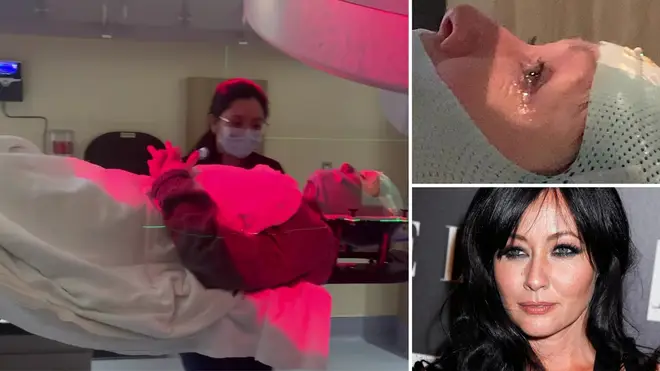
LBC
But life had other plans.
In 2020, Doherty shared that her cancer had returned and progressed to Stage IV metastatic breast cancer. For many people, those words sounded devastating. Yet instead of disappearing from public view, she did something remarkable—she continued living her life as openly as possible.
She worked, recorded podcasts, gave interviews, and spoke honestly about the emotional reality of living with advanced cancer.
She didn’t try to appear fearless.
Neilson Barnard/Getty Images for Hallmark Channel
She admitted that some days were incredibly difficult. She spoke about scan anxiety, uncertainty, and preparing for the future while still choosing to enjoy the present.
That honesty mattered.
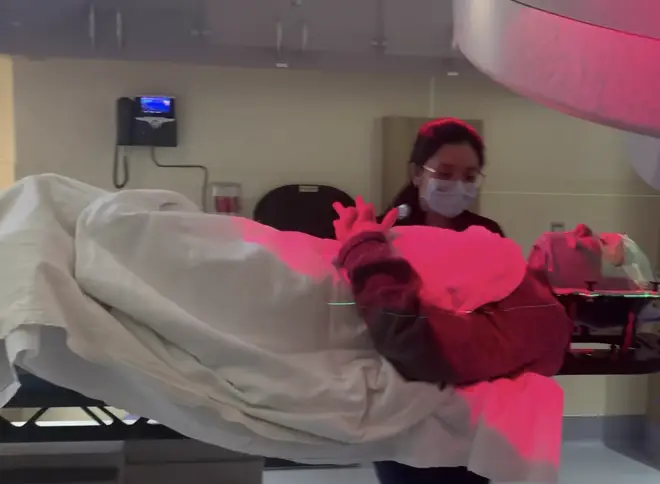
Picture: Instagram
For thousands of people living with metastatic breast cancer, Shannen Doherty became a powerful reminder that a Stage IV diagnosis is not the end of someone’s identity. Patients are still parents, partners, professionals, and dreamers.
When she passed away in 2024, tributes poured in from around the world. Many weren’t just remembering the actress they had watched on television—they were thanking the woman who had made them feel seen during one of the hardest chapters of their lives.
Olivia Munn Reminded Everyone That One Test Doesn’t Tell the Whole Story
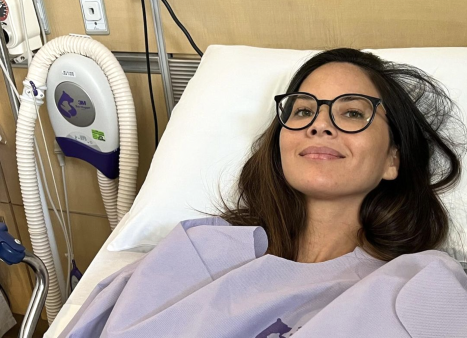
Olivia Munn’s breast cancer journey surprised millions because it challenged one of the biggest misconceptions about screening.
Her routine mammogram did not detect cancer.
Her genetic testing did not reveal a BRCA mutation.
For many women, those results might have provided reassurance. Instead, her doctor looked at the bigger picture by calculating her lifetime breast cancer risk. Based on that assessment, additional imaging was recommended, and an MRI revealed an aggressive cancer that required urgent treatment.
Instagram/@oliviamunn
Her experience quickly became one of the most talked-about breast cancer stories in recent years because it highlighted an important message: healthcare isn’t always one-size-fits-all.
Every woman’s risk is different.
Age, family history, breast density, reproductive history, and other factors all play a role. Olivia’s willingness to explain her journey encouraged countless women to ask their own doctors more questions about their personal risk rather than relying on a single screening result.
Her story wasn’t meant to create fear.
It encouraged awareness.
Sometimes, asking one more question can make all the difference.
Christina Applegate’s Decision Was About More Than Surgery
At just 36 years old, Christina Applegate was balancing a successful career when breast cancer unexpectedly entered her life.
After her diagnosis, she learned she carried a BRCA1 gene mutation, significantly increasing her risk of developing breast and ovarian cancers.
Faced with an incredibly difficult choice, Applegate decided to undergo a double mastectomy.

Jenna Fischer Alberto E. Rodriguez/Getty Images for Thirst Project
For many people, it was the first time they had heard celebrities openly discussing genetic testing and preventive surgery. Her story helped introduce conversations about inherited cancer risk into everyday households.
More importantly, she reminded women that there is no universal path through breast cancer.
Every diagnosis is different.
Every treatment plan is different.
And every woman deserves to make the decision that feels right for her, together with her medical team.
Kylie Minogue Proved That Awareness Can Save Lives
When Australian singer Kylie Minogue announced her diagnosis in 2005, she was only 36 years old.
Many younger women believed breast cancer was something that only happened later in life. Kylie challenged that assumption overnight.
After sharing her diagnosis, doctors noticed a significant increase in younger women scheduling breast examinations and speaking with healthcare professionals about breast health. Researchers later described this increase in awareness as the “Kylie Effect.”
It became one of the clearest examples of how a celebrity’s personal story could influence public health.
Kylie never set out to become a medical advocate.
She simply shared her truth.
In doing so, she encouraged thousands of women to take their own health more seriously.
The Women We Lost Continue to Inspire Millions
Not every breast cancer story ends with recovery.
Some of Hollywood’s most beloved women lost their lives after long and courageous battles with the disease. Yet their influence continues long after their passing.
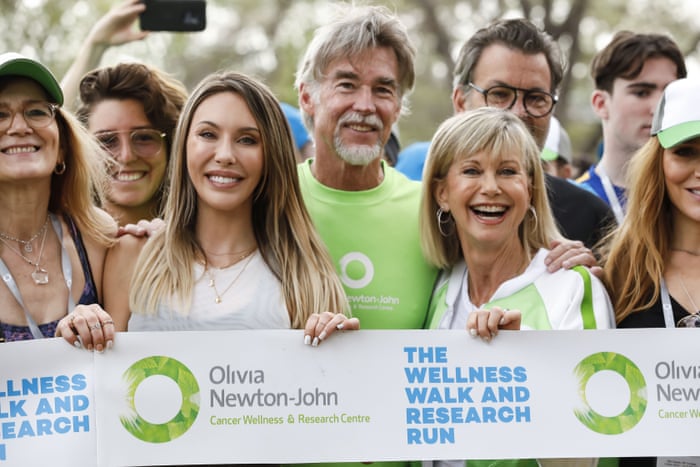
Olivia Newton-John spent nearly three decades advocating for cancer awareness after her first diagnosis. Even when her cancer returned and later spread, she remained hopeful and dedicated herself to improving cancer care. Her work continues through the Olivia Newton-John Cancer Wellness & Research Centre, helping patients receive both medical treatment and emotional support.
The Guardian
Kelly Preston chose a different path.
Rather than sharing every stage of her illness publicly, she fought her battle quietly, surrounded by family. Her decision reminded the world that there is no right or wrong way to experience cancer. Some people find strength in speaking openly, while others find comfort in privacy.
Suzanne Somers also became an important voice in conversations about breast cancer. She encouraged women to ask questions, understand their treatment options, and take an active role in their healthcare. Whether people agreed with every opinion she shared or not, she helped many women feel more confident discussing their own health.
These women may no longer be with us, but the conversations they started continue to encourage awareness and compassion.
Breast Cancer Is More Personal Than Many People Realize
One of the biggest misconceptions about breast cancer is that it is a single disease with a single treatment.
It isn’t.
There are multiple types of breast cancer, each behaving differently. Some grow slowly, while others are far more aggressive. Some respond well to hormone therapy, while others require chemotherapy, targeted treatments, immunotherapy, surgery, or a combination of approaches.

Health Information – St. Paul’s Hospital
Medical research has advanced tremendously over the past two decades, giving doctors more effective tools than ever before. Today, many treatment plans are personalized based on the biology of the tumor rather than using the same approach for everyone.
This progress has helped improve survival rates, especially when breast cancer is detected early.
That’s why awareness remains so important.
Life After Treatment Isn’t Always Easy
When treatment ends, many people assume life simply returns to normal.
For countless survivors, that’s far from reality.
Many continue to live with anxiety before follow-up appointments. Others struggle with changes to their bodies, early menopause, fatigue, or the emotional impact of wondering whether the cancer might return.
This feeling is often described as “scanxiety”—the fear that builds before routine scans or checkups.
Several celebrities have spoken openly about these emotions, helping others understand that healing doesn’t stop when chemotherapy ends.
Recovery is physical.
Recovery is emotional.
And for many people, recovery is lifelong.
Why Celebrity Stories Matter
Some people wonder why celebrity health stories receive so much attention.
The answer is simple.
People connect with stories.
Statistics can be forgotten.
Facts can be overlooked.
But a personal journey stays with us.
Someone who admires Shannen Doherty may finally book a mammogram after reading about her experience. Another person may learn about genetic testing because Christina Applegate spoke openly about BRCA mutations. A woman who thought she was too young to worry about breast cancer might remember Kylie Minogue or Olivia Munn and decide to schedule a medical appointment.
That is the true power of sharing these experiences.
It’s not about celebrity.
It’s about helping someone else recognize that early action could change their future.
Final Thoughts
Behind every famous face is a person whose life can change in an instant.
The women featured in this story didn’t become role models because they were actresses, singers, or television personalities. They became role models because they allowed the world to see them at their most vulnerable.
They showed us that courage doesn’t always look like confidence.
Sometimes courage is walking into another doctor’s appointment.
Sometimes it’s choosing surgery that changes your body forever.
Sometimes it’s continuing to smile even when the future feels uncertain.
And sometimes it’s simply sharing your story so that someone else doesn’t have to face theirs alone.
Breast cancer doesn’t care about fame, awards, or success. It can affect anyone. But the conversations these women started have helped countless people learn about early detection, genetic risk, and the importance of listening to their bodies.
Perhaps that is their greatest legacy.
Long after the cameras stop flashing and the headlines fade, their voices continue to encourage women to ask questions, seek support, and put their health first.
That is a legacy far more meaningful than any red carpet could ever offer.
FAQs
Can breast cancer return after treatment?
Yes. Some people experience a recurrence months or even years after completing treatment. Regular follow-up care and monitoring are important parts of survivorship.
Why do celebrity breast cancer stories matter?
Celebrity experiences often encourage people to learn about risk factors, schedule screenings, discuss family history, and seek medical advice. By sharing their journeys, many public figures have helped reduce stigma and promote early detection.
Published by HOLR Magazine