


Sending condolence flowers is a meaningful gesture that can offer support and connection in one of life’s most difficult moments. But with evolving customs, diverse family needs, and many arrangement options, it’s understandable to feel uncertain about the best way to express your sympathy.
A thoughtful approach can provide comfort without overstepping, and knowing proper etiquette helps ensure your gesture is received as both respectful and supportive.
Who Should Receive Condolence Flowers?
Traditionally, condolence flowers are sent to immediate family members of the deceased, including parents, spouses, children, or siblings. In some cases, close friends, colleagues, or even extended family may be appropriate recipients, especially if you had a special relationship with the deceased or their family.
When choosing who to send the flowers to, consider the individual’s role in your life, your connection to the family, and their level of involvement in planning or attending services. If in doubt, a short note or discreet call can clarify who would most appreciate your gesture.
What Colors and Stems Are Appropriate?
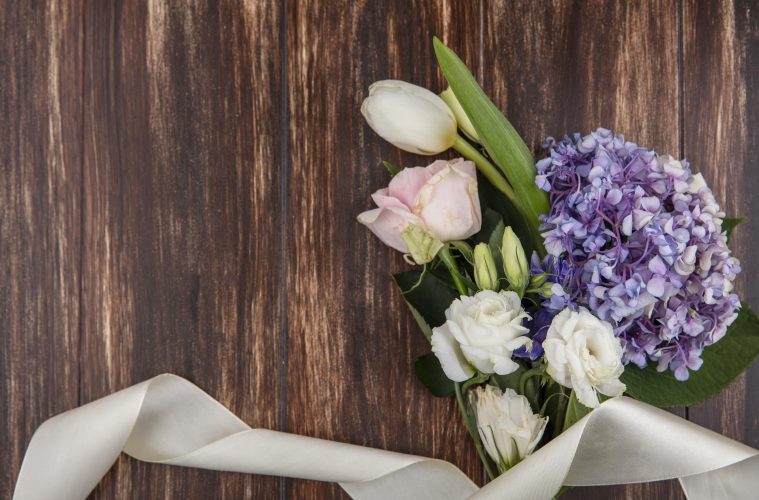
Choosing the right bouquet color and style is essential. Generally, white remains the classic color for condolences, symbolizing peace and honor. For a bit of variety, you may consider adding soft pastels (pale pink, lavender, blue) that are gentle and comforting. Instead, deeper reds or purples may be added in to convey respect and admiration. Avoid bright, festive colors unless the family or culture specifically requests “celebration of life” tones.
You may also consider looking into the meaning of different flowers. Common flowers for sympathy arrangements include lilies, chrysanthemums, roses, hydrangeas, carnations, gladiolus, and orchids, which embody meanings such as purity, remembrance, strength, and love.
When choosing your flowers, keep in mind that religious and cultural norms may influence choices. For example, some traditions prefer only white flowers, while others avoid certain colors or stems entirely. Online guides or a local florist can help!
Wording and Timing for Your Message
A brief, heartfelt message is best. Examples include “With deepest sympathy,” “Thinking of you at this difficult time,” or “In loving memory.” Mentioning the deceased by name adds a personal touch, but make sure to avoid lengthy notes or sharing heavy memories in this first message.
As for timing, flowers may be sent to the funeral home or service location before or on the day of the service, or directly to the family’s home in the days following. Home delivery is especially appropriate if you learn about the passing after the funeral has occurred or if services are private.
Cultural Nuances (And When Not To Send Flowers)
Some religions and cultures have specific traditions regarding funeral flowers. For instance, Jewish custom often emphasizes sending food baskets or making donations rather than flowers. Buddhist funerals generally feature white or yellow flowers, while in Chinese customs, certain numbers or types of blooms may carry particular symbolism.
If you’re ever unsure, reach out to someone close to the family or the funeral director for guidance. It’s always better to err on the side of culturally appropriate respect.
When You Can’t Attend: Thoughtful Alternatives
Distance, timing, or personal reasons may make it impossible to attend services. In these cases, sending flowers with a sincere note or sympathy card shows how much you care. It can be a wonderful way to show your support to a loved one when you can’t physically be there for them.
If you still want to send a physical arrangement but aren’t sure about suitable blooms, costs, or how long flowers will look fresh, be sure to partner with a specialist such as Kremp Florist. They will be able to guide you through choices, pricing, and delivery schedules to ensure your flowers arrive at the right time and place.
Pro tip: Professional flower delivery services will include options to add notes to the delivery. Alternatively, you can accompany the flowers with an email, card, or digital message. Don’t skip this aspect for a more personal touch!
Making Your Gesture Last
Some families appreciate flowering houseplants instead of cut flowers, because plants sometimes offer ongoing comfort as they grow. Peace lilies, orchids, or small trees are common choices. You might also consider including a charitable donation or small memento, like a card with your favorite memory or a photo, alongside your floral gift.
Recap: Tips for Sending Condolence Flowers
- Select respectful colors and classic sympathy blooms.
- Write a brief, heartfelt message on your card.
- Time your delivery for the service or shortly thereafter.
- Account for cultural and religious customs.
- Use reputable florists with clear delivery and support options.
- When unsure, don’t hesitate to ask the family, funeral home, or an etiquette expert.
For more advice on modern etiquette and navigating difficult moments with friends or colleagues, check our in-depth guides to life’s major transitions here on HOLR Magazine.
Published by HOLR Magazine.