


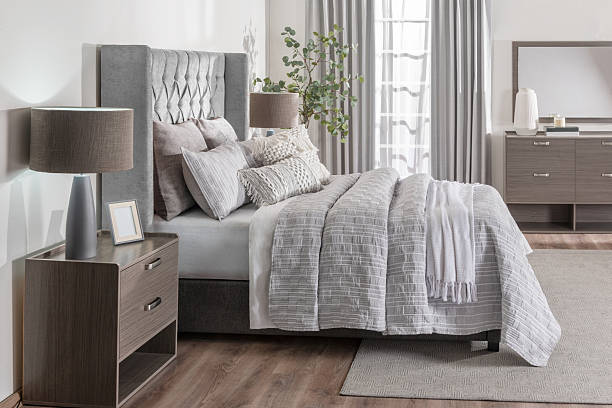
Texture is what makes a room feel alive. It affects how light plays across surfaces, how cozy a chair feels, and how grounded a space looks. Once you start layering textures, even simple rooms gain depth and character.

Start With The Foundation
Floors set the tone for everything else. A substantial rug anchors furniture groupings, softens acoustics, and adds an instant tactile layer. Explore patterns and pile heights to shift the mood – a flatweave feels airy while a plush wool reads warm.
Rug scale matters as much as style. Aim for the front legs of sofas and chairs to sit on the rug so the seating zone feels connected. If you want a more collected look, consider layering a larger neutral base with a smaller patterned piece on top to define conversation areas more clearly.
A design magazine noted that choosing the right area rug size helps define zones in open layouts and keeps a room from feeling scattered, reinforcing the idea that rugs are the true groundwork of a living space. Architectural Digest has highlighted how area rugs ground a space and make layouts feel intentional.
Layer Soft Against Structured
Balance is key. Pair nubby knits with sleek leather, boucle with polished wood, or crisp linen with glazed ceramic. The contrast keeps the eye moving and prevents any one material from dominating.
Use at least three distinct textures in every vignette. For example, a linen sofa, a brass floor lamp, and a jute rug create a simple trio that feels complete. Repeat one texture elsewhere – like a second jute accent in a basket – to tie the story together.
Add Soul With Handmade Details
Handcrafted pieces carry irregularities that read as warmth. Kilim pillows, carved stools, and hand-thrown pottery add subtle variation in color and touch. This small-scale texture invites you to linger.
If you love traditional motifs and heirloom quality, mid-sentence links can guide readers to curated options. Consider Rug N Carpet Persian hand made rugs and similar options for rich pattern and history, and pair them with relaxed textiles so the room feels inviting, not formal. Keep palettes cohesive so intricate designs shine without visual noise.
Mix Piles, Weaves, And Layers Underfoot
Underfoot texture changes how a room feels in use. Combine a flatweave base with a medium-pile accent for depth without tripping hazards. Place a small hide or vintage runner over a larger natural-fiber rug to add a highlight of sheen or pattern.
A home resource explained that layering rugs can define zones and add both texture and visual interest in larger rooms, especially when you need to carve out a reading nook or dining area within a shared space. In small rooms, one correctly sized rug may be enough to create cohesion.
Walls And Windows Count Too
Texture doesn’t stop at furniture. Grasscloth wallpaper, limewash, or micro-textured paint lends dimension to walls that plain matte can’t match. Even lightly textured trim or beadboard can make a room feel tailored.
At the windows, mix crisp linen or cotton with a subtle weave. Roman shades layered under relaxed drapery add softness and practical light control. If your walls are already textured, keep window fabrics smoother so the balance feels calm.
Style Vignettes With Tactile Contrast
Create small moments that invite touch. On a console, stack matte books, add a glossy ceramic bowl, and finish with a raw-wood frame. On a coffee table, pair a ribbed glass vase with a woven tray and a soft throw folded neatly.
Vary scale as well as feel. A chunky knit next to a fine herringbone prevents monotony. Step back and squint – if your eye lands in one spot, introduce a contrasting texture nearby to distribute attention.
Light, Color, And Texture Work Together
Texture shows up best when lighting is layered. Combine ambient ceiling light with a couple of lamps and a directional sconce so highlights and shadows reveal the weave and grain. Dimmable options let you tune the mood for the evening.
Color influences texture perception. Darker tones can make a surface feel denser, while paler hues often read lighter and airier. If you love high contrast, keep textures simple; if your palette is soft, you can push bolder textures without overwhelming the room.
Put It All Together In Any Room
Start with a rug that fits your layout, then add seating in a contrasting fabric. Bring in one natural element like wood or rattan, and one refined surface like metal or glass. Finish with a handmade detail and a soft throw for comfort.
Rooms evolve. Swap a pillow for a different weave, replace a smooth planter with a rough terracotta pot, or trade a glossy tray for a woven one. Small texture tweaks can refresh a space without a full redo.
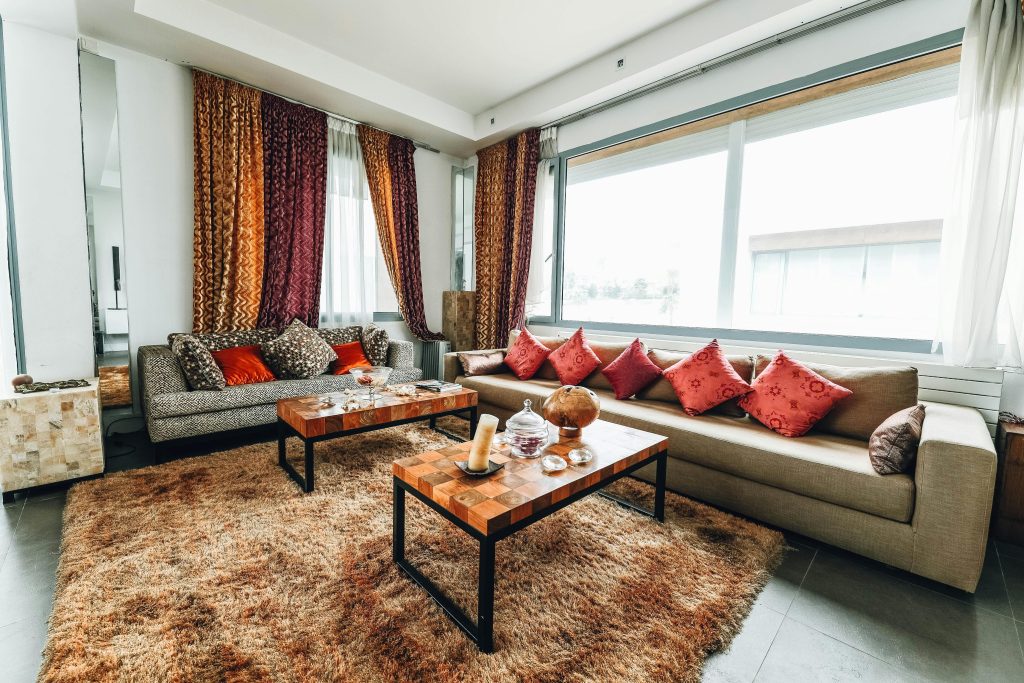
Texture is your shortcut to rooms that feel layered, welcoming, and complete. Once you learn to balance rough with smooth, matte with glossy, and thick with thin, your home starts to tell a richer story. Keep experimenting until each corner looks good and feels even better.
Published by HOLR Magazine.