


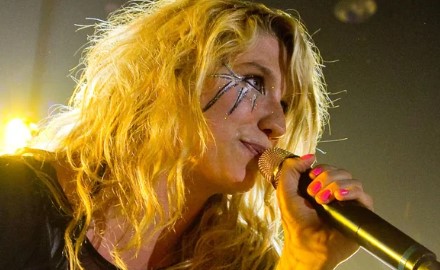
The singer opens up about criticism, confidence, and finding her voice
Looking Back on a Difficult Beginning
December 8, 2025: Kesha is revisiting the early days of her career with honesty, revealing that after her debut she truly believed “the whole world thought I was stupid and couldn’t sing.” The pop star, whose arrival on the music scene was both explosive and polarizing, admitted that the initial public perception deeply affected her confidence as an artist.
Fame Came Fast—And So Did Judgment
Kesha rose to prominence almost overnight with chart-topping hits that leaned heavily into party-pop energy and irreverent lyrics. While the music dominated the airwaves, she says the playful persona audiences saw didn’t translate into respect for her talent.
Behind the scenes, Kesha struggled with the disconnect between commercial success and critical dismissal, feeling boxed into an image that reduced her artistry.
“I Internalized the Narrative”
According to Kesha, the most lasting damage came from internalizing how others framed her. Critics often questioned her vocal ability and seriousness, and she admits she began to believe those judgments herself.
Rather than being celebrated for songwriting or musical instincts, she felt underestimated—an experience that lingered far beyond her debut era.
Proving Herself Over Time
As her career evolved, Kesha slowly reclaimed her sense of artistic worth. Through later albums and stripped-back performances, she demonstrated vocal range and emotional depth that directly challenged early assumptions.
She has since spoken about how deeply meaningful it was to finally feel seen—not as a caricature, but as a musician with something real to say.
HOLR has the latest news on how Kesha’s creative evolution reshaped public understanding of her talent.
The Weight of Image on Young Artists
Kesha’s reflection touches on a broader issue within the music industry: how easily young artists, especially women, are reduced to aesthetics or personas. She noted that once an image is set, breaking free from it can be an uphill battle—one that requires time, resilience, and self-trust.
Her experience is now often cited as an example of how early branding can overshadow genuine ability.
Growth Through Adversity
Looking back, Kesha says the experience—though painful—ultimately shaped her strength. Learning to trust her voice again, both literally and creatively, became a defining part of her journey.
Instead of chasing validation, she focused on authenticity, allowing her later work to reflect growth rather than expectation.
A More Compassionate Perspective
Today, Kesha speaks about her younger self with compassion rather than criticism. She acknowledges how isolating sudden fame can be, especially when public narratives drown out personal truth.
Her openness offers reassurance to emerging artists who may be facing similar doubts beneath visible success.
Owning Her Story
Kesha’s reflection isn’t about regret—it’s about reclaiming authorship of her own narrative. By speaking candidly about feeling dismissed and misunderstood, she reframes her debut not as failure, but as the beginning of a longer arc toward creative self-acceptance.
Published by HOLR Magazine