


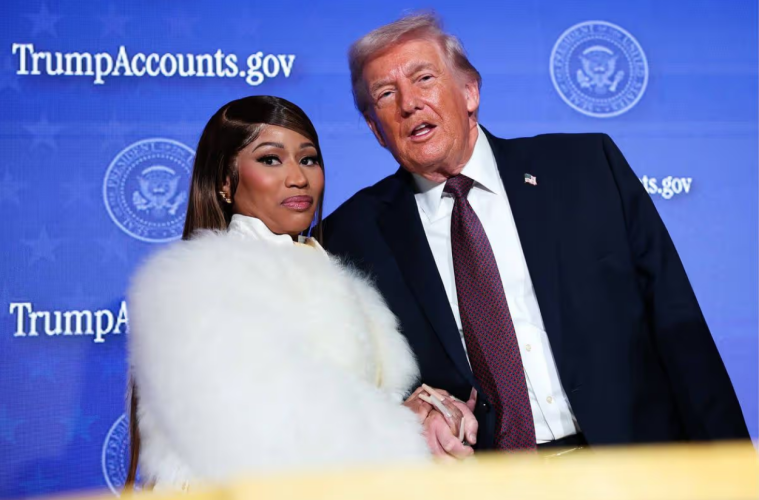
Rapper pushes back against backlash over political stance
Nicki Minaj Addresses ‘Cancellation’ Narrative
March 23, 2026 – Nicki Minaj is pushing back against claims that she has been “canceled” following her public support of Donald Trump. The rapper addressed the backlash directly, making it clear that she does not see herself as sidelined or silenced despite criticism online. Her response has reignited discussions about celebrity influence, political expression, and the meaning of “cancel culture” in today’s media landscape.
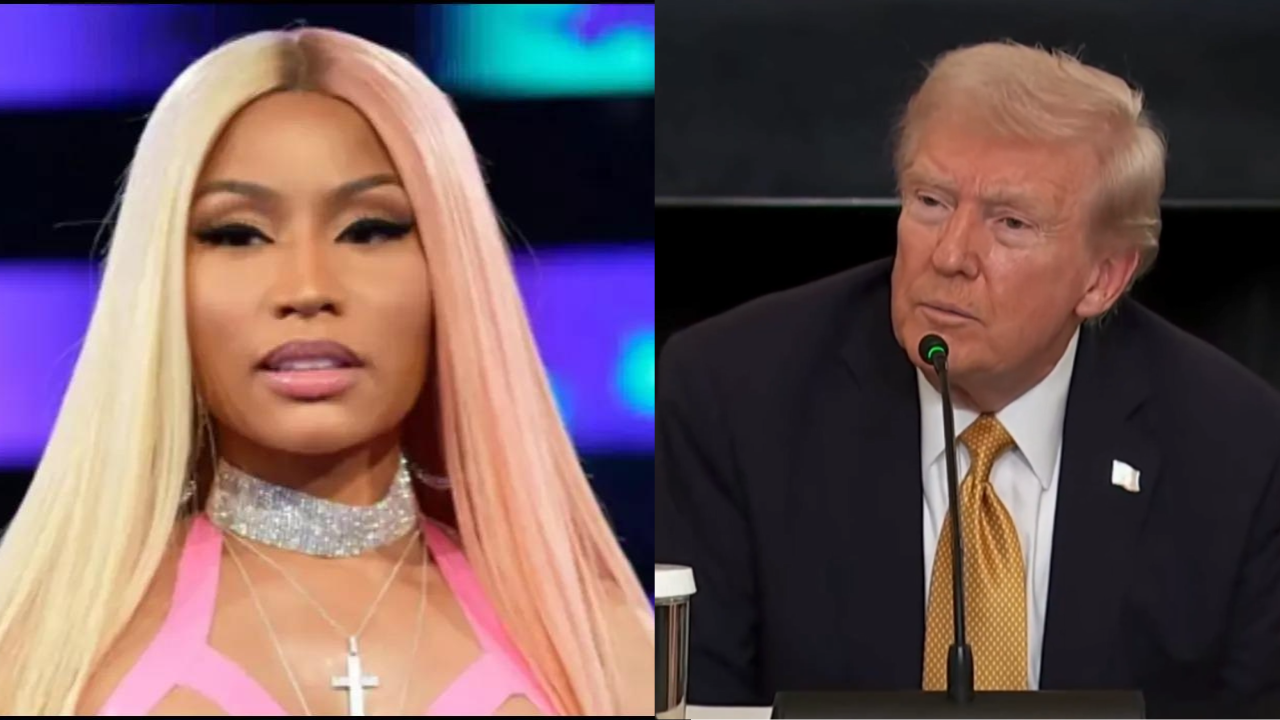
Image Credit: Getty Images
What Sparked the Controversy
The conversation began after Minaj voiced support for Trump, a move that quickly drew strong reactions across social media. Given the polarized nature of political discourse, especially in the United States, public endorsements from celebrities often trigger intense debate. Minaj’s comments were no exception, with supporters praising her for speaking her mind and critics questioning her stance.
Pushing Back Against the ‘Canceled’ Label
Minaj has rejected the idea that backlash equates to being “canceled,” arguing that public criticism is not the same as losing relevance or opportunity. Her stance reflects a broader shift in how the term is understood, as many public figures continue to maintain successful careers despite online controversy. By addressing the narrative head-on, she reinforces the idea that visibility and influence are not easily diminished by criticism alone.
Image Credit: Getty Images
The Role of Celebrity Political Expression
Celebrities speaking on political issues is not new, but it remains a complex and often divisive space. When artists like Minaj share their views, they bring their audience into conversations that extend beyond entertainment. This can amplify important discussions, but it can also expose them to heightened scrutiny. Her situation highlights the balance between personal expression and public reception.
Social Media’s Amplifying Effect
Social media platforms play a significant role in shaping how these moments unfold. Reactions can spread rapidly, creating a cycle where opinions are amplified and debated in real time. In Minaj’s case, the conversation quickly expanded beyond her initial comments, evolving into a broader discussion about cancel culture, freedom of expression, and public accountability.

Image Credit: Getty Images
Supporters vs Critics
As with many high-profile controversies, public opinion has been divided. Supporters argue that Minaj has the right to express her views without facing disproportionate backlash, while critics contend that public figures should be mindful of the impact of their statements. This divide reflects the larger cultural landscape, where discussions around politics and celebrity often intersect.
What ‘Cancel Culture’ Means Today
The idea of “cancel culture” has evolved significantly, with debates around its definition and impact continuing to grow. For some, it represents accountability, while for others, it is seen as a form of silencing. Minaj’s rejection of the label adds another perspective to this ongoing conversation, suggesting that the concept itself may be more nuanced than it is often portrayed.

Image Credit: Getty Images
Career Resilience in the Face of Controversy
Minaj’s career trajectory demonstrates a level of resilience that is common among major artists. Despite controversies, many continue to maintain strong fan bases and industry presence. This resilience challenges the notion that public backlash automatically leads to lasting consequences, highlighting the complexity of modern celebrity culture.
Final Thoughts
Nicki Minaj’s response to being labeled “canceled” underscores the evolving nature of public discourse in the digital age. By rejecting the narrative, she challenges assumptions about how influence and relevance are measured. The situation reflects broader questions about the role of celebrities in political conversations and the impact of public opinion in shaping careers. As debates around cancel culture continue, her stance adds another layer to an already complex and ongoing discussion.
FAQs
Q1: Why is Nicki Minaj facing backlash?
She received criticism after publicly supporting Donald Trump.
Q2: What did she say about being canceled?
She rejected the idea, stating she is not “canceled.”
Q3: What is cancel culture?
It refers to public backlash that can impact a person’s reputation or career.
Q4: How are fans reacting?
Reactions are divided between support and criticism.
Q5: Does this affect her career?
It remains unclear, but she continues to maintain a strong public presence.
Published by HOLR Magazine