


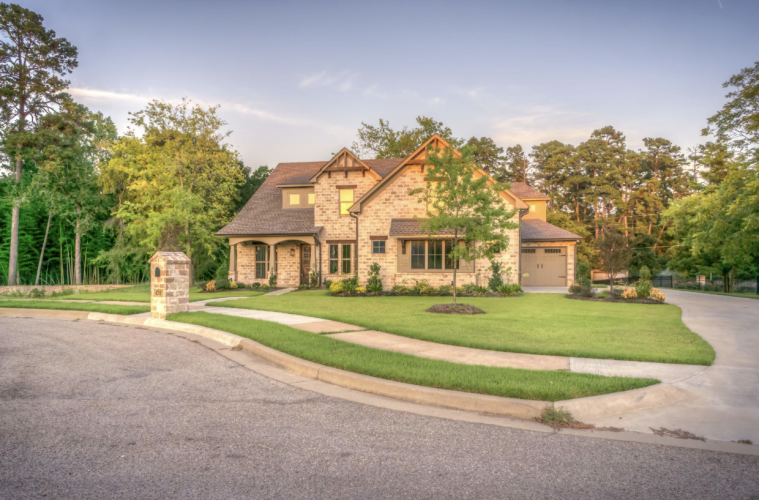
Modern homes are no longer defined only by what happens inside the walls. Increasingly, the outdoor spaces around a home are becoming part of daily life, part of the design story, and part of what makes a house feel genuinely complete.
A backyard isn’t just a backyard anymore. A patio isn’t just a place to set a few chairs. The outdoor areas of a home now carry real purpose. They’re places to gather, rest, cook, work, think, and reconnect with the world outside the screen.
This shift didn’t happen all at once. It grew out of the way people began paying closer attention to how their homes actually support their lives. After spending more time at home in recent years, homeowners began asking better questions. How can this space feel more useful? How can it feel calmer? How can it bring people together without feeling overdesigned?
That’s where modern outdoor design is heading. It’s less about showing off and more about creating spaces that feel natural, livable, and deeply connected to the home.
Outdoor Living Rooms Are Becoming Essential
One of the clearest trends in modern homes is the rise of the outdoor living room. Homeowners want the comfort of an indoor lounge, but with fresh air, natural light, and a stronger connection to the landscape.
This can look like a covered patio with cushioned seating, a pergola with soft lighting, or a simple deck arranged around conversation rather than decoration. The goal isn’t to recreate the indoors exactly. It’s to bring the feeling of comfort outside in a way that still respects the surrounding environment.
Weather-resistant furniture has also come a long way. Sofas, lounge chairs, rugs, and tables made for outdoor use now look warmer and more refined than they used to. Instead of stiff patio sets, people are choosing pieces with texture, depth, and softness.
The result is a space that makes people want to stay a little longer.
That matters more than it might seem. A well-designed outdoor living area can genuinely change the rhythm of a home. Morning coffee moves outside. Evening conversations stretch out under the sky. A quiet corner is where someone reads, breathes, or finally puts their phone down for a while.
Natural Materials Are Taking the Lead
Modern outdoor design has moved away from spaces that feel overly polished or artificial. Today, there’s a stronger pull toward natural materials that age well and feel grounded.
Stone, wood, gravel, concrete, clay, and textured tile are all showing up in thoughtful ways. These materials do more than look good. They help outdoor areas feel connected to the land around them.
A stone pathway can make a garden feel more intentional. A wood privacy screen can soften a seating area. A concrete patio, when designed with care, can feel clean and modern without feeling cold.
This is also where planning makes a real difference. Homeowners are paying closer attention to how surfaces, edges, drainage, and transitions affect the whole experience of a space. Many are working with designers, landscapers, and hardscape contractors to create outdoor areas that feel both beautiful and genuinely built to last.
The best results often come from restraint. A few strong materials used consistently can create a more elegant design than a space filled with too many competing textures.
Simple doesn’t mean plain. It means considered.
The Garden Is Getting More Personal
For a long time, most residential landscapes followed a fairly predictable formula. Lawn in the middle. Shrubs along the edges. Maybe a flower bed near the front entry.
That approach is changing.
Modern homeowners are more interested in gardens that reflect how they actually live. Some want low-maintenance plantings that look good through every season. Others want edible gardens, pollinator-friendly plants, or quiet spaces that feel a little wild in the best possible way.
Native plants are becoming more popular too, because they support local ecosystems and often need far less water and care once they’re established. They bring movement, color, and life into the landscape without forcing it into something it isn’t.
There’s something honest about that approach.
A modern garden doesn’t need to look perfect every single day. Part of its beauty comes from change. Leaves shift. Grasses move in the wind. Flowers fade and come back. The space feels alive because it is alive.
That kind of design asks homeowners to let go of a little control. But the reward is a landscape with more character, more resilience, and a stronger sense of place.
Outdoor Kitchens Are Becoming More Thoughtful
Outdoor kitchens aren’t new, but the way people design them has shifted noticeably. The focus is moving away from oversized setups that feel like showpieces and toward practical spaces that support real meals and real gatherings.
A modern outdoor kitchen might include a grill, a prep counter, a sink, storage, and a small refrigerator. But it doesn’t have to be large to be effective. What matters most is how naturally it fits into the flow of the outdoor space.
Can the person cooking still be part of the conversation? Is there enough shade? Is the dining area close enough to feel connected? Is the layout easy to clean and maintain over time?
Those questions shape better design.
Homeowners are also choosing materials that handle weather well while still feeling warm and intentional. Stone counters, stainless appliances, sealed concrete, and durable cabinetry can all work together when the design is balanced.
The real point isn’t the equipment. It’s the experience.
Cooking outside has a different feeling. There’s the sound of food on the grill, the smell of herbs or smoke in the air, and the easy pace of people gathering before the meal is even ready. A good outdoor kitchen supports that without making the space feel cluttered or overly busy.
Fire Features Still Bring People Together
Fire has always had a way of drawing people in. That hasn’t changed.
What has changed is the style of fire features homeowners are choosing. Instead of bulky fire pits placed randomly in the yard, modern designs often include built-in fire bowls, linear fireplaces, sunken seating areas, or simple stone fire circles that feel genuinely integrated with the landscape.
The best fire features create a clear destination. They give people a reason to step outside in the evening or actually use the backyard during cooler months when they otherwise wouldn’t.
They also bring atmosphere. A small flame can make a space feel warmer, softer, and more intimate almost instantly.
Good design still keeps safety and placement in mind, of course. Fire features require proper spacing, ventilation, seating distance, and heat-resistant materials. When these details are handled well, the result feels effortless.
That’s usually the mark of good outdoor design. You don’t notice every technical choice. You just feel comfortable being there.
Lighting Is Becoming Softer and Smarter
Outdoor lighting used to be mostly about visibility. Now it’s about mood, safety, and subtle guidance through a space.
Modern lighting design avoids harsh brightness. Instead, it works in layers. Path lights help people move through the space. Uplights draw attention to trees or architectural features. String lights or sconces create warmth around seating areas. Small, well-placed fixtures can make steps and edges safer without drawing too much attention to themselves.
The goal is to make the outdoor space genuinely usable after dark without making it feel exposed or overly lit.
Smart lighting has also become more common. Homeowners can adjust brightness, set schedules, and create different moods for different occasions. A quiet dinner might call for one setting. A larger gathering might call for something else entirely.
But technology works best when it stays in the background.
The most beautiful outdoor lighting often feels almost invisible. It supports the space without stealing focus from the night itself.
Privacy Is Being Designed With More Care
As outdoor spaces become more central to daily life, privacy has become a bigger part of the design conversation. Homeowners want to feel open to nature without feeling exposed to every neighbor, street, or passing car.
The solution isn’t always a tall fence.
Modern privacy design tends to work in layers. A mix of trees, hedges, screens, pergolas, planters, and changes in elevation can create a real sense of enclosure without making the yard feel closed off or boxed in.
Wood slat walls are popular because they feel warm and architectural rather than purely functional. Tall grasses can soften a boundary line. Climbing vines can make a pergola feel more intimate over time. Even a carefully placed outdoor curtain can change the entire feeling of a patio.
Good privacy design feels protective, not defensive.
It gives people room to relax, talk freely, and sit outside in the early morning without feeling like they’re on display.
Sustainability Is Becoming Part of Everyday Design
Sustainability is no longer a separate feature in outdoor design. It’s becoming part of how modern spaces are planned from the very beginning.
That can mean using permeable surfaces to reduce runoff, choosing drought-tolerant plants, collecting rainwater, improving soil health, or installing efficient irrigation systems. It can also mean selecting durable materials that won’t need to be replaced within a few years.
Sustainable outdoor design isn’t only about doing less harm. It often produces better spaces.
A yard with healthy soil supports stronger plants. A shaded patio stays more comfortable through the warmer months. A landscape designed for local conditions is easier to maintain. A space built with durable materials ages with more grace.
There’s a quiet practicality to this trend. Homeowners are realizing that beauty and responsibility don’t have to compete with each other.
In the best designs, they genuinely support each other.
Indoor and Outdoor Spaces Are Blending Together
Perhaps the biggest trend defining modern homes right now is the blurring of the line between indoors and outdoors.
Large sliding doors, covered patios, consistent flooring tones, and aligned sightlines all help create a smoother transition. When done well, the outdoor space feels like a natural extension of the home rather than something tacked on as an afterthought.
This doesn’t mean everything has to match perfectly. It means the spaces should feel like they’re in conversation with each other.
A kitchen that opens to a dining patio feels more generous. A bedroom with access to a small garden feels calmer. A living room that looks out toward trees or a courtyard gains a sense of depth it wouldn’t otherwise have.
Even modest homes can benefit from this thinking. Sometimes the change is as simple as improving the view through a window, adding a small seating area just outside a door, or choosing plants that make the transition between inside and outside feel softer.
Modern design isn’t always about adding more. Often it’s about connecting what’s already there.
The Future of Outdoor Design Feels More Human
The outdoor design trends shaping modern homes all point in the same direction. People want spaces that are beautiful, yes, but also useful, calming, durable, and personal.
They want fewer empty showpieces and more places that support real life.
A place to cook with friends. A place to sit quietly after a long day. A place where children can play, plants can grow, and conversations can unfold without anyone feeling rushed.
That’s what makes today’s outdoor design feel different from what came before. It’s not just about curb appeal or resale value, though those things still matter. It’s about quality of life.
A home feels better when the outside matters too.
And maybe that’s the real trend underneath all the others. Modern homeowners aren’t only designing outdoor spaces to look impressive. They’re designing them to actually be lived in.
That’s a shift worth paying attention to.