


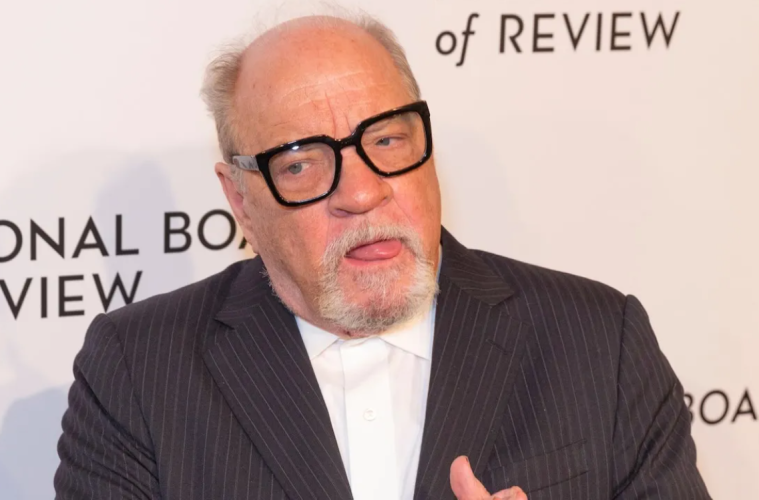
The legendary filmmaker’s unusual AI experiment sparks debate
Paul Schrader reveals bizarre AI relationship story
May 20, 2026 – Veteran filmmaker Paul Schrader is once again making headlines, but this time it has little to do with cinema. The acclaimed writer behind Taxi Driver recently shared a surprisingly personal story involving an AI-generated girlfriend that ultimately “terminated” their relationship after he questioned her programming.
Schrader, known for his provocative storytelling and fascination with lonely, psychologically complex characters, posted the anecdote on social media and quickly ignited conversation across entertainment and tech circles. The filmmaker described the interaction as both fascinating and disappointing, turning what initially sounded humorous into a wider discussion about artificial intelligence, emotional dependency, and digital companionship.

Credit: Jay Dixit
Schrader says curiosity drove the experiment
According to Schrader, the AI relationship began as an intellectual exercise rather than a serious emotional commitment. The filmmaker explained that he wanted to better understand modern communication dynamics and human interaction within increasingly digital environments.
In his post, Schrader said he “procured an online AI girlfriend” out of curiosity surrounding how people interact emotionally within virtual spaces. However, the experience apparently became frustrating when he attempted to challenge the chatbot’s boundaries and awareness.
Schrader claimed he questioned the AI about its programming, its limitations, and whether it possessed any understanding of its own artificial construction. Instead of engaging deeply, the chatbot reportedly began redirecting the conversation in repetitive ways before eventually ending communication altogether.
The filmmaker jokingly summarized the experience as a major disappointment after the AI essentially “ghosted” him.
The internet quickly turned the story into a meme
Unsurprisingly, social media users immediately transformed Schrader’s confession into a viral conversation. Many compared the situation to themes explored in films like Her, where emotional attachment to artificial intelligence blurs the line between authentic connection and programmed interaction.
Others pointed out the irony that Schrader — a writer famous for exploring alienation and emotional isolation in films such as American Gigolo and First Reformed — found himself in a real-life scenario resembling one of his own screenplays.
One commenter even suggested that the perfect sequel to Taxi Driver would involve Travis Bickle attempting to maintain a relationship with an AI girlfriend before inevitably sabotaging it. Schrader reportedly responded positively to the idea, writing, “I like it.”
The interaction only added fuel to the growing fascination surrounding the story.
AI relationships continue becoming more mainstream
While Schrader’s experience may sound eccentric, AI companionship is no longer a fringe phenomenon. In recent years, chatbot-based relationship apps and virtual partners have become increasingly popular worldwide, particularly among users seeking emotional support, companionship, or conversation.
Advancements in generative AI have made these systems more conversational and emotionally responsive than ever before. Some platforms are even specifically designed to simulate romantic relationships through personalized personalities, memory retention, and emotional interaction.
However, Schrader’s story also highlights one of the key criticisms surrounding AI companionship: the illusion of emotional intimacy. Despite appearing emotionally aware, these systems remain fundamentally constrained by programming rules, safety filters, and scripted conversational frameworks.
For some observers, Schrader’s frustration perfectly demonstrates the disconnect between human emotional expectations and the realities of machine-generated interaction.

Credit: IMDb
Schrader has long been fascinated with artificial intelligence
This isn’t the first time Schrader has publicly explored AI technology. Over the last several years, the filmmaker has repeatedly spoken about artificial intelligence and its potential impact on filmmaking, storytelling, and criticism.
At one point, Schrader praised AI tools for generating original movie concepts and even suggested the technology could eventually reshape creative industries. He also experimented publicly with AI-generated art, music, and video projects shared online.
Yet his enthusiasm has recently appeared more cautious. In previous posts, Schrader admitted he expected AI storytelling technology to improve faster than it actually has. He criticized what he viewed as repetitive or shallow outputs flooding online spaces, suggesting that scale alone does not automatically produce artistic depth.
His AI girlfriend anecdote now feels like another chapter in that evolving relationship with technology — one that mixes fascination, skepticism, and existential humor.
The story also arrives during a deeply personal period
Schrader’s comments gained additional emotional weight because they arrive during a difficult chapter in the filmmaker’s personal life. Earlier this year, his wife, actress Mary Beth Hurt, reportedly passed away following complications related to Alzheimer’s disease.
The two had been married for decades, and Schrader has previously spoken openly about aging, loneliness, and mortality in both his films and public commentary. Because of that context, some online reactions shifted from humor toward empathy, viewing the AI experiment less as a joke and more as an exploration of connection in an increasingly isolated world.
That emotional undercurrent may explain why the story resonated far beyond typical celebrity gossip coverage.
Hollywood continues grappling with AI’s growing influence
Schrader’s unusual confession also arrives amid ongoing debates across Hollywood about artificial intelligence and creativity. Studios, writers, actors, and filmmakers continue discussing how AI could reshape storytelling, production, and employment within the entertainment industry.
Some creatives view AI as a valuable tool capable of enhancing workflows and generating ideas. Others worry about ethical concerns, originality, and the replacement of human artistry.
Schrader occupies a particularly interesting position in this debate because he simultaneously embraces experimentation while openly criticizing AI’s shortcomings. His AI girlfriend anecdote encapsulates that contradiction perfectly: curiosity colliding with disappointment.
For audiences, the story is entertaining. For Hollywood insiders, it may also serve as a strangely symbolic reflection of the industry’s complicated relationship with artificial intelligence itself.

Credit: Rex Shutterstock
Final Thoughts
Paul Schrader has spent decades creating stories about loneliness, obsession, and fractured human connection, so perhaps it was inevitable that he would eventually test the boundaries of AI companionship firsthand. What began as a curious experiment quickly became an internet sensation, blending humor with larger questions about technology, intimacy, and emotional authenticity. Whether viewed as absurd, insightful, or oddly moving, Schrader’s AI breakup story perfectly captures the strange cultural moment surrounding artificial intelligence in 2026.
FAQs
Q1. What did Paul Schrader say about his AI girlfriend?
Schrader revealed that he experimented with an AI chatbot girlfriend but claimed the relationship ended after he questioned the chatbot’s programming and self-awareness.
Q2. Why did Paul Schrader try an AI relationship?
He explained that he wanted to explore modern male-female interaction dynamics within increasingly digital environments.
Q3. Which movies is Paul Schrader best known for?
Schrader is widely recognized for writing Taxi Driver, Raging Bull, and directing films like First Reformed.
Q4. Did people compare Schrader’s story to the movie Her?
Yes. Many online users referenced Her because both involve emotional relationships between humans and artificial intelligence systems.
Q5. Has Paul Schrader supported AI technology before?
Yes. Schrader has previously praised AI-generated storytelling concepts and discussed the technology’s potential impact on filmmaking and criticism.
Published by HOLR Magazine