


A children’s TV moment sparks a wider cultural debate
Ramy Youssef responds to unexpected controversy
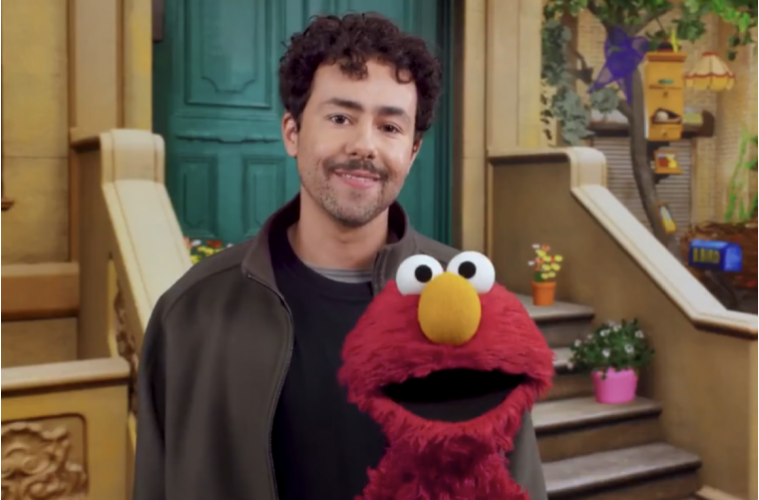
April 22, 2026 – Ramy Youssef is addressing backlash following his involvement in a recent episode of Sesame Street, where beloved character Elmo spoke Arabic. The moment, intended as a simple and inclusive cultural exchange, quickly became a flashpoint for criticism in some political circles.
Youssef responded with humor, pointing out the intensity of the reaction by joking that “Elmo saying habibi has set them off.” His comment reflects both the absurdity he sees in the backlash and his broader comedic style, which often blends cultural commentary with satire.

Image Credit: Mindy Tucker
The episode that sparked the reaction
The Sesame Street segment featured Elmo using the Arabic term “habibi,” a word commonly used to express affection or friendship. The inclusion was part of the show’s long-standing mission to promote diversity, understanding, and global awareness among young audiences.
For many viewers, the moment was consistent with the program’s values. However, it also drew criticism from some groups who interpreted it through a political lens, illustrating how even children’s programming can become entangled in broader cultural debates.
Youssef’s comedic take on the backlash
Rather than engaging in direct confrontation, Ramy Youssef chose to respond with humor. His remark about Elmo’s Arabic phrase highlights the disproportionate nature of the reaction, framing it as an overreaction to a harmless and educational moment.
Youssef’s approach aligns with his broader comedic voice, which often addresses sensitive topics with wit and perspective. By using humor, he shifts the conversation from conflict to reflection, encouraging audiences to reconsider the situation.

Image Credit: Getty Images
Sesame Street’s legacy of inclusion
Sesame Street has a long history of incorporating diverse languages and cultures into its storytelling. From teaching basic words in different languages to addressing social issues, the show has consistently aimed to reflect the world’s diversity in an accessible way.
The inclusion of Arabic in this episode is part of that tradition. It reflects an effort to expose children to different cultures in a positive and engaging manner, reinforcing values of empathy and curiosity.
Why the moment resonated so widely
The strong reactions to the episode highlight how cultural symbols can take on different meanings depending on context. For supporters, the moment represented inclusivity and education. For critics, it became a point of contention tied to broader political narratives.
This divergence underscores the complexity of media reception in today’s environment, where even seemingly simple content can generate significant debate.

Image Credit: Sarah Morris/WireImage
The role of humor in cultural conversations
Youssef’s response demonstrates the power of humor in navigating contentious topics. By framing the backlash in a lighthearted way, he reduces its intensity while still acknowledging its existence.
Comedy has long been a tool for addressing cultural tensions, offering a way to engage audiences without escalating conflict. In this case, Youssef’s remark serves as both a critique and an invitation to reconsider the reaction.
A broader reflection of cultural divides
The controversy surrounding the episode reflects larger divisions in how cultural representation is perceived. As media continues to evolve and incorporate diverse perspectives, reactions can vary widely across different audiences.
This moment illustrates how entertainment, even at its most basic level, can intersect with broader societal conversations. It also highlights the challenges creators face in balancing inclusivity with audience expectations.

Image Credit: WireImage/Getty
What this means for children’s programming
For shows like Sesame Street, the incident reinforces the importance—and difficulty—of maintaining a commitment to inclusivity. While backlash may arise, the program’s long-standing mission suggests that such moments are part of a larger effort to educate and connect.
The response to this episode may influence how future content is received, but it is unlikely to shift the show’s core values.
Final Thoughts
Ramy Youssef’s reaction to the backlash over Elmo speaking Arabic highlights the intersection of humor, culture, and modern media dynamics. What began as a simple educational moment evolved into a broader conversation about representation and perception.
As debates around inclusivity continue, moments like this serve as reminders of the varied ways audiences interpret content—and the role humor can play in bridging those divides.
FAQs
Q1: What did Ramy Youssef say about the backlash?
He joked that “Elmo saying habibi has set them off,” highlighting the reaction’s intensity.
Q2: What happened in the Sesame Street episode?
Elmo used the Arabic word “habibi” as part of a cultural learning segment.
Q3: Why did the episode receive criticism?
Some viewers interpreted the inclusion of Arabic through a political lens.
Q4: What does “habibi” mean?
It is a term of affection meaning “my dear” or “my friend.”
Q5: Is Sesame Street known for cultural inclusion?
Yes, the show has a long history of promoting diversity and global awareness.
Published by HOLR Magazine