


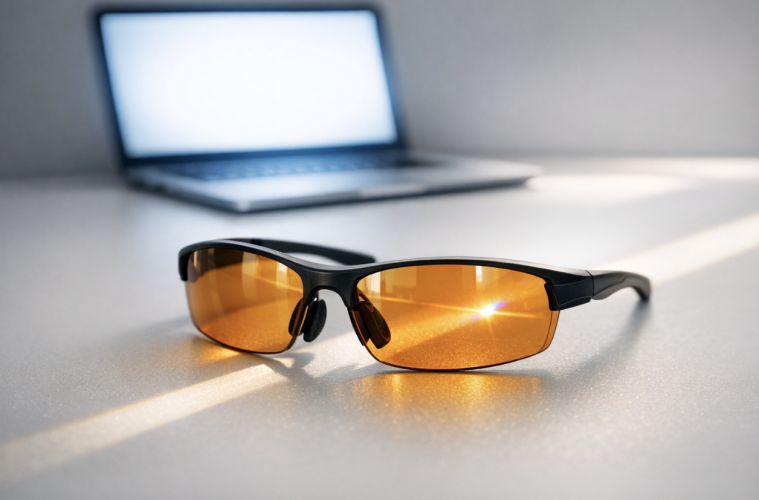
In today’s technology-driven world, screen fatigue has become a common concern, but not everyone experiences it the same way. For some, ordinary tiredness after digital use escalates into persistent discomfort from light exposure, revealing a spectrum of sensitivity. This article explores how light sensitivity differs among individuals and what practical strategies and tools, including light sensitivity glasses, can support daily comfort and style.
Screen fatigue, often described as tired or irritated eyes after long hours with digital devices, can be managed by most with occasional breaks and basic adjustments. However, for a significant group, the issue extends beyond simple fatigue—chronic light sensitivity makes otherwise normal settings, such as office spaces, public transit, or even cloudy outdoors, sources of disruption and discomfort. For many, sunglasses for light sensitivity provide a practical layer of comfort when ambient conditions are difficult to predict. This more nuanced approach addresses the core challenge faced by those whose symptoms go beyond the ordinary effects of screen use or artificial light.
Distinguishing between common fatigue and chronic light sensitivity
Many people encounter tired eyes or headaches after prolonged screen sessions, but chronic light sensitivity creates a fundamentally different experience. While general screen fatigue improves with reduced device use or lower brightness, those with heightened sensitivity often find that even minor light triggers cause lasting discomfort. For some, light sensitive eyes glasses help reduce the intensity of everyday glare without requiring them to darken every environment completely. Daily activities become complicated by persistent glare, fluctuating indoor lighting, and unpredictable factors like weather or reflective surfaces. Devices like light sensitivity sunglasses offer targeted protection, blocking or filtering specific light wavelengths rather than just dimming brightness.
The gap between common fatigue and true light sensitivity is often marked by the severity, duration, and unpredictability of symptoms. Chronic sufferers report that their discomfort persists even after rest and that relief from simple changes—like dimming monitors—can be minimal. In these cases, photosensitivity sunglasses can offer more consistent relief during commutes or outdoor transitions than standard tinted lenses. This distinction is important for identifying solutions that extend beyond generic advice, focusing instead on targeted eyewear and environmental adaptations.
Identifying and managing everyday triggers
Triggers for light sensitivity can appear anywhere: harsh office fluorescent bulbs, reflections on public transit, unexpectedly bright retail environments, or even a sudden shift in weather that sends indirect glare across workspaces or roads. These triggers quickly accumulate, making routine tasks challenging and draining for those affected. For many households, keeping indoor light sensitivity glasses available helps reduce strain during long stretches under overhead lighting. Unlike the temporary tiredness of digital fatigue, the discomfort from light sensitivity can be constant, impacting mood, productivity, and quality of life.
Managing these triggers involves more than seeking shade or dimming screens. Wearing glasses for sensitive eyes with special tinted lenses or adopting accessories like hats and scarves are practical strategies that blend comfort with daily style. Flexibility is crucial, as sensitivities can change from setting to setting. People often alternate between indoor light sensitivity glasses and sunglasses for light sensitivity depending on their environment, illustrating a need for adaptable routines that accommodate varying exposures throughout the day.
Choosing protective eyewear that fits both comfort and personal style
For those affected by chronic light sensitivity, eyewear selection extends beyond basic function toward meeting comfort and self-expression needs. Designers and optical brands have reacted, offering a range of frames and tints: large wraparound silhouettes for maximum coverage, subtle colors for unobtrusive indoor wear, and fit-over solutions that suit prescription users. Some prefer light sensitivity glasses that minimize reflections from the sides, while others prioritize lens colors that feel calming under mixed lighting. Selecting frames with side shields or wider bridges can also help, especially when used for long periods in unpredictable light conditions.
Eyewear that integrates seamlessly with personal style can make adaptive choices feel natural rather than medical. Pairing trendy tinted lenses with neutral clothing or coordinating frame colors with a daily palette means light sensitivity solutions become a wardrobe element, not just a functional tool. Exploring current styles, from oversize glasses for sensitive eyes to distinctive color options, helps normalize protective eyewear in mainstream settings while supporting ongoing comfort. For bright environments and outdoor errands, photosensitivity sunglasses can be chosen in styles that feel as polished as everyday fashion frames.
Personalized approaches for everyday comfort
Modern lens technology offers tailored solutions for individual needs, with some filters designed to block specific wavelengths that cause discomfort—particularly blue light, which often impacts digital device users and migraine sufferers most severely. Many people find that light sensitive eyes glasses improve tolerance for screens and overhead lights when consistent exposure is unavoidable. Switching between indoor-tinted glasses and outdoor sunglasses for light sensitivity lets people adjust protection as their day evolves. Choosing the right combination of frame fit, filter color, and adaptability means each person can find a balance that works with their unique sensitivities and lifestyle.
Attention to detail, like matching eyewear to personal style and adapting routines for varying light exposures, empowers those with heightened sensitivity to better control their daily experience. If lighting changes are frequent, keeping glasses for sensitive eyes in a work bag or car can make it easier to respond quickly without sacrificing comfort. For anyone who finds their symptoms interfere with work, social life, or general well-being, consulting a medical professional remains essential. Embracing a personalized blend of comfort, technology, and style allows individuals with light sensitivity to manage their environments confidently and maintain their quality of life.
Published by HOLR Magazine.