


Buying a home is one of the biggest financial choices you will ever make. It requires a lot of time and a clear plan to avoid mistakes. Many people jump into the market without checking the facts first. This can lead to stress or money loss later on.
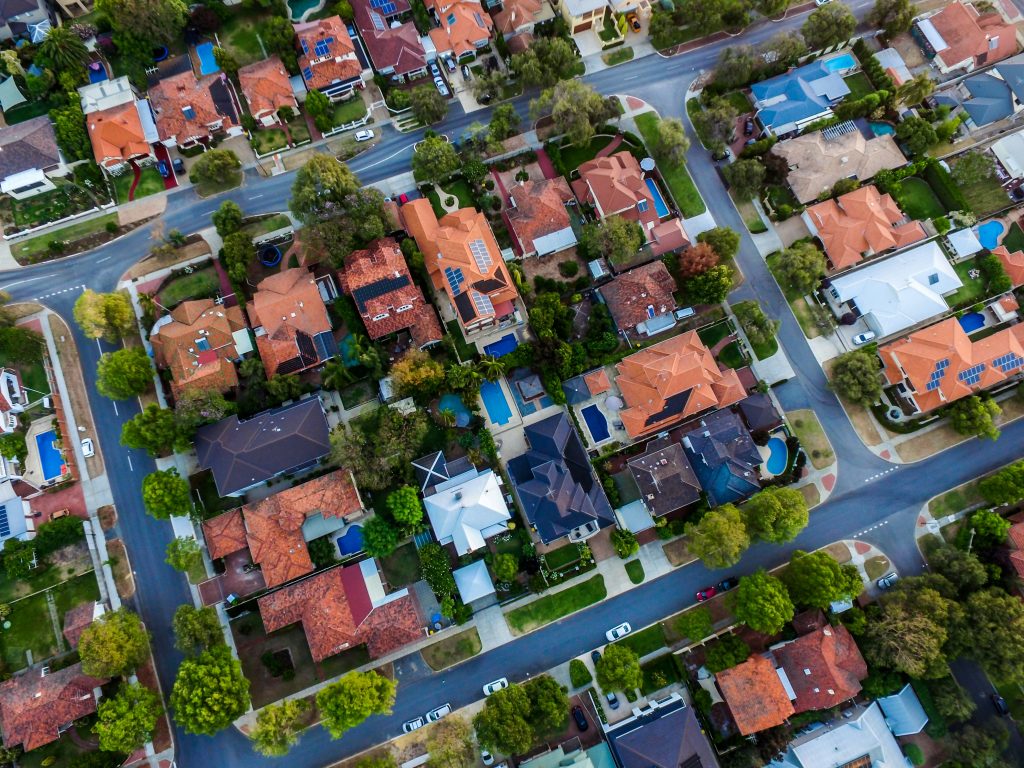
Start with a Clear Financial Plan
You must know your budget before you look at houses. This means looking at your savings and your monthly pay. You should also think about hidden costs like taxes and repairs. A deep look at your bank account helps you stay realistic.
Many buyers find that costs add up faster than they thought. One report shows that 65% of Americans are concerned about the 2026 real estate market. This worry often comes from high prices and shifting interest rates. Knowing these numbers helps you prepare for a tough market.
Check the Local Area and Amenities
The location of a property matters as much as the building itself. You should visit the area at different times of the day. Check the traffic and the noise levels on weekdays and weekends. This gives you a true feel for what life will be like there.
Look for nearby schools, shops, and hospitals. If you use a Dubai real estate search platform to find options, you can see which spots are growing fast. Finding a home in a rising area helps your investment grow over time. It is smart to look for places with new roads or parks planned for the future.
Look into Future Market Stability
Real estate markets go through cycles of highs and lows. You want to buy when things are steady or starting to grow. Researching global trends can give you a hint of what is coming next. Stable markets are safer for long-term owners.
Experts look at big factors like inflation to guess where prices will go. A global report from PwC suggests that greater stability around inflation and interest rates is supporting many real estate markets for 2026. This kind of news can help you decide if now is the right time to sign a contract.
Evaluate the Quality of the Build
Not all buildings are made with the same care. You should research the company that built the home. Look for reviews from other people who live in their projects. Check the walls and the plumbing for any signs of bad work.
- Check the age of the roof and the heater.
- Look for any water damage in the basement.
- Ask about the materials used for the windows.
- Verify if the building has a warranty.
A strong build saves you from spending thousands on fixes later. It is worth paying for a professional check-up before you buy. This report will show problems that you might miss with your own eyes.
Understand the Legal Paperwork
Buying a property involves a lot of legal documents. You need to make sure the seller truly owns the land. Check if there are any debts tied to the house. A lawyer can help you read the fine print in the sales contract.
Some areas have specific rules about how you can use your land. You might not be allowed to build an extra room or rent it out on short-term sites. Knowing these rules early prevents legal headaches later. Never sign a paper if you do not understand every word in it.
Think About Long-Term Resale Value
You might plan to live in the home forever, but things change. You should think about how easy it will be to sell the house in 10 years. Homes with 3 bedrooms usually sell faster than homes with only 1 bedroom. Good light and a smart layout always stay in style.
- Pick a home near public transport lines.
- Avoid houses right next to loud factories.
- Look for properties with extra storage space.
- Choose a layout that works for families.
If the area is getting better, your home value will likely go up. Researching city plans can show you where new offices or malls are going. Being near these hubs makes your home more attractive to future buyers.
Compare Different Property Types
There are many types of homes to choose from today. You might want a stand-alone house with a big yard. Others prefer an apartment with less work to do. Each choice has its own set of pros and cons to think about.
Apartments often come with extra fees for the gym or the pool. Houses give you more privacy but require you to mow the lawn and fix the roof. Think about how much time you have for chores. Your lifestyle should dictate the type of home you pick.

Taking the time to study the market makes a huge difference. You will feel more confident when you finally make an offer. A well-researched purchase brings peace of mind for years. You can move into your new place knowing you made a great deal. Buying a home should be a happy milestone rather than a source of stress. With the right data, you can find a property that fits your life and your wallet perfectly.
Published by HOLR Magazine.