


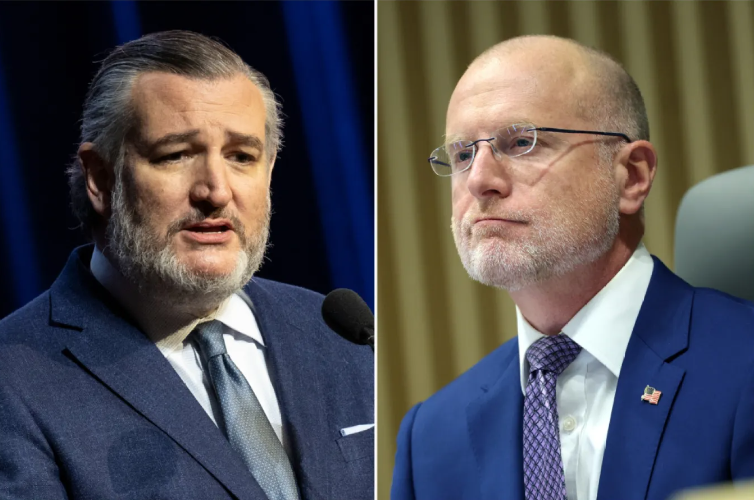
Senator pushes back on federal oversight amid free speech concerns
Ted Cruz Criticizes FCC’s Reported Move
April 29, 2026 – Ted Cruz has publicly criticized the Federal Communications Commission following reports that the agency is considering an early review of broadcast licenses tied to ABC. The response comes after controversy surrounding remarks made by late-night host Jimmy Kimmel.
Cruz argued that it is “not the government’s job to censor speech,” framing the issue as a broader concern about the role of federal agencies in regulating media content. His comments quickly added a political dimension to what was already a high-profile media story.
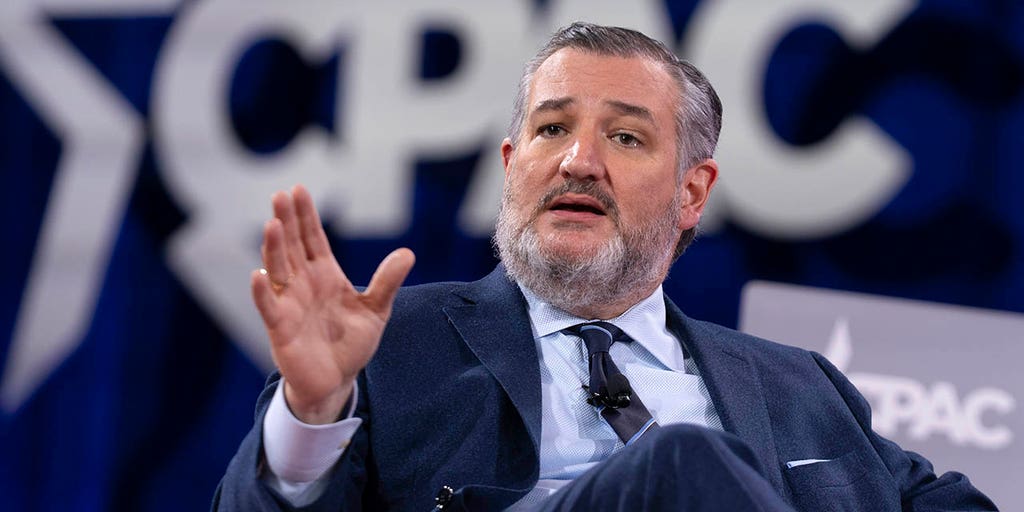
Image Credit: Getty Images
The Controversy Behind the Review
The situation stems from backlash tied to comments made by Jimmy Kimmel on his late-night program Jimmy Kimmel Live!. The remarks sparked debate, with critics calling for accountability and supporters defending the role of satire in late-night television.
Amid this backdrop, reports emerged suggesting that the Federal Communications Commission was exploring the possibility of reviewing ABC’s broadcast licenses earlier than scheduled. While no formal action has been confirmed, the discussion alone has generated significant attention.
Cruz Frames Issue as Free Speech Debate
Ted Cruz positioned the situation as a matter of free speech, emphasizing that government intervention in media content raises constitutional concerns. His argument centers on the idea that broadcasters should not face regulatory pressure based on the content of their programming.
By framing the issue in this way, Cruz aligns himself with a broader perspective that prioritizes minimal government involvement in speech-related matters. His comments reflect ongoing debates about how far regulatory agencies should go in overseeing broadcast content.
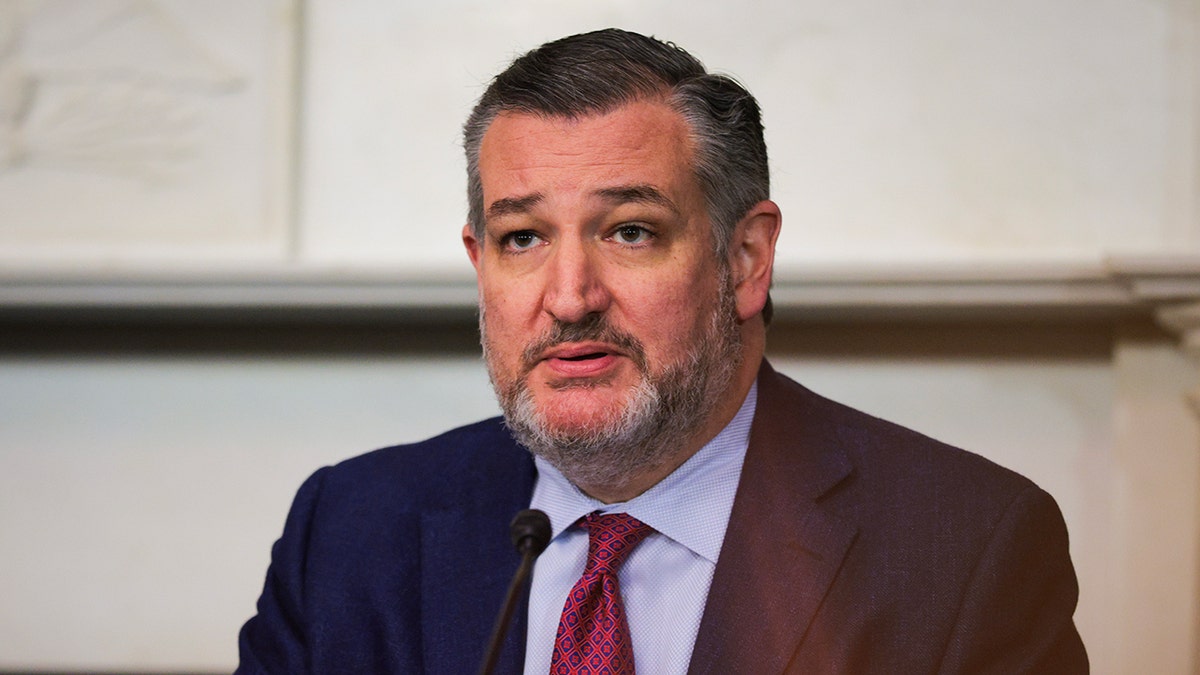
Image Credit: Kayla Bartkowski/Getty Images
The Role of the FCC in Broadcast Oversight
The Federal Communications Commission is responsible for regulating broadcast licenses, ensuring that stations operate in the public interest. This includes oversight of technical standards, ownership rules, and certain content guidelines.
However, the agency’s role does not typically extend to direct censorship of political or comedic expression. This distinction is central to the current debate, as critics question whether an early review could be perceived as a response to specific content.
ABC and the Media Landscape
For ABC, the situation highlights the complexities of operating within a regulated environment while producing content that often engages with political and social issues.
Late-night shows like Jimmy Kimmel Live! frequently rely on satire and commentary, which can attract both praise and criticism. Navigating these reactions is a routine part of the genre, but the involvement of regulatory discussions adds a new layer of complexity.
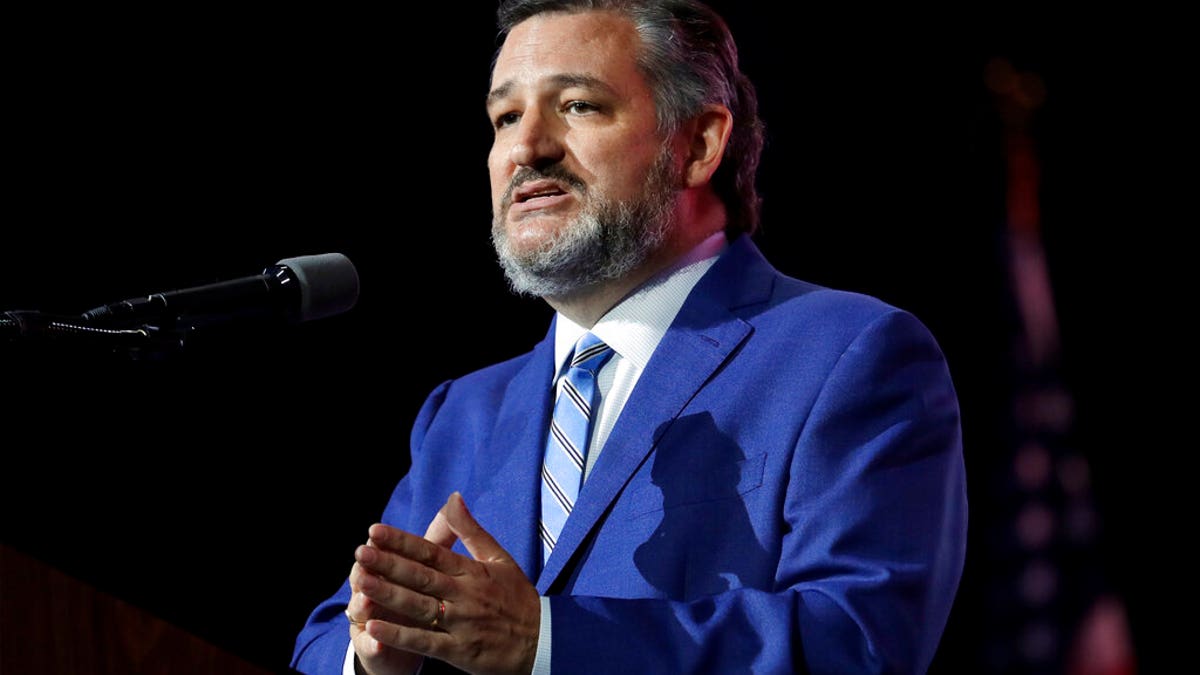
Image Credit: AP Photo/Michael Wyke
Political Reactions and Divided Opinions
The response to Ted Cruz’s comments has been mixed, reflecting broader divisions in how the issue is perceived. Supporters of his stance view it as a necessary defense of free expression, while others argue that regulatory frameworks serve an important role in maintaining standards.
This divide underscores how media controversies often intersect with political perspectives, turning individual incidents into larger debates about governance and rights.
Free Speech vs. Regulatory Responsibility
At the heart of the discussion is the balance between free speech and regulatory responsibility. While the First Amendment protects expression, broadcast networks operate on public airwaves, which come with certain obligations.
The challenge lies in determining where oversight ends and interference begins. Ted Cruz’s comments highlight concerns that even the perception of content-based review could have broader implications for media freedom.
The Broader Implications for Media
The situation raises important questions about the future of media regulation in an evolving landscape. As traditional broadcasting coexists with digital platforms, the relevance and scope of regulatory bodies like the Federal Communications Commission continue to be debated.
Incidents like this may influence how policies are interpreted and applied, potentially shaping the relationship between government agencies and media organizations moving forward.

Image Credit: Getty Images
What Happens Next
At this stage, it remains unclear whether the FCC will proceed with any formal review. The discussion itself, however, has already sparked a wider conversation about the limits of regulatory authority and the protection of free expression.
For ABC and its programming, the focus will likely remain on navigating public reaction while maintaining editorial independence.
Final Thoughts
Ted Cruz’s criticism of the FCC’s reported consideration of an ABC license review brings attention to a complex intersection of media, politics, and regulation. By framing the issue as one of free speech, he has amplified the stakes of the conversation.
As debates continue, the situation serves as a reminder of the delicate balance between oversight and expression in modern media. How that balance is maintained will remain a key question in the evolving relationship between government and broadcasting.
FAQs
Q1: Why did Ted Cruz criticize the FCC?
He argued that it is not the government’s role to censor speech in response to media content.
Q2: What sparked the controversy?
Comments made by Jimmy Kimmel on his late-night show led to public debate.
Q3: What is the FCC considering?
Reports suggest it may review ABC’s broadcast licenses earlier than scheduled.
Q4: Has the FCC taken action?
No formal action has been confirmed so far.
Q5: Why is this important?
It raises questions about free speech and the limits of media regulation.
What are the biggest stories trending online today? Read the latest here
Published by HOLR Magazine