


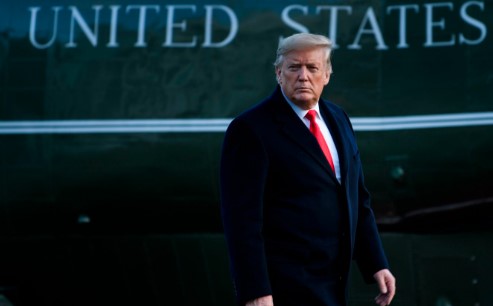
President announces modest federal worker pay increase amid broader budget pressures
December 19, 2025 — President Donald Trump has announced a 1% pay raise for federal employees in 2026, a modest increase that aims to provide some relief to government workers while fitting within tight budget constraints. The decision comes as part of the administration’s broader fiscal plan, seeking to balance employee compensation with spending priorities across federal agencies.
The raise applies to civilian federal workers across most departments, affecting hundreds of thousands of employees whose wages have been a point of negotiation in recent years.
What the Raise Means for Federal Workers
Under the new plan, most federal employees will receive a 1% increase in base pay — a level that many advocates describe as modest given ongoing inflationary pressures and rising living costs. While any increase is generally welcomed, labor unions and public-sector advocates have expressed mixed reactions.
For many workers, the raise may help with incremental expenses, but it remains below the level of wage growth seen in some private-sector jobs and does little to keep pace with recent inflation.
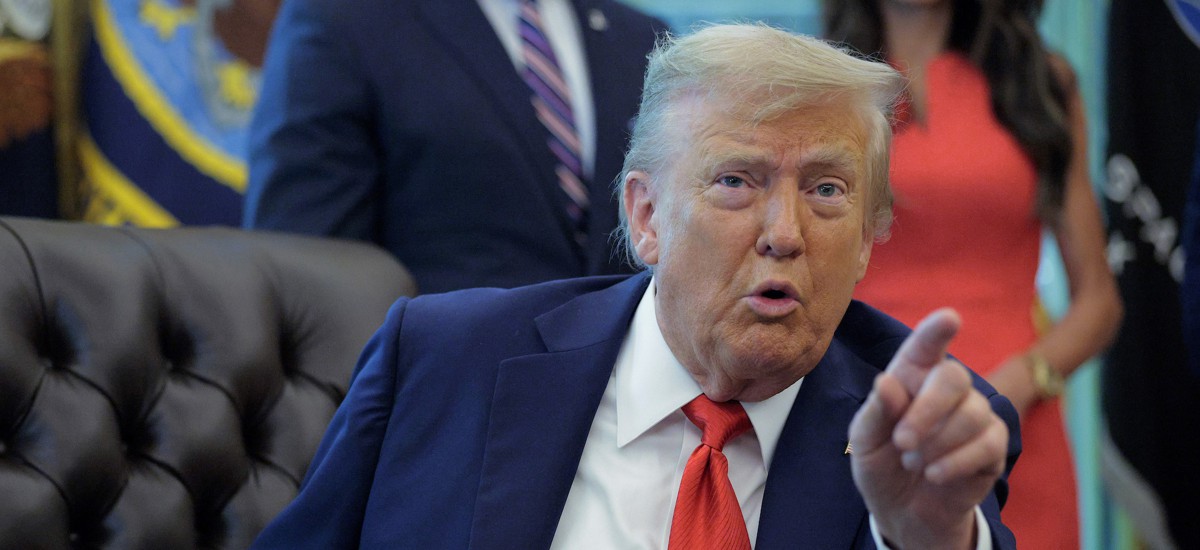
Image Credit: Government Executive
Why the Administration Chose 1%
The Trump administration framed the increase as a balanced approach to federal compensation, emphasizing fiscal responsibility while recognizing the contributions of government workers. Officials argued that larger raises would add significant pressure to the federal budget, potentially requiring cuts elsewhere or further deficit spending.
Budget analysts note that a 1% raise translates into a relatively small increase in overall federal payroll expenses, helping the government avoid larger funding gaps at a time when many agencies are already operating under constrained budgets.
Reactions From Federal Employee Groups
Federal employee unions and advocacy groups reacted with disappointment to the announcement. Many argued that the 1% raise is insufficient given the cost of living increases experienced over the past few years, and that it undermines efforts to retain skilled workers in competitive job markets.
Some spokespersons called on Congress to intervene or consider supplemental legislation that would increase pay raises for federal workers beyond what the executive branch has proposed.
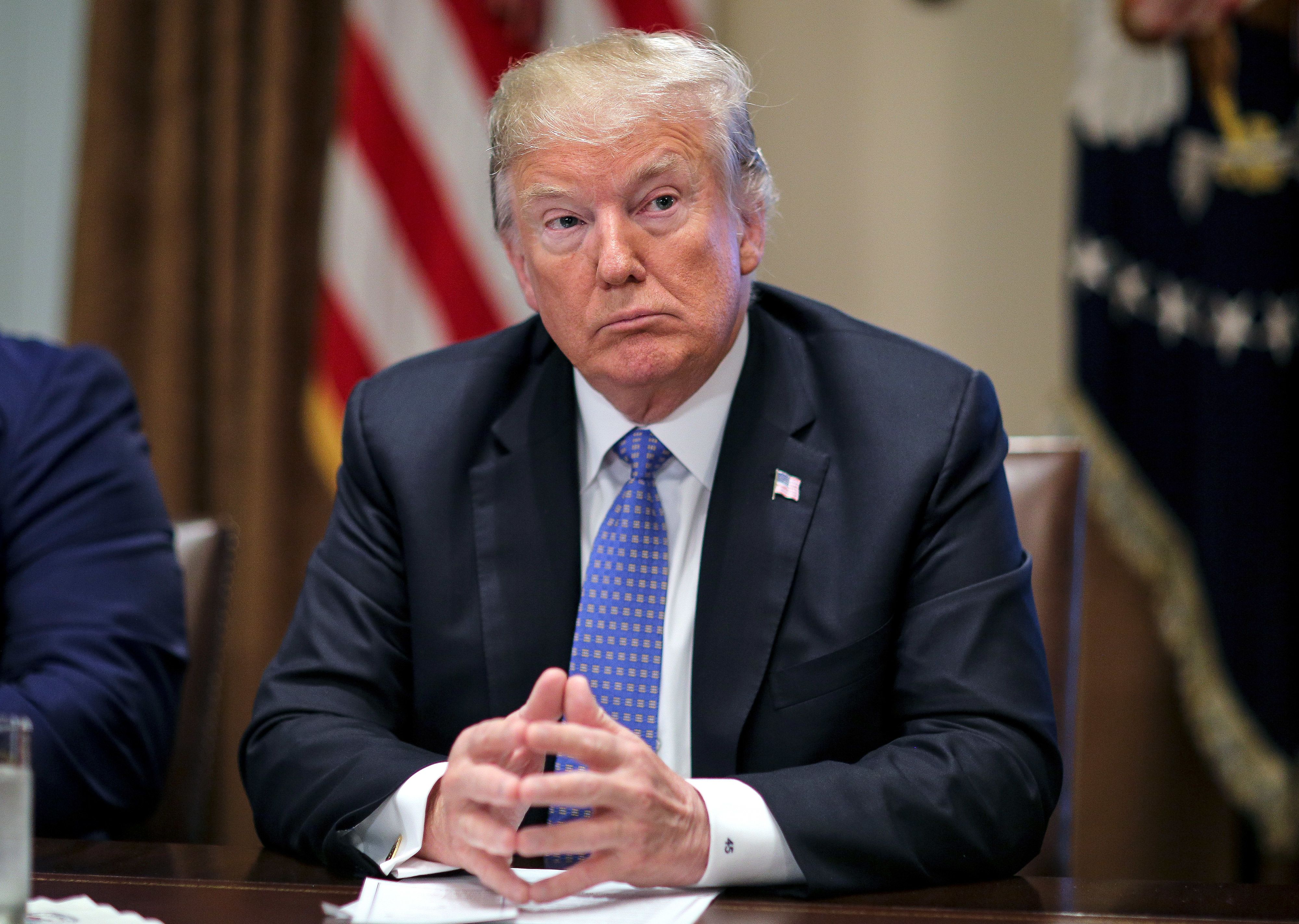
Image Credit: CNN
Supporters Highlight Fiscal Caution
Supporters of the move, including some conservative lawmakers and budget watchdog groups, praised the administration for avoiding more aggressive raises that could exacerbate federal spending concerns. They argue that maintaining a lean fiscal stance is crucial given rising debt levels and long-term budget challenges.
In their view, even a modest raise demonstrates respect for federal employees without sacrificing broader economic stability.
How It Compares to Previous Years
Federal pay raises have varied over recent administrations, with some years seeing higher percentage increases and others seeing freezes or minimal adjustments. A 1% raise is on the lower end of recent trends, particularly at a time when many private-sector wages have grown at faster rates.
Economists point out that lagging public-sector wages can affect recruitment and retention, potentially creating staffing challenges for agencies that compete with the private sector for talent.
Image Credit: AP News
What’s Next
The pay raise must be implemented through the federal budgeting process, and final details will be reflected in the 2026 federal pay schedule. Some federal agencies may also provide additional locality adjustments or bonuses that impact overall compensation.
Federal workers and their representatives are expected to continue pressing for higher increases in future years, particularly as broader economic conditions evolve.
Published by HOLR Magazine