


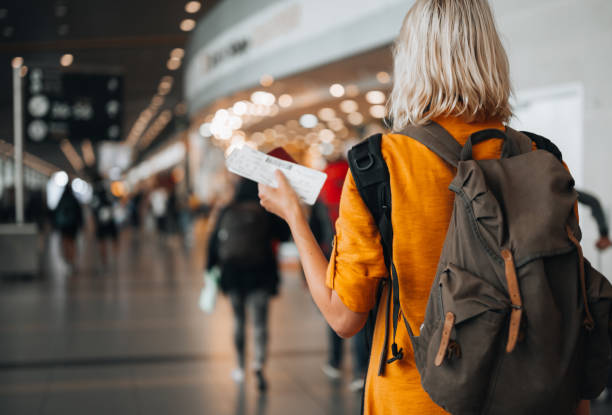
Getting ready for a flight involves more than just throwing clothes into a bag. You need to verify several details to avoid getting stuck at the gate. Small oversights can ruin a trip before the plane even leaves the ground. Staying organized helps you move through the terminal with less stress. It keeps your mind clear for the adventures that wait at your destination.

Prepare Your Documents
Verify that your identification is valid well before you head to the terminal. A university travel update notes that by May 2025, adults will need a REAL ID to fly within the country. This change affects how you prepare for security checkpoints. Having your papers in order avoids extra costs and delays.
Travelers who lack the right identification might face new challenges soon. A recent seminar highlighted that passengers without proper ID in 2026 might face a $45 fee for identity verification. This service provides a modernized way to confirm who you are if you forget your license. It is better to have your current documents ready to avoid these fees.
Plan Ground Transportation
Navigating a new city is easier when your ride is already arranged. Booking a sydney airport car hire allows you to skip the stress of public transport. Since your vehicle is ready, you can head straight to your destination. Planning your arrival logistics ahead of time creates a seamless experience.
Relying on taxis or ride shares can be unpredictable during peak hours. You might wait for 30 minutes or more just to find an available driver. Reserving a car gives you control over your schedule. It means you can start your vacation or business meeting without unnecessary interruptions.
Organize Your Laptop
Small steps can protect your most valuable items from getting lost. An airport security guide suggests sticking an ID label on the bottom of your laptop. This helps you identify your computer if someone else has the same model. It reduces the risk of accidental exchanges during the rush of the screening process.
Losing a device can disrupt your entire work week or personal life. Most laptops look identical when they come out of the grey plastic bins. A simple sticker or business card makes yours stand out. It provides a quick way for staff to contact you if you leave it behind.
Follow TSA Bin Rules

Preparation is the best way to speed through the checkpoint. The federal security agency states that electronics larger than a phone must go in a bin alone. Nothing should be placed on top of these items during the X-ray scan. This practice allows the staff to see the internal components clearly.
Lines move much more slowly when passengers forget to unpack their bags. Taking your tablet or laptop out early saves time for everyone in the queue. You can keep your smaller items – like keys or phones – inside your carry-on if they are small enough. Following these rules prevents the need for a second manual bag search.
Learn About Flight Safety
Many people feel a bit of anxiety when the plane starts to taxi toward the runway. A global air transport group mentions that 130,000 flights land safely every single day. This statistic shows just how rare incidents really are in modern aviation. Seeing the numbers helps calm your nerves before takeoff.
Modern planes are built with multiple backup systems to handle various situations. Pilots undergo hundreds of hours of training to manage any event that might happen in the air. Understanding the scale of safe travel makes the experience more comfortable. It serves as a reminder of the massive success of the global flight network.
Master Your Suitcase Space
Lighter bags are easier to carry through large terminals and up narrow stairs. A travel blog for students suggests that 3 pairs of shoes are plenty for any trip.
- Wear your heaviest boots on the plane to save space.
- Pack a pair of sneakers for daily excursions.
- Include one dressy option for special dinners or events.
This approach keeps your luggage weight low and manageable for long walks. It leaves plenty of room for items you might buy while you are away. Overpacking often leads to extra fees at the check-in counter.
Packing Methods
Using packing cubes helps organize your clothes by category or day. You can squeeze more items into a small space by rolling your shirts instead of folding them. This technique also helps prevent deep wrinkles in your favorite outfits. Keeping your bag organized makes it easier to find what you need without making a mess.
Weight Limits
Check the weight limit for your specific airline before you leave home. Most carriers allow 50 pounds for checked bags on international routes. Going over this limit can cost $100 or more in extra fees. Weighing your bag on a home scale prevents surprises at the airport.
Double-checking your plans makes every trip more enjoyable. You avoid the stress of forgotten items or expired documents. Taking a few minutes to review the rules ensures your time in the air is spent relaxing. Once you settle into your seat, you can rest easy knowing you handled the details. Your adventure starts the moment you walk through those terminal doors.
Published by HOLR Magazine.