


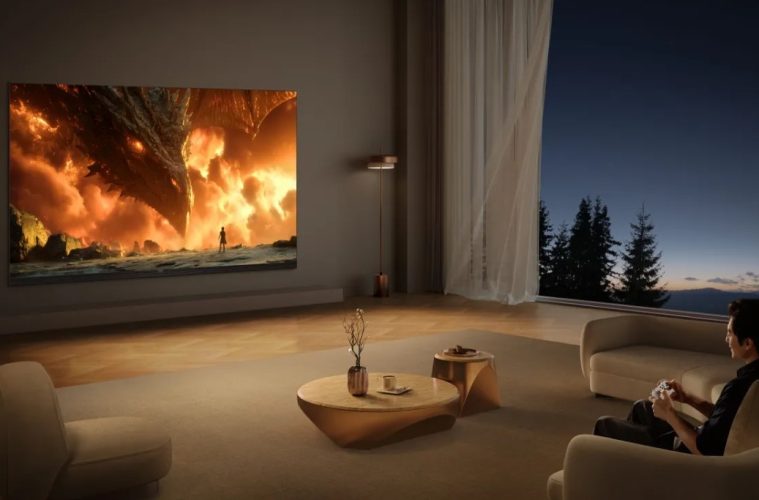
Features like 240Hz and 288Hz modes are changing how competitive gamers approach display settings, offering smoother gameplay and faster responsiveness in fast-paced titles.
Competitive Players Are Chasing Every Possible Advantage
June 20, 2026 – For competitive PC gamers, winning often comes down to fractions of a second.
While powerful graphics cards and gaming peripherals frequently grab the spotlight, display technology has become just as important. Higher refresh rates, lower latency, and variable refresh rate technologies are increasingly influencing how players experience games such as Counter-Strike 2, Valorant, Call of Duty, and Fortnite.
Recently, discussions surrounding ultra-high refresh rates have intensified following the emergence of gaming displays capable of switching between resolutions and achieving refresh rates as high as 288Hz and beyond. According to gaming reports, these modes are designed to prioritize speed and responsiveness over maximum image resolution.
Rather than being limited to professional esports players, these features are becoming more accessible to everyday gamers.
Why Refresh Rate Matters More Than Many Gamers Realize
Refresh rate refers to how many times a display updates each second.
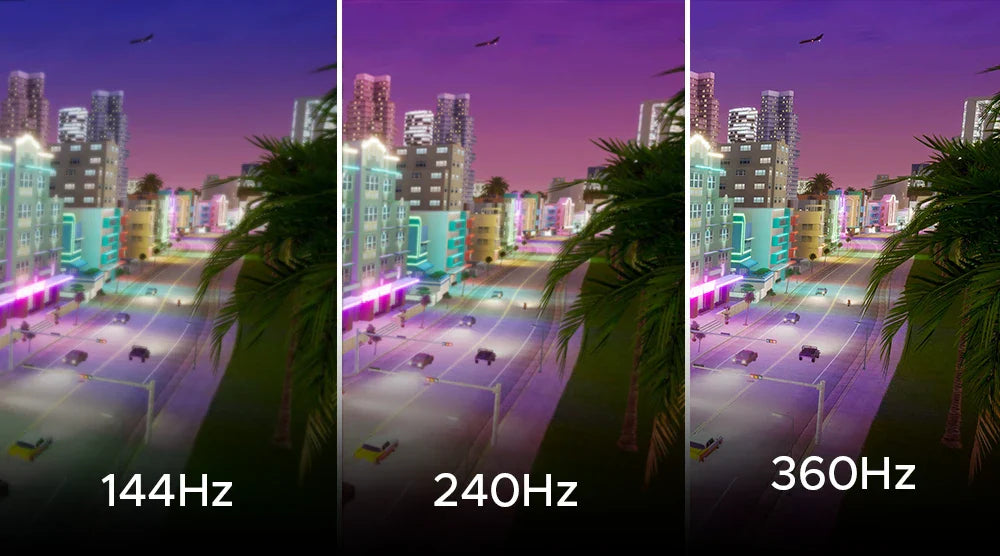
A standard 60Hz screen refreshes 60 times per second, while a 144Hz display refreshes 144 times. Higher refresh rates generally create smoother motion and can make fast-moving objects easier to track.
For competitive games, that smoother image can translate into quicker reactions and more accurate aiming.
The jump from 60Hz to 120Hz or 144Hz is often considered one of the most noticeable upgrades for gamers. However, many enthusiasts argue that moving from 144Hz to 240Hz or even 288Hz provides additional advantages, especially in fast-paced shooters.
The Rise of Dual-Mode Gaming Displays
Modern gaming displays are beginning to offer dual-mode functionality.
These technologies allow users to prioritize image quality or competitive performance depending on the type of game they are playing.
For example, some displays can operate in 4K resolution for cinematic single-player experiences and then switch to lower resolutions while significantly increasing refresh rates for multiplayer titles. Reports surrounding TCL’s 288Hz Game Accelerator mode highlight this growing trend among manufacturers.
The idea is simple: not every game requires maximum visual fidelity.
Competitive players often value responsiveness above all else.
Does 288Hz Really Make a Difference?
The answer largely depends on the type of gamer.
Casual players who enjoy story-driven adventures may not notice dramatic improvements beyond 120Hz. However, esports enthusiasts who spend hundreds of hours in titles like Valorant or Counter-Strike 2 often report that higher refresh rates help improve tracking and overall smoothness.
Professional esports tournaments have increasingly adopted 240Hz and 360Hz displays, demonstrating the industry’s emphasis on responsiveness.
That said, refresh rate alone does not guarantee better performance.
Gamers must also ensure their PCs are capable of producing frame rates high enough to take advantage of those displays.
Graphics Cards Must Keep Up
A 288Hz display is only beneficial if the system itself can deliver enough frames.
Modern graphics cards from NVIDIA and AMD are becoming increasingly capable of producing extremely high frame rates in esports titles, especially when running at 1080p.
Many competitive gamers intentionally reduce graphical settings to maximize performance.
By lowering shadows, effects, and texture quality, players can push frame rates well above 200 FPS, allowing them to benefit from ultra-high refresh-rate displays.
Without sufficient hardware power, however, much of the advantage disappears.
Other Features Are Equally Important
Refresh rate is only one part of the equation.
Features such as:
- Variable Refresh Rate (VRR)
- AMD FreeSync
- NVIDIA G-Sync
- Auto Low Latency Mode (ALLM)
- HDMI 2.1 support
- Input lag reduction
can all contribute to a smoother gaming experience. Manufacturers including TCL and others have increasingly incorporated these technologies into gaming-oriented televisions and monitors.
These features help minimize screen tearing, reduce latency, and ensure smoother frame delivery during demanding gameplay.

Credit: TCL
Consoles and PC Gamers Have Different Needs
Although consoles like the PlayStation 5 and Xbox Series X support 120Hz gaming, refresh rates above 144Hz primarily benefit PC gamers.
Most console titles are capped at 60 FPS or 120 FPS, meaning displays capable of 240Hz or 288Hz offer limited advantages for console users.
PC gamers, meanwhile, have more flexibility and can tailor settings to maximize frame rates.
As a result, ultra-high refresh-rate displays are becoming increasingly popular among esports players and enthusiasts.
The Gaming Industry Continues to Push Higher Numbers
The pursuit of higher refresh rates shows no signs of slowing down.
Manufacturers have already introduced monitors capable of reaching 360Hz and even 500Hz under certain conditions.
At Summer Game Fest 2026, several gaming displays showcased dual-mode technologies capable of switching between 4K resolutions and extremely high refresh rates, demonstrating where the industry is headed.
Whether average gamers truly need such specifications remains a topic of debate.
However, the trend illustrates how seriously manufacturers are targeting competitive audiences.
Why Gamers Are Paying More Attention to Display Technology
For years, gamers focused primarily on CPUs and graphics cards.
Today, displays have become equally important.
Smooth motion, low latency, and responsive gameplay can often provide a more noticeable improvement than raw graphical power alone.
As technologies such as 240Hz and 288Hz modes become more widespread, players are increasingly realizing that the screen itself can influence performance just as much as the hardware inside the PC.
Final Thoughts
Ultra-high refresh rates are no longer reserved exclusively for professional esports players.
As gaming technology evolves, features like 240Hz and 288Hz modes are becoming more accessible and are helping redefine what competitive gamers expect from their displays.
While not every player needs such extreme performance, those who prioritize speed and responsiveness may find that higher refresh rates provide a genuine advantage.
Ultimately, the best gaming setup depends not only on powerful hardware but also on choosing the right display for the games you play.
FAQs
Why are higher refresh rates important for gaming?
Higher refresh rates create smoother motion and can improve responsiveness, which is especially valuable in competitive games.
Is 288Hz better than 144Hz?
For competitive players, 288Hz can provide additional smoothness and responsiveness. Casual gamers may notice less of a difference.
Do consoles benefit from 288Hz displays?
Not significantly. Most PlayStation 5 and Xbox Series X games are limited to 120Hz.
Can any PC run games at 288Hz?
No. Your graphics card and processor must be powerful enough to generate frame rates approaching 288 FPS.
What games benefit most from ultra-high refresh rates?
Titles such as Counter-Strike 2, Valorant, Call of Duty, Fortnite, and other esports games benefit the most.
Are high refresh rates more important than 4K resolution?
For competitive gamers, responsiveness often matters more than visual quality. Story-driven players may prefer higher resolutions instead.
Published by HOLR Magazine