


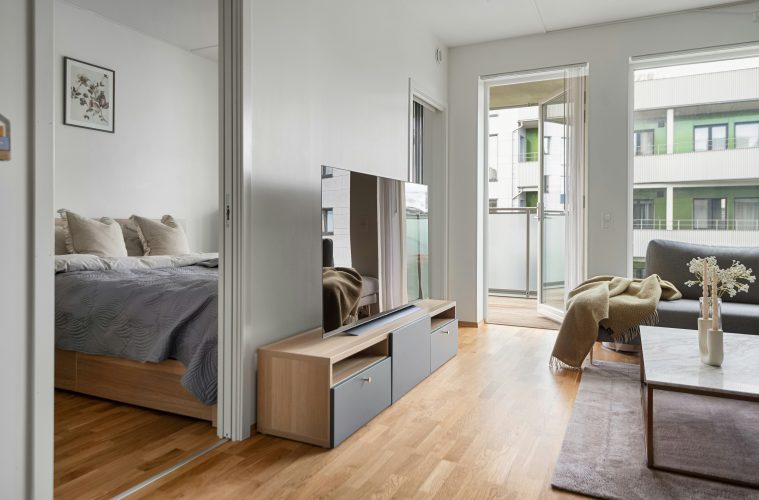
The way we think about relocating has undergone a massive shift over the last few years. It is no longer just about following a paycheck or finding a bigger backyard; it is about a radical reassessment of what we want our daily existence to look like. When you decide to find your next apartment in today’s world, you are likely looking for more than just four walls and a roof. You are looking for a sanctuary that fits your mental health, your hobbies, and your need for a shorter commute or better air quality. Moving has become an intentional act of self-care where the geography of our lives finally aligns with our internal values.

The Shift From Obligation to Intention
For decades, the standard narrative was simple: you went where the work was. If a promotion required moving across the country, you packed your boxes and went. But the modern lifestyle is built on a different set of priorities. We are seeing a rise in “lifestyle-first” moves where people prioritize the following:
- Proximity to nature
- Sound community vibes
- A specific climate over a corporate ladder
This intentionality stems from a realization that our environment dictates our mood and productivity. When we choose a location based on how it makes us feel, we are reclaiming agency over our time and energy.
Flexibility as the New Currency
The rise of hybrid and remote work has essentially untethered millions of people from the traditional office hub. It has given many workers newfound freedom. In turn, this has turned the moving process into a creative endeavor. People are no longer limited to the suburbs of a major city; they are exploring mid-sized gems and revitalized urban centers.
For instance, the demand for Covington apartments is on the rise. This shows that people are seeking out areas that offer a blend of historic charm and modern convenience sans the suffocating density of a mega-metropolis. This flexibility allows individuals to design a week that includes a morning walk in a quiet neighborhood rather than an hour stuck in gridlock.
Redefining the Meaning of Home
Home used to be the place you returned to after a long day out in the world. Now, for many, it is the world. It serves as an office, a gym, a social club, and a place of rest. Because our homes are doing so much heavy lifting, we are rethinking the physical layouts we need.
We are seeing a move toward “warm minimalism” and spaces that prioritize natural light and acoustic wellness. People are looking for homes that act as nervous system regulators, offering a sense of calm in an increasingly loud digital age. The decision to move is often a decision to find a space that actually supports these diverse needs rather than just tolerating a cramped kitchen or a dark living room.
Wellness and Identity in Every Zip Code
Our address has always been a part of our identity. Today, it has also evolved to reflect our personal philosophy. For example, choosing a walkable neighborhood says something about your commitment to sustainability and health. In the meantime, moving closer to family or a tight-knit friend group highlights a shift toward prioritizing “social capital” over financial gain.
We are seeing a trend in which “slow living” is not just a social media aesthetic but a practical approach to moving. People are moving to places where they can actually breathe. A place with the pace of life that matches their own vibe is the priority. Feeling a genuine sense of belonging to the local culture also matters tremendously.

Final Word
Ultimately, the reason we are rethinking how we move is that we are rethinking how we want to live. It is a beautiful thing to see so many taking the leap. If you’re in this to find your next apartment, doing so with a clear vision of your future happiness is key to a happy home. Whether it is driven by a career shift or a simple desire for more sunlight, every move is a chance to start a new chapter that feels more like home.
Published by HOLR Magazine.