


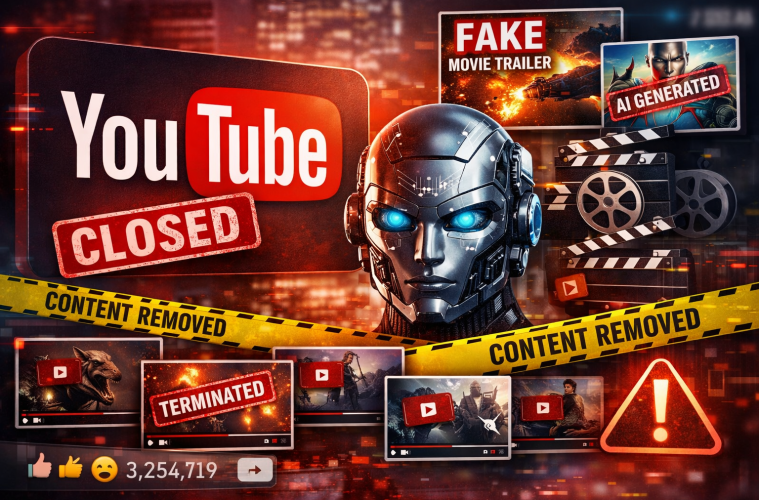
YouTube removes channels creating AI-generated fake movie trailers that racked up millions of views
Crackdown on Synthetic Content Goes Mainstream
December 18, 2025 — YouTube has begun shutting down a wave of channels that used artificial intelligence to create fake movie trailers that garnered millions of views, signaling a major policy enforcement against misleading AI-generated content. The move marks a significant step by the video platform to curb deceptive practices and protect intellectual property as AI tools make it easier than ever to produce convincing but unauthorized video content.
Creators and viewers alike were surprised by the sudden removal of popular channels that had amassed massive audiences by showcasing AI-crafted previews of films that never actually existed — or that had nothing to do with official studios. YouTube’s decision underscores growing concerns in the entertainment and tech industries about authenticity, copyright infringement, and the ethical use of generative AI.
Image Credit: Android Police
YouTube’s Enforcement and Community Guidelines
YouTube said in a statement that the affected channels were found to violate its policies on misleading metadata and impersonation, particularly content that could confuse viewers into believing the trailers were legitimate previews from major studios. While AI tools have empowered creators to experiment with new formats, YouTube appears to be drawing a line around content that appropriates real film franchises and misleads audiences.
Under the platform’s current Community Guidelines, content that misrepresents itself as official promotional material without authorization is subject to removal. YouTube’s enforcement action included issuing strikes, demonetizing channels, and ultimately taking down several high-traffic accounts.
Industry insiders suggest this is just the beginning of heightened scrutiny around synthetic media on major platforms.
Image Credit: The Times of India
Channels That Built Massive Audiences
Some of the shuttered channels had developed loyal followings, racking up millions of views on trailers that blended familiar franchise elements with entirely new narratives. Viewers were often impressed by the slick production quality and convincing visuals — a testament to how powerful AI models have become at generating content that looks and feels professional.
However, fans were frequently unaware that such trailers were neither studio sanctioned nor reflective of actual upcoming films. In many cases, the creators had used popular intellectual property without permission, a practice that raised red flags among rights holders.
The crackdown has left many subscribers confused and disappointed, while also igniting debate over the limits of creative AI use.
Studios and Copyright Holders Weigh In
Representatives from major studios have publicly applauded YouTube’s enforcement, emphasizing that unauthorized AI-generated trailers can dilute brand value and mislead consumers. Hollywood studios rely on carefully planned marketing campaigns, and unapproved content — even when fan-made — can interfere with box office expectations and audience perception.
Some rights holders have reportedly been in direct communication with YouTube, flagging AI-generated content that uses trademarks, characters, or story elements from existing properties. YouTube’s actions reflect a growing willingness to act on behalf of copyright owners in the age of synthetic media.
Creators Push Back, Call for Clearer Rules
Not all reactions have been supportive. Some creators whose channels were removed argue that their work falls under fair use or constitutes creative fan art. They contend that AI-generated trailers can celebrate fandom and creativity rather than deceive audiences.
Those affected have called on YouTube to establish clearer guidelines regarding AI-assisted content and to differentiate between harmful deception and legitimate artistic expression. The debate highlights a broader tension between technological innovation and platform policy — one that many digital creators say must be addressed with nuance.
The Rise of AI-Generated Video Content
The controversy comes as AI image and video tools become increasingly advanced and accessible. Tools capable of synthesizing realistic scenes, voices, and motion have lowered the barrier for anyone to produce high-quality visual content, blurring the line between amateur and professional work.
While some creators use these tools for humor, satire, or original storytelling, others have exploited recognizable franchises to attract clicks and ad revenue. YouTube’s recent actions suggest that platforms will begin applying traditional copyright and authenticity standards to AI-generated work more rigorously.
What This Means for YouTubers and Platforms
For YouTubers, the take-downs serve as a reminder that popularity does not grant immunity from platform rules or copyright law. Channels that grew by leveraging unlicensed content — even when AI-generated — are now seeing real consequences.
Platforms like YouTube are under pressure from rights holders, advertisers, and regulators to maintain trust and transparency. As generative AI continues to evolve, tech companies are being forced to balance innovation with responsibility, ensuring users are not misled by synthetic media that mimics real promotional materials.
A Turning Point for AI and Media Ethics
YouTube’s crackdown could set a precedent for other platforms facing similar challenges. TikTok, Instagram, and X have also grappled with synthetic content and deepfake concerns, but few have taken such decisive action against monetized AI creations tied to well-known franchises.
Policy experts suggest that this moment may push platforms and lawmakers to update digital content standards and consider new frameworks for AI accountability.
Looking Ahead
As the dust settles, the key question remains: how will platforms regulate AI-generated content without stifling creativity? YouTube’s current approach leans toward strict enforcement where rights and authenticity are concerned, but the broader industry conversation is still unfolding.
For now, creators and viewers alike are watching closely, aware that the rules governing AI media are being written in real time — with significant implications for the future of online content creation.
Published by HOLR Magazine