


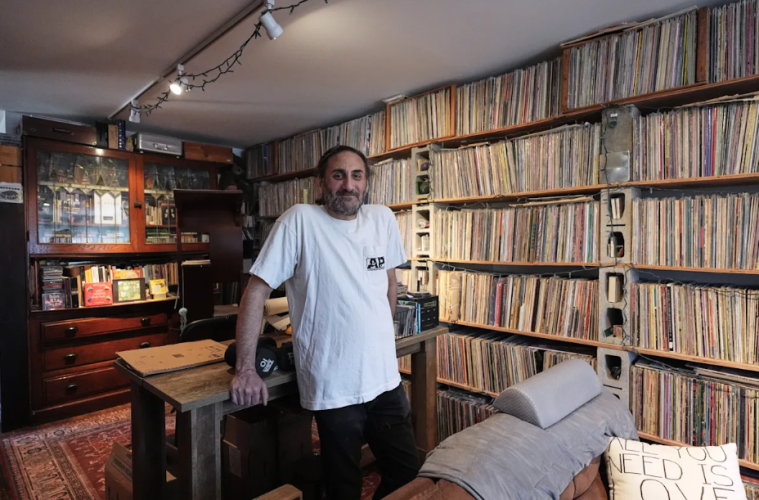
Volunteers preserve one fan’s massive live music collection for generations
A Lifelong Passion Turned Public Treasure
April 08, 2026 – A remarkable archive of live music history is now available online after volunteers helped preserve and digitize one fan’s extraordinary collection of more than 10,000 concert recordings. The effort has transformed decades of personal passion into a publicly accessible resource, giving music lovers and historians alike access to a vast catalog of live performances that might otherwise have been lost to time.
The recordings belonged to concert enthusiast and taper Mike Millard, whose name has become legendary among collectors for his dedication to capturing high-quality live performances throughout the 1970s and 1980s. His recordings documented performances from some of the most iconic artists in music history, preserving moments that many believed would remain hidden in private collections forever.
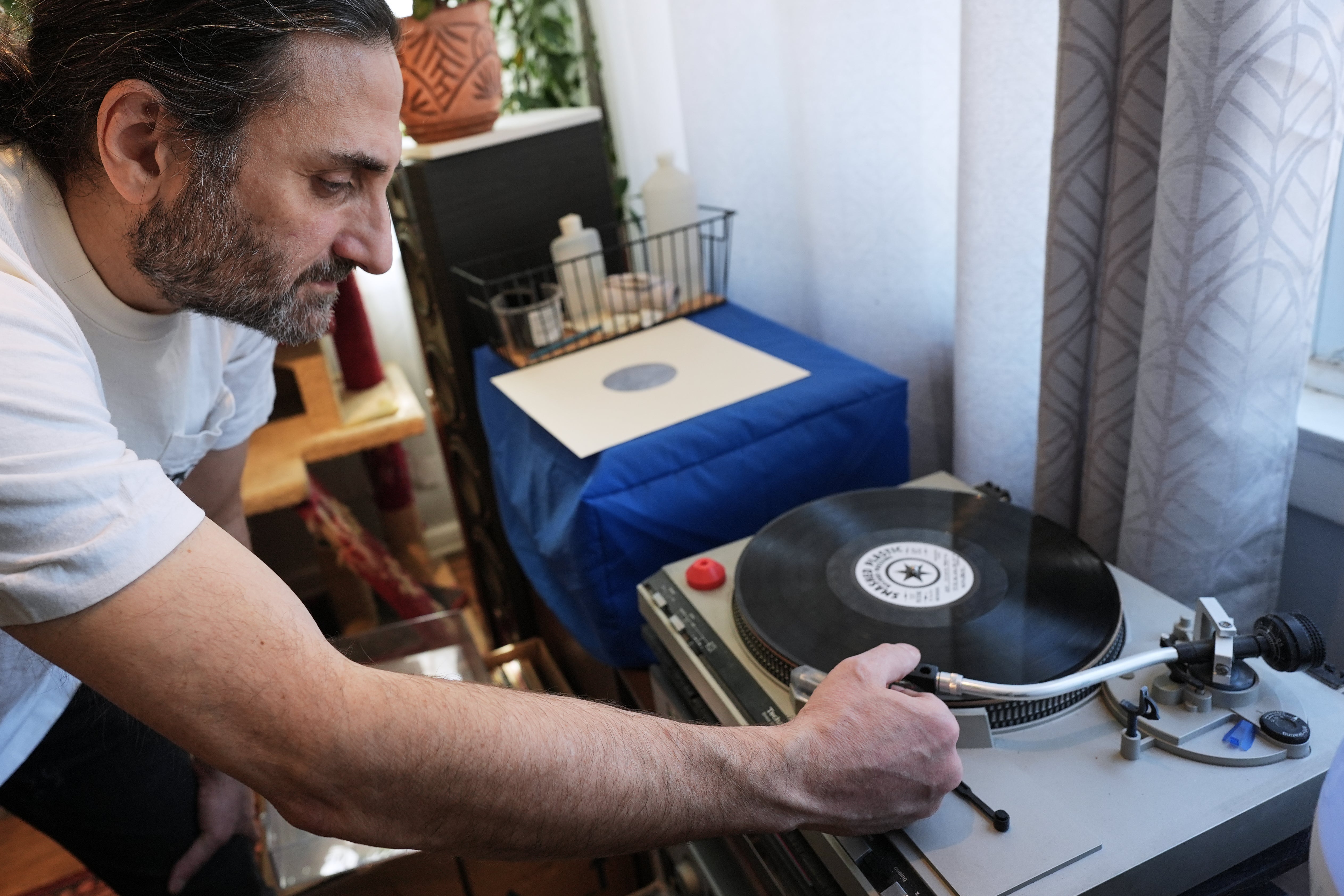
Image Credit: AP Photo
Who Was Mike Millard?
Mike Millard was not a professional music journalist or industry insider—he was simply a devoted fan with an extraordinary passion for live music and audio recording. Over the course of many years, he attended countless concerts and secretly recorded performances with impressive technical precision.
Millard gained underground recognition among collectors because of the exceptional sound quality of his bootleg tapes. Unlike many amateur recordings from the era, his tapes often sounded remarkably clear and balanced, making them highly sought-after among dedicated music fans.
Though he passed away in 1994, Millard’s recordings continued circulating informally for years, becoming legendary among collectors and bootleg enthusiasts.
The Volunteer Preservation Effort
The recent effort to digitize and archive the recordings was led by volunteers who recognized the cultural and historical value of Millard’s work. These volunteers spent years organizing, restoring, and uploading thousands of recordings to make them available to the public online.
The process was painstaking, involving the transfer of aging cassette tapes and master recordings into digital formats before physical degradation could destroy them permanently. Many older tapes were reportedly deteriorating, creating urgency around preservation efforts.
Without this volunteer initiative, much of the archive may have eventually become unplayable or lost altogether.
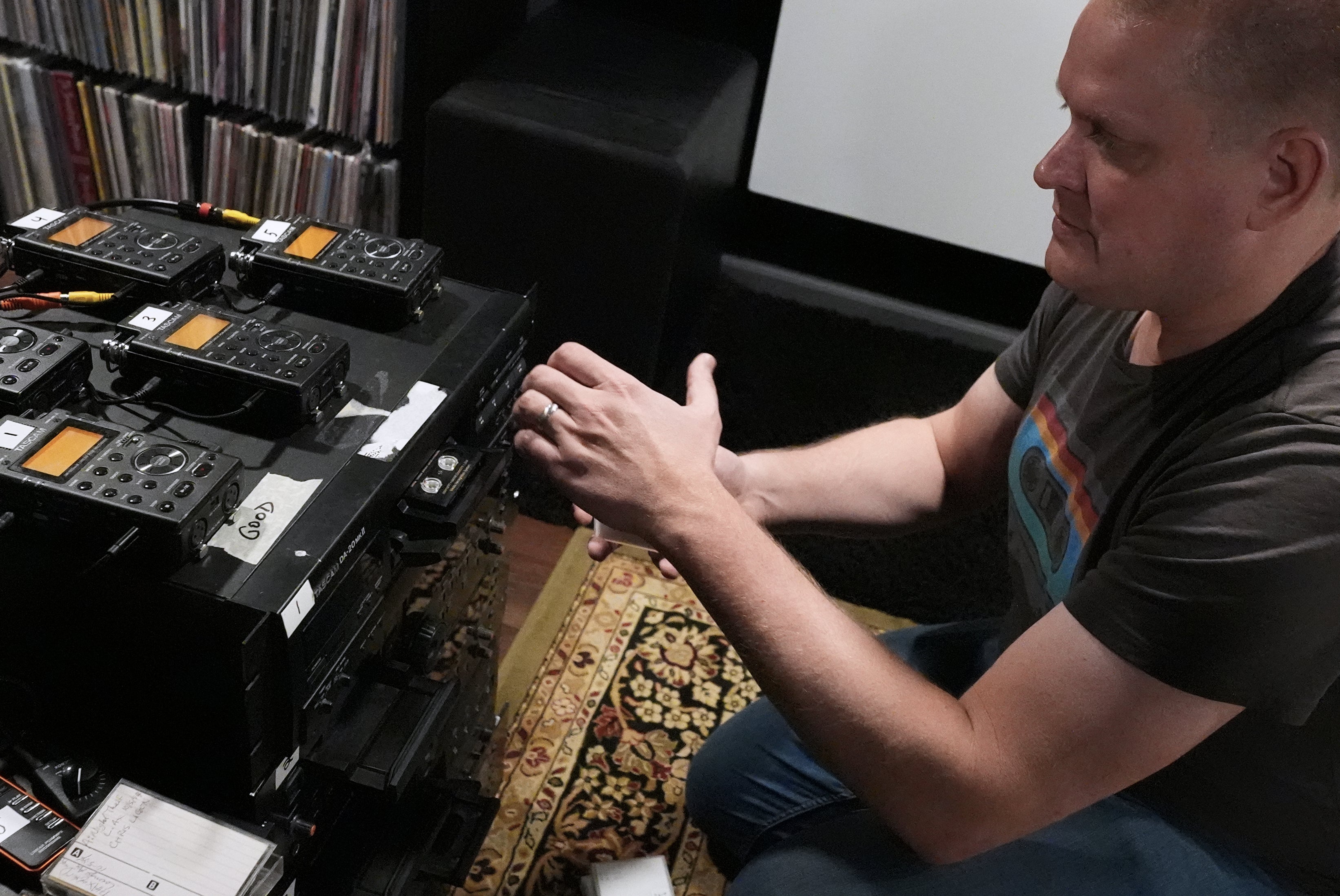
Image Credit: AP Photo
Why These Recordings Matter
The significance of the archive goes far beyond nostalgia. Live recordings provide unique historical snapshots of artists at specific moments in their careers, often capturing performances, improvisations, or arrangements not heard on official releases.
For music historians, these recordings offer insight into how artists evolved over time and how audiences experienced concerts during a particular era. For fans, they provide access to once-in-a-lifetime performances from artists who may no longer tour—or may no longer be alive.
In many cases, these recordings preserve concerts that were never officially documented elsewhere.
Artists Featured in the Collection
Millard’s archive reportedly includes performances from some of the biggest names in rock and popular music, including Led Zeppelin, Queen, David Bowie, Pink Floyd, and many others.
Because Millard attended so many major concerts during a golden era of live rock music, his recordings collectively represent one of the most extensive fan-made archives of classic live performances ever assembled.
For many fans, hearing these recordings offers a rare opportunity to experience legendary artists in their prime.
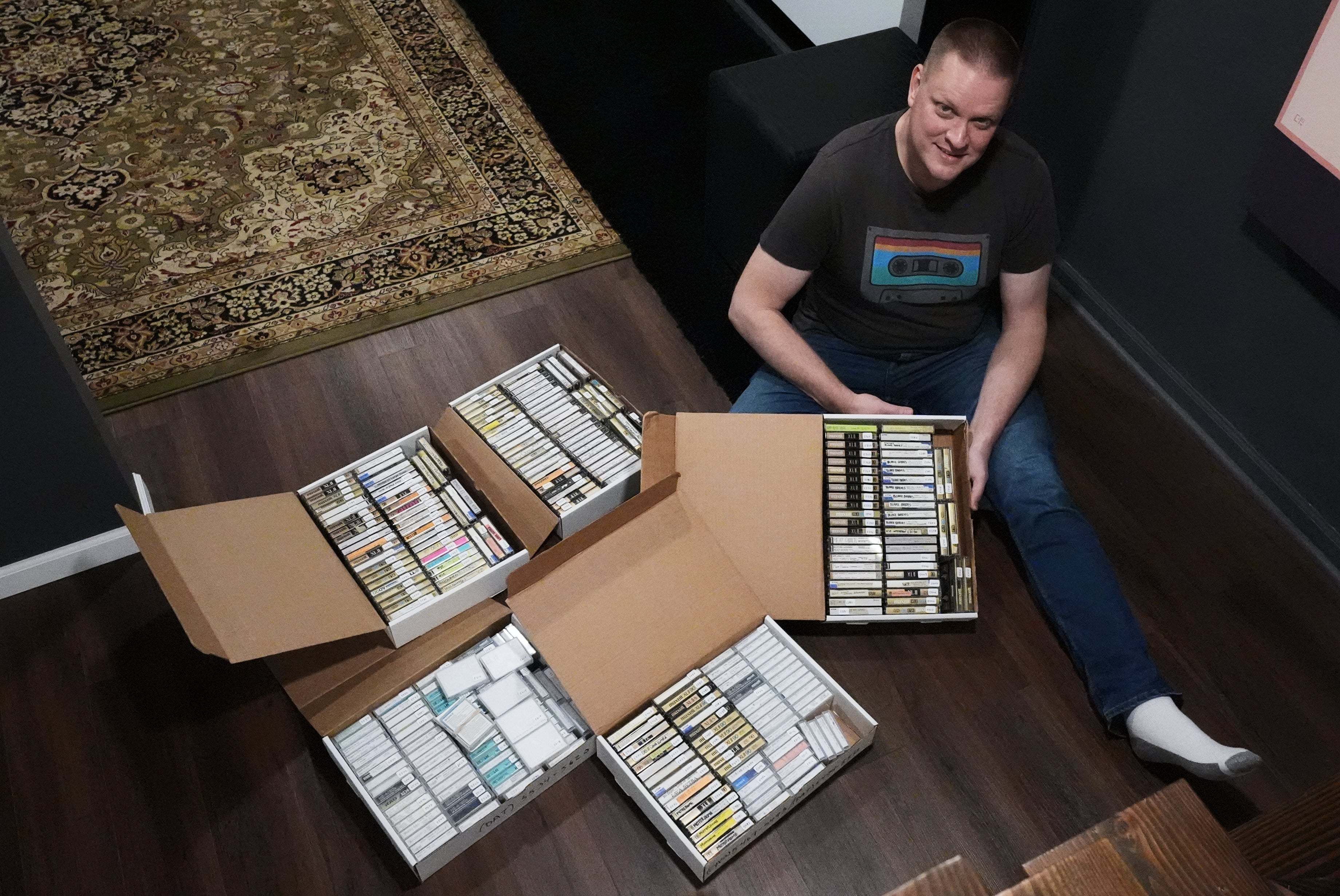
Image Credit: AP Photo
The Ethics of Bootleg Preservation
The archive also raises interesting questions about the ethics of preserving unofficial recordings. Historically, bootlegging has existed in a legal and moral gray area, with artists and record labels often objecting to unauthorized recordings.
However, in cases like this, preservationists argue that the historical value outweighs those concerns—especially when recordings document performances never otherwise released.
Many now see fan-made archives like Millard’s not as piracy, but as an important form of cultural preservation.
The Internet as a Preservation Tool
The project also highlights the growing role of the internet in preserving cultural history. Platforms that allow digital archiving make it easier than ever to store, organize, and share rare materials with global audiences.
Without digital technology, collections like Millard’s would likely remain trapped in private storage or degrade over time. Instead, they can now be enjoyed by future generations of fans, researchers, and musicians.
This transformation from physical tape boxes to searchable online archive reflects a broader shift in how history is preserved in the digital age.

Image Credit: AP Photo
A Community Effort Fueled by Passion
Perhaps most inspiring is the fact that the project was completed largely by volunteers. People with no corporate backing or financial incentive gave their time simply because they believed the recordings deserved preservation.
That passion reflects the same dedication Millard himself showed when originally creating the archive. In many ways, the volunteers’ work mirrors his own love for music and preservation.
Final Thoughts
The preservation of Mike Millard’s 10,000 concert recordings is more than just an archival project—it is a testament to the enduring power of fandom, community, and music history. What began as one man’s personal passion has become a priceless public resource, giving the world access to decades of live performances once hidden away in tape boxes.
Thanks to dedicated volunteers, a treasure trove of musical history will now live on online for future generations to discover, study, and enjoy.
FAQs
Q1: Who recorded the 10,000 concerts?
The recordings were made by legendary concert taper Mike Millard.
Q2: Why are the recordings important?
They preserve historic live performances that were never officially released.
Q3: Who digitized the archive?
A group of volunteers worked to restore and upload the recordings online.
Q4: What artists are included?
The archive includes artists like Led Zeppelin, Queen, David Bowie, and Pink Floyd.
Q5: Why is this archive significant?
It provides a rare historical record of live music performances from past decades.
Published by HOLR Magazine