


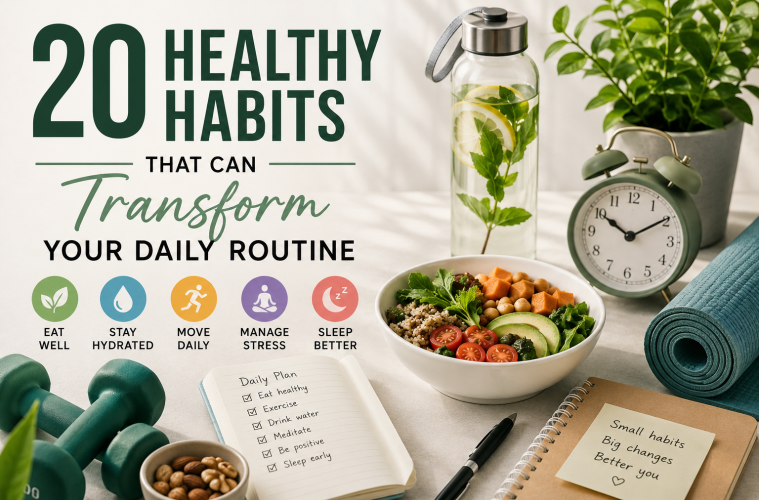
July 25, 2026: It’s easy to believe that living a healthier life requires a complete transformation. Social media often promotes intense workout plans, restrictive diets, and complicated wellness routines that promise quick results. While these trends may look appealing online, they rarely reflect what sustainable health actually looks like.
The truth is that lasting wellness is usually built through simple habits repeated consistently over time. The choices you make each day—how you sleep, what you eat, how often you move, and even how you manage stress—can have a greater impact on your long-term health than occasional bursts of motivation.
Healthy habits don’t need to be perfect to make a difference. Drinking an extra glass of water, choosing to walk instead of drive, or setting aside a few minutes to unwind before bed may seem small, but these actions accumulate over weeks, months, and years.
Modern life has also become increasingly demanding. Many people juggle busy careers, family responsibilities, social commitments, and endless digital distractions, leaving little time to prioritize personal well-being. As a result, healthy habits often become the first thing people sacrifice when life gets busy.
However, wellness isn’t about adding more pressure to your schedule. Instead, it’s about creating routines that naturally fit into your lifestyle while supporting both your body and mind.
HOLR breaks down the daily habits that health professionals consistently recommend for improving overall well-being without making life feel overwhelming.

Image Credit: andreaarcusa.com
The Secret to Lasting Wellness Isn’t Perfection—It’s Consistency
One of the biggest misconceptions about healthy living is the belief that every day has to be perfect.
Many people begin a new wellness routine with enthusiasm, only to give up after missing a workout or enjoying an indulgent meal. This “all-or-nothing” mindset often prevents long-term success because it focuses on perfection rather than progress.
Research in behavioral psychology suggests that habits become sustainable when they are realistic and easy to repeat. Instead of setting unrealistic goals, successful lifestyle changes often begin with small adjustments that gradually become automatic.
Walking for twenty minutes every day is more sustainable than attempting a two-hour workout once a week. Preparing balanced meals most of the time is far more realistic than following an overly restrictive diet that feels impossible to maintain.
Consistency builds momentum, and momentum builds lasting habits.
When healthy choices become part of your daily routine rather than temporary challenges, they require less mental effort and become part of your lifestyle.
Start Every Morning With Intention
How you begin your morning often influences the rest of your day.
Many people wake up and immediately check emails, scroll through social media, or rush into work without giving themselves time to reset. While it may seem productive, starting the day in a reactive state can increase stress before you’ve even finished breakfast.
Creating a simple morning routine can help establish a sense of calm and focus.
This doesn’t mean waking up at 5 a.m. or following an elaborate wellness ritual. Instead, it could involve drinking a glass of water, stretching for a few minutes, opening the curtains to let in natural light, or sitting quietly while enjoying your morning coffee.
Natural light plays an important role in regulating your body’s internal clock, while hydration helps replace fluids lost during sleep. Gentle movement can also increase circulation and help your body transition into the day more comfortably.
Many wellness experts recommend avoiding your phone for the first few minutes after waking. Giving yourself space before diving into notifications can reduce feelings of overwhelm and create a more mindful start to the morning.
A consistent morning routine doesn’t have to be lengthy. Even fifteen intentional minutes can positively influence your mood, focus, and productivity.

Image Credit: andreaarcusa.com
Food Should Nourish, Not Create Stress
Nutrition has become one of the most confusing areas of modern wellness.
Every week seems to introduce a new superfood, diet trend, or nutrition rule, making healthy eating feel unnecessarily complicated.
In reality, balanced nutrition is often much simpler than online trends suggest.
Instead of focusing on restriction, many registered dietitians encourage adding more nutrient-rich foods to your meals. Fresh vegetables, colourful fruits, whole grains, lean proteins, healthy fats, legumes, nuts, and seeds all provide essential nutrients that support overall health.
Rather than labeling foods as “good” or “bad,” developing a balanced relationship with eating can reduce unnecessary guilt while making healthy habits easier to maintain.
Enjoying your favorite dessert occasionally doesn’t undo an otherwise balanced lifestyle. Likewise, one healthy meal won’t instantly transform your health.
It’s your overall eating pattern that matters most.
Learning to prepare simple, nourishing meals at home can also improve your relationship with food while reducing reliance on highly processed convenience options.
Healthy eating should feel satisfying—not restrictive.
Movement Is About Feeling Better, Not Punishment
Exercise is often associated with weight loss, but its benefits extend far beyond appearance.
Regular physical activity supports heart health, strengthens muscles and bones, improves flexibility, boosts mood, enhances sleep quality, and reduces the risk of numerous chronic health conditions.
Perhaps most importantly, movement can improve mental well-being.
Activities such as walking, cycling, swimming, yoga, dancing, or strength training encourage the release of endorphins, often called the body’s natural “feel-good” chemicals.
The best form of exercise isn’t necessarily the most intense.
It’s the one you’ll continue doing consistently.
Whether that’s taking evening walks with your family, attending a weekly Pilates class, hiking on weekends, or simply choosing the stairs more often, every bit of movement contributes to a healthier lifestyle.
Finding activities you genuinely enjoy makes it far easier to stay active throughout the year.

Image Credit: andreaarcusa.com
Prioritize Sleep as Much as Nutrition and Exercise
When people think about healthy living, sleep is often the first habit to be overlooked. Yet health professionals consistently describe quality sleep as one of the three pillars of wellness alongside nutrition and physical activity.
During sleep, the body performs essential repair processes that support everything from immune function and hormone regulation to memory, concentration, and muscle recovery. Consistently getting too little sleep can affect mood, reduce productivity, increase stress levels, and make it more difficult to make healthy decisions throughout the day.
Creating a healthy sleep routine doesn’t require expensive gadgets or complicated evening rituals. Going to bed and waking up at roughly the same time each day can help regulate your body’s internal clock. Reducing screen time before bed, limiting caffeine later in the day, and creating a calm, comfortable sleeping environment can also make a noticeable difference.
Good sleep isn’t a luxury—it’s one of the most valuable investments you can make in your long-term health.
Don’t Ignore Your Mental Well-Being
Physical health and mental health are deeply connected, yet many people focus on one while neglecting the other.
Modern life moves quickly, and constant notifications, deadlines, and responsibilities can leave little room to slow down. Over time, chronic stress may affect sleep, concentration, digestion, relationships, and even physical health.
Healthy habits should include caring for your emotional well-being as intentionally as you care for your body.
That might mean spending time outdoors after work, reading instead of scrolling before bed, practicing mindfulness, journaling your thoughts, or simply taking ten uninterrupted minutes each day to disconnect from technology.
Healthy relationships also play an important role in mental wellness. Spending time with supportive family members or friends can reduce feelings of loneliness while strengthening emotional resilience during difficult periods.
If stress, anxiety, or sadness begin interfering with your daily life, reaching out to a qualified healthcare professional is an important step toward getting appropriate support. Looking after your mental health is a sign of strength—not weakness.
Hydration Is One of the Simplest Healthy Habits
Despite being one of the easiest healthy habits to maintain, drinking enough water is something many people overlook.
Water supports nearly every system in the body. It helps regulate body temperature, transports nutrients, supports digestion, lubricates joints, and contributes to healthy skin.
Even mild dehydration may contribute to fatigue, headaches, reduced concentration, and lower energy levels.
Instead of waiting until you feel thirsty, make hydration part of your daily routine. Keeping a reusable water bottle nearby throughout the day is a simple reminder to drink regularly, especially if you spend long hours working at a desk.
While everyone’s hydration needs differ depending on age, activity level, climate, and overall health, developing the habit of drinking water consistently can support overall wellness without requiring significant effort.

Image Credit: andreaarcusa.com
Preventive Care Is Just as Important as Daily Habits
Healthy habits are incredibly valuable, but they don’t replace regular medical care.
Routine health check-ups, dental appointments, eye examinations, and recommended screenings help identify potential health concerns before they become more serious.
Preventive healthcare allows individuals to better understand their overall health while giving healthcare providers the opportunity to detect changes early. Staying up to date with vaccinations and discussing any ongoing symptoms with a qualified medical professional also plays an important role in maintaining long-term wellness.
Many people delay appointments because they feel healthy, but preventive care is designed to help keep you healthy—not simply treat illness after it develops.
Combining healthy daily habits with regular medical care creates a stronger foundation for lifelong well-being.
Healthy Living Doesn’t Mean Living Perfectly
Perhaps the most important lesson about healthy living is that perfection isn’t the goal.
Everyone experiences busy weeks, celebrations, vacations, stressful periods, and unexpected challenges that temporarily interrupt routines. Missing one workout or enjoying a takeaway meal doesn’t erase months of healthy choices.
Long-term wellness is built through consistency rather than rigid rules.
The healthiest people aren’t necessarily those who follow strict routines every single day. They’re often the ones who return to their healthy habits after life inevitably gets in the way.
Instead of focusing on what went wrong, focus on your next healthy choice.
Every glass of water, every balanced meal, every walk around the neighborhood, and every good night’s sleep contributes to your overall well-being.
Small actions, repeated consistently, often produce the biggest results.
Why Small Habits Create Lasting Change
Many people wait for Monday, the start of a new month, or even the new year before deciding to improve their health. Unfortunately, waiting for the “perfect” time often delays meaningful progress.
The reality is that lasting change usually begins with one small decision.
Choosing fruit instead of chips.
Taking a walk after dinner.
Reading for twenty minutes before bed instead of endlessly scrolling through social media.
Preparing tomorrow’s lunch the night before.
These habits may seem insignificant on their own, but together they shape your lifestyle.
Research on habit formation consistently shows that behaviors repeated in the same context gradually become automatic. Over time, healthy choices require less willpower because they become part of your normal routine.
Rather than trying to transform your life overnight, focus on building habits that feel achievable today.
Those small wins often become the foundation for bigger changes tomorrow.
Final Thoughts
Living a healthier life doesn’t require perfection, expensive wellness products, or following every trend that appears on social media. More often than not, it’s the small decisions you make every day that shape your overall well-being.
Drinking enough water, moving your body regularly, getting quality sleep, nourishing yourself with balanced meals, managing stress, and making time for meaningful relationships may seem simple, but together they create a powerful foundation for lifelong health.
Remember that healthy habits aren’t about becoming a different person—they’re about becoming the healthiest version of yourself. Progress happens gradually, and every positive choice, no matter how small, contributes to a stronger body, a clearer mind, and a more balanced life.
HOLR believes that wellness should feel realistic, encouraging, and sustainable. Instead of chasing quick fixes or unrealistic expectations, focus on building routines that support your lifestyle and bring lasting benefits. Your future self will thank you for the habits you begin today.
Frequently Asked Questions
What are the most important healthy habits to start with?
Simple habits such as drinking more water, getting enough sleep, eating balanced meals, staying physically active, and managing stress are excellent places to begin.
How long does it take to build a healthy habit?
The time varies from person to person, but consistency is the most important factor. Repeating a behavior regularly helps it become part of your routine over time.
Can small healthy habits really make a difference?
Yes. Small daily actions often have a greater long-term impact than short periods of extreme dieting or intense exercise because they’re easier to maintain consistently.
Why is sleep considered a healthy habit?
Quality sleep supports physical recovery, brain function, immune health, emotional well-being, and overall energy levels, making it one of the foundations of good health.
Do healthy habits improve mental health?
Healthy routines such as regular exercise, nutritious eating, adequate sleep, stress management, and maintaining social connections can all support better mental well-being.
What are the biggest stories trending online today? Read the latest here
Published by HOLR Magazine