



Why Women Are Paying More Attention to Their Heart Health
Introduction: Heart Health Is Becoming Part of the Women’s Wellness Conversation
August 10,2026: For years, conversations about women’s health often centered on reproductive health, hormones, breast health, and nutrition. Those subjects remain important, but another conversation is becoming increasingly difficult to ignore: women’s heart health.
Heart disease is not simply an issue that appears later in life. It can affect women at different ages, and risk can be influenced by factors ranging from blood pressure and cholesterol to pregnancy complications, diabetes, smoking, physical inactivity, and the transition through menopause.
According to the U.S. Centers for Disease Control and Prevention, heart disease is the leading cause of death for women in the United States. The CDC reports that heart disease caused 304,970 female deaths in 2023, representing about one in five female deaths.
Yet awareness has not always matched the scale of the problem.
That is beginning to change.
More women are asking questions about their blood pressure, cholesterol, sleep, fitness, nutrition, stress, reproductive history, and how major hormonal transitions may affect long-term cardiovascular health.
HOLR explores why women’s heart health is receiving more attention, what makes cardiovascular health different for women, and why prevention can start much earlier than many people realize.

Image Credit: speakingofwomenshealth.com
Why Women Are Rethinking Their Heart Health
One reason the conversation is changing is that researchers have learned more about the factors that can influence cardiovascular health specifically in women.
The American Heart Association has identified several female-specific or female-relevant risk factors, including pregnancy complications and premature menopause. Research also shows that women can experience cardiovascular disease differently from men and may face differences in diagnosis, treatment, and outcomes.
This matters because the old idea that heart disease is primarily a problem for older men is misleading.
Women can develop cardiovascular disease too.
And some risk factors can begin accumulating decades before a serious cardiovascular event occurs.
That makes prevention an important part of the conversation.
Blood Pressure Deserves More Attention
Blood pressure is one of the most important numbers women can know about their cardiovascular health.
High blood pressure often produces no obvious symptoms, which means someone can feel completely healthy while still having an important cardiovascular risk factor.
The CDC identifies high blood pressure as a major risk factor for heart disease. Its data show that more than 58.9 million U.S. women either have high blood pressure or take medication for it.
This is one reason routine health appointments matter.
A blood pressure check takes only a short time, but the information can help healthcare professionals identify potential problems early.
Rather than waiting for symptoms, women can use routine preventive care to understand their numbers and discuss what they mean in the context of their individual health.
Cholesterol and Blood Sugar Matter Too
Heart health isn’t determined by one measurement.
Cholesterol, blood glucose, blood pressure, weight, physical activity, smoking, diet, and family history can interact in complex ways.
The CDC identifies high blood pressure, high blood cholesterol, and smoking among key cardiovascular risk factors.
Diabetes is also important because high blood glucose over time can damage blood vessels and increase cardiovascular risk.
This is why a heart-health conversation shouldn’t be reduced to simply asking whether someone exercises.
A woman can be physically active and still have high blood pressure.
She can eat well and still have an inherited cholesterol disorder.
She can feel healthy and still have a risk factor that deserves medical attention.
Heart health is therefore about understanding the bigger picture.

Image Credit: arlingtonfamilypracticepc.com
Pregnancy Can Provide Important Clues About Future Heart Health
Pregnancy is another reason women’s cardiovascular health needs to be viewed differently.
Conditions such as high blood pressure during pregnancy and other pregnancy complications can have implications beyond the pregnancy itself.
The CDC notes that pregnant women who develop high blood pressure have twice the risk of developing heart disease later in life compared with pregnant women without the condition.
That doesn’t mean every woman who experiences a pregnancy complication will develop heart disease.
Instead, reproductive history can provide useful information for future preventive care.
This is one area where a woman’s medical history can tell a healthcare professional something important about her long-term health.
Menopause Is Bringing Heart Health Into the Spotlight
Perhaps one of the biggest reasons women are talking more about cardiovascular health is the growing awareness surrounding perimenopause and menopause.
Menopause is not a disease. It is a natural life stage.
However, the transition involves significant hormonal and metabolic changes.
The American Heart Association explains that cardiovascular risk factors can increase during the menopause transition. Changes can include increases in abdominal fat, blood pressure, cholesterol-related risk, and metabolic risk.
Newer research is making this conversation even more relevant.
In May 2026, the American Heart Association reported that women in perimenopause were twice as likely to have a low cardiovascular-health score compared with women who were still experiencing regular menstrual cycles. Researchers described the perimenopausal period as a potential “window of opportunity” for prevention.
This does not mean menopause causes heart disease on its own.
Rather, it highlights why midlife can be an important time to reassess cardiovascular risk factors.
Heart Health Starts Earlier Than Many Women Think
One of the most important shifts in women’s health is the move away from waiting until middle or older age to think about cardiovascular prevention.
Heart health is influenced by habits and health conditions accumulated throughout life.
That means younger women can benefit from understanding their family history, knowing their blood pressure, staying physically active, avoiding smoking, eating a balanced diet, getting adequate sleep, and discussing relevant health changes with their healthcare providers.
The American Heart Association’s 2026 scientific statement on women’s cardiovascular health projected that several cardiovascular risk factors—including hypertension, diabetes, obesity, and inadequate sleep—could increase among women and girls over the coming decades.
The message is not to become anxious about every health statistic.
It is to become informed.
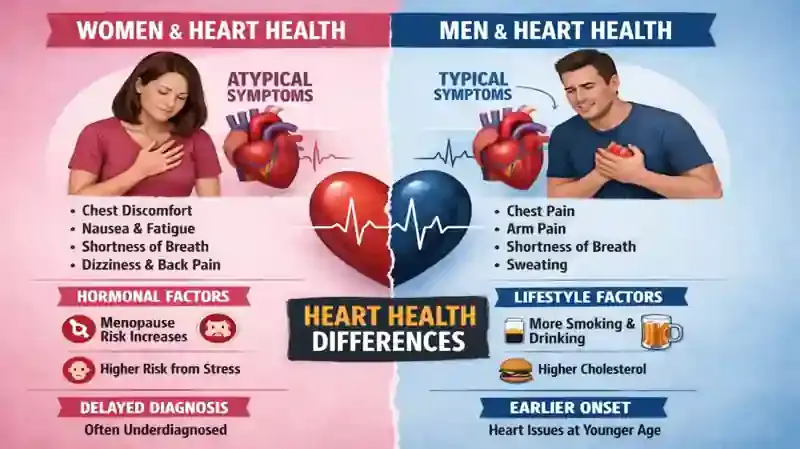
Image Credit: narayanahealth.org
Why Lifestyle Matters More Than Quick Fixes
One of the biggest changes in the conversation around women’s heart health is the move away from quick fixes.
Heart health isn’t built through one perfect meal, one workout, or one supplement. It develops through patterns that are repeated over time.
Physical activity is one part of that picture. Regular movement can support cardiovascular fitness, blood pressure, blood sugar, weight management, and overall well-being. That doesn’t mean every woman needs an intense workout routine.
Walking, cycling, swimming, dancing, strength training, recreational sports, and other activities can all become part of an active lifestyle.
The important thing is finding movement that is realistic enough to maintain.
Nutrition matters too.
The American Heart Association’s updated 2026 dietary guidance emphasizes vegetables and fruits, whole grains, healthy sources of protein, unsaturated fats instead of saturated fats, minimally processed foods, and limiting added sugars and sodium.
That doesn’t require a perfect diet.
Instead, it encourages women to think about their overall eating pattern.
Sleep Is Part of the Heart Health Conversation
Sleep is another area receiving more attention.
It can be easy to treat sleep as something to sacrifice when life becomes busy. Work, family responsibilities, caregiving, social commitments, and stress can all compete for time at night.
But inadequate sleep is increasingly recognized as an important cardiovascular-health factor.
The American Heart Association’s 2026 forecast for women’s cardiovascular health identifies inadequate sleep among the risk factors expected to become more prevalent over the coming decades.
This doesn’t mean that one bad night’s sleep will damage your heart.
Rather, consistently poor sleep can become part of a broader pattern affecting health.
For women dealing with sleep disruption during perimenopause or menopause, this can be particularly frustrating. Hot flashes, night sweats, mood changes, and other symptoms can make restful sleep more difficult.
That is another reason midlife health deserves a broader conversation.
Stress Deserves Attention, Too
Modern women are often balancing multiple responsibilities at once.
Career.
Family.
Relationships.
Caregiving.
Financial concerns.
Household responsibilities.
Personal health.
Long-term stress can make healthy habits harder to maintain. Someone who is constantly exhausted may find it difficult to exercise, prepare balanced meals, or maintain consistent sleep.
Stress should therefore be considered within the larger picture of cardiovascular health rather than treated as an isolated wellness trend.
The goal isn’t to eliminate every stressful experience. That’s unrealistic.
Instead, women can look for sustainable ways to manage stress, such as regular movement, adequate sleep, social connection, relaxation practices, and professional support when needed.
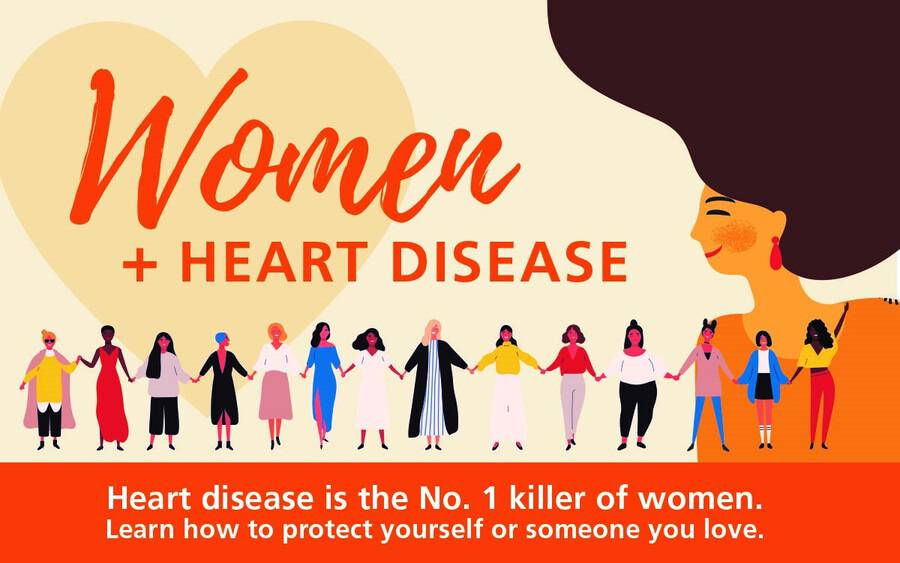
Image Credit: scripps.org
Women May Experience Heart Problems Differently
Another reason awareness matters is that cardiovascular symptoms in women are not always presented in the way people expect.
Chest pain or discomfort remains the most common heart-attack symptom in women, but women can also experience shortness of breath, nausea or vomiting, back or jaw pain, unusual fatigue, dizziness, or other symptoms.
This is important because assuming a heart attack must look like a dramatic episode of crushing chest pain can delay emergency care.
The American Heart Association has also highlighted the need for better recognition of acute coronary syndrome in premenopausal women, noting that symptoms can include chest, back, shoulder, neck, jaw, gastrointestinal, fatigue, sweating, anxiety, and dizziness.
If someone believes they may be experiencing a heart attack, they should seek emergency medical help immediately rather than trying to determine the cause themselves.
Why Research on Women Matters
Women’s heart health has also become a bigger research priority.
Historically, women have been underrepresented in some areas of cardiovascular research, making it harder to understand how certain conditions affect women specifically.
The American Heart Association has continued emphasizing the importance of sex-specific research and improved recognition of women’s cardiovascular symptoms.
This matters because biology isn’t identical across sexes.
Risk factors, symptoms, hormonal transitions, pregnancy-related complications, and responses to certain treatments can differ.
Better research means better-informed prevention and care.
Family History Should Not Be Ignored
Some cardiovascular risks are influenced by genetics.
If close family members have experienced heart disease, stroke, high cholesterol, or cardiovascular problems at relatively young ages, that information can be useful when discussing personal risk with a healthcare professional.
Family history doesn’t determine someone’s future.
However, it can help healthcare providers decide which risk factors deserve closer attention.
Knowing that history can also encourage earlier conversations about blood pressure, cholesterol, blood sugar, and lifestyle.
Prevention Doesn’t Mean Living in Fear
Perhaps the most important message in the growing heart-health conversation is that awareness shouldn’t become anxiety.
Women don’t need to constantly worry about their hearts.
They need information.
There is a significant difference.
Prevention is about understanding risk and making reasonable decisions—not attempting to control every possible outcome.
The American Heart Association’s research continues to emphasize the importance of cardiovascular prevention across a woman’s entire life course.
That means heart health can be part of an ordinary healthcare routine rather than something women think about only after a problem appears.
What Women Can Start Paying Attention To
For many women, a useful starting point is simply knowing their basic health numbers and discussing them with a healthcare professional.
These can include:
- Blood pressure
- Cholesterol
- Blood sugar
- Weight and other relevant health measures
- Physical activity
- Sleep
- Smoking status
- Family history
The American Heart Association’s 2026 women’s heart-health campaign specifically encourages people to know their blood pressure, cholesterol, blood sugar, and BMI as part of understanding cardiovascular risk.
The meaning of each number depends on the individual, so there isn’t one universal target that applies to everyone.
That’s why professional guidance matters.
Heart Health Is a Lifelong Conversation
Women’s cardiovascular health isn’t something that begins at menopause.
It changes throughout life.
Puberty, pregnancy, reproductive health, chronic conditions, lifestyle, aging, and menopause can all intersect with cardiovascular risk.
New research is reinforcing the importance of looking at these stages together rather than treating them as completely separate health topics.
The AHA’s 2026 projections are a reminder of why prevention matters: cardiovascular disease and related risk factors are expected to remain a major health challenge for women in the coming decades.
That makes early awareness especially valuable.
Final Thoughts: Why Women’s Heart Health Matters Now
Women are paying more attention to their heart health because the conversation is finally becoming more complete.
It is no longer enough to think of cardiovascular disease as something that happens primarily to older men.
Women’s heart health is influenced by blood pressure, cholesterol, blood sugar, physical activity, nutrition, sleep, smoking, family history, pregnancy history, hormonal transitions, and many other factors.
And importantly, these factors can interact throughout a woman’s life.
HOLR breaks down the story here because better awareness doesn’t mean women need another reason to worry about their health. It means women deserve better information about the health risks that can affect them.
The goal isn’t perfection.
It’s prevention.
Knowing your numbers. Paying attention to changes. Asking questions. Understanding your family history. Making sustainable lifestyle choices. And seeking medical care when something doesn’t feel right.
The growing focus on women’s heart health is ultimately a positive development because it moves the conversation toward something that has always mattered: helping women understand their cardiovascular health before a serious problem occurs.
And perhaps the most important shift is this—heart health isn’t an issue women need to wait until midlife or older age to think about.
It belongs in the conversation at every stage of life.
FAQs
Why is heart health important for women?
Heart disease and other cardiovascular conditions are major health concerns for women. Risk can be influenced by blood pressure, cholesterol, diabetes, smoking, obesity, physical inactivity, family history, pregnancy complications, menopause, and other factors.
Does menopause increase heart disease risk?
Cardiovascular risk factors can increase during the menopause transition. Recent 2026 research suggests perimenopause may be an important opportunity to reassess blood pressure, cholesterol, blood sugar, and other cardiovascular risk factors.
What numbers should women know for heart health?
Blood pressure, cholesterol, blood sugar, and BMI are among the measurements commonly considered when assessing cardiovascular health. Their meaning should be discussed with a healthcare professional based on individual circumstances.
What are the biggest stories trending online today? Read the latest here
Published by HOLR Magazine
Image Credit: drkarthigesanclinic.com