


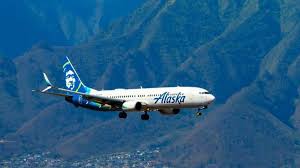
Federal regulators are reportedly reviewing allegations that multiple intoxicated passengers were allowed to board Alaska Airlines flights, raising concerns about safety and compliance.
May 29, 2026: Alaska Airlines is reportedly facing major regulatory pressure after allegations surfaced claiming the airline allowed at least 11 intoxicated passengers to board its flights. The situation has now drawn the attention of the Federal Aviation Administration (FAA), which is reportedly considering significant fines over potential safety violations.
The allegations have sparked widespread discussion about airline responsibility, passenger safety, airport alcohol policies, and federal aviation rules. According to reports, investigators believe several visibly intoxicated travelers were permitted onto flights despite regulations designed to prevent impaired passengers from boarding aircraft.
The controversy has quickly become one of the most talked-about aviation stories of the week, with experts debating how airlines should balance customer service, operational pressure, and safety enforcement.
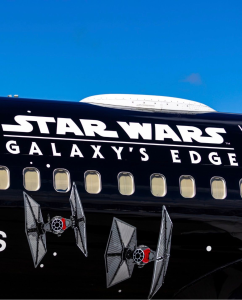
Image credit: Instagram @alaskaair
FAA Rules Strictly Limit Intoxicated Passenger Boarding
Under FAA regulations, airlines are prohibited from allowing passengers who appear intoxicated to board flights. Federal aviation rules exist to protect both crew members and passengers from potential safety risks caused by disruptive or impaired behavior during air travel.
Intoxicated passengers can create serious problems onboard aircraft, including verbal conflicts, refusal to follow instructions, aggressive behavior, or medical emergencies.
Airlines and airport staff are expected to identify signs of impairment before boarding begins. Gate agents, customer service employees, and flight crews are typically trained to recognize intoxication and intervene when necessary.
According to reports surrounding the Alaska Airlines investigation, federal officials believe the airline may have failed to properly enforce these responsibilities in multiple incidents.
If regulators determine that violations occurred, the airline could face substantial financial penalties.
Allegations Involve Multiple Flights
Reports suggest the alleged incidents involved multiple flights and several intoxicated passengers over a period of time. Authorities are reportedly reviewing internal records, employee reports, and witness accounts as part of the investigation.
The FAA has not publicly disclosed every detail of the allegations, but the case has already raised concerns across the aviation industry.
Airlines in the United States have faced increasing challenges related to unruly passenger behavior in recent years, particularly since the pandemic-era surge in disruptive incidents aboard flights.
Experts note that alcohol-related issues remain one of the most common triggers for onboard disturbances.
The allegations against Alaska Airlines have intensified discussions about whether airlines are doing enough to prevent potentially dangerous situations before passengers even enter the aircraft.
Image credit: Instagram @alaskaair
Aviation Safety Experts Weigh In
Aviation analysts say preventing intoxicated passengers from boarding is one of the most important parts of maintaining order and safety during flights.
Unlike other public spaces, aircraft cabins are confined environments where disruptive behavior can quickly escalate and place passengers or crew members at risk.
Former airline employees and aviation consultants have pointed out that identifying intoxicated travelers is not always simple. Some passengers may appear calm during boarding but later become disruptive after consuming more alcohol onboard.
Others argue that airlines face pressure to avoid delays and maintain customer satisfaction, which can sometimes complicate decisions about denying boarding.
Still, most experts agree that federal safety regulations must take priority over convenience or operational speed.
Alaska Airlines Yet to Fully Address Allegations
At the center of the controversy is whether Alaska Airlines employees followed proper procedures during the reported incidents.
The airline has acknowledged awareness of the investigation but has not publicly commented in detail on every allegation. Like most major airlines, Alaska Airlines maintains policies designed to address passenger behavior and onboard safety.
Industry observers say the company will likely cooperate fully with regulators while reviewing internal procedures and staff training programs.
The investigation may also lead to broader conversations within the airline industry about alcohol service at airports and on flights.
Many airports contain bars, restaurants, and lounges where travelers can consume alcohol before boarding. Critics argue that stronger coordination between airport vendors and airlines may be necessary to prevent visibly impaired passengers from reaching gates.
Image credit : REUTERS
Unruly Passenger Incidents Continue Across Airlines
The Alaska Airlines case comes amid continuing concerns about unruly passenger incidents across the aviation industry.
Over the past several years, airlines worldwide have reported rising cases involving aggressive behavior, verbal abuse, intoxication, and refusal to comply with crew instructions.
Flight attendants and pilot unions have repeatedly called for stricter enforcement of safety rules and stronger penalties for disruptive travelers.
In many cases, alcohol consumption has played a major role in onboard incidents.
Aviation experts say airlines are now under greater pressure than ever to proactively identify risky passenger behavior before takeoff.
The FAA has previously announced zero-tolerance policies for disruptive passengers, emphasizing that airline safety cannot be compromised.
Potential Financial Penalties Could Be Significant
If the FAA determines Alaska Airlines violated federal rules, the company could face substantial financial penalties.
Federal aviation fines can vary depending on the severity and number of alleged violations. In some past cases involving passenger safety concerns, airlines faced penalties reaching hundreds of thousands of dollars.
Beyond financial consequences, regulatory investigations can also impact public trust and brand reputation.
For airlines, maintaining a strong safety image is essential, especially in an industry where customer confidence plays a major role in long-term success.
The case may encourage airlines across the country to review boarding procedures, employee training, and alcohol-related policies more carefully.
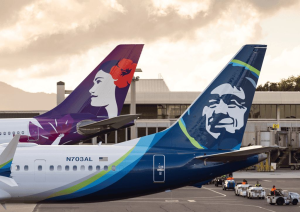
Image credit : Alaska Airlines
Broader Questions About Airline Responsibility
The controversy surrounding Alaska Airlines highlights larger questions about how much responsibility airlines carry when dealing with intoxicated passengers.
While individual travelers are responsible for their own behavior, airlines are legally required to help maintain a safe environment inside aircraft cabins.
Balancing hospitality, customer satisfaction, operational efficiency, and strict safety enforcement remains one of the airline industry’s ongoing challenges.
As the FAA investigation continues, the case could potentially influence how airlines handle intoxication screening and boarding decisions in the future.
For now, the aviation world will be closely watching how regulators respond and whether new policy discussions emerge from the controversy.
FAQs
Why is Alaska Airlines under investigation?
The airline is accused of allowing multiple intoxicated passengers to board flights, potentially violating FAA safety regulations.
What rules apply to intoxicated passengers on flights?
FAA regulations prohibit airlines from allowing visibly intoxicated passengers to board aircraft.
Why are intoxicated passengers considered a safety risk?
Impaired passengers may become disruptive, aggressive, or unable to follow crew instructions during flights.
Could Alaska Airlines face fines?
Yes. If violations are confirmed, the FAA could impose significant financial penalties on the airline.
How do airlines identify intoxicated passengers?
Gate agents, flight attendants, and airport staff are trained to recognize signs of impairment and disruptive behavior.
Are unruly passenger incidents increasing?
Yes. Airlines have reported rising cases involving aggressive and intoxicated passengers in recent years.
What are the biggest stories trending online today? Read the latest here
Published by HOLR Magazine