


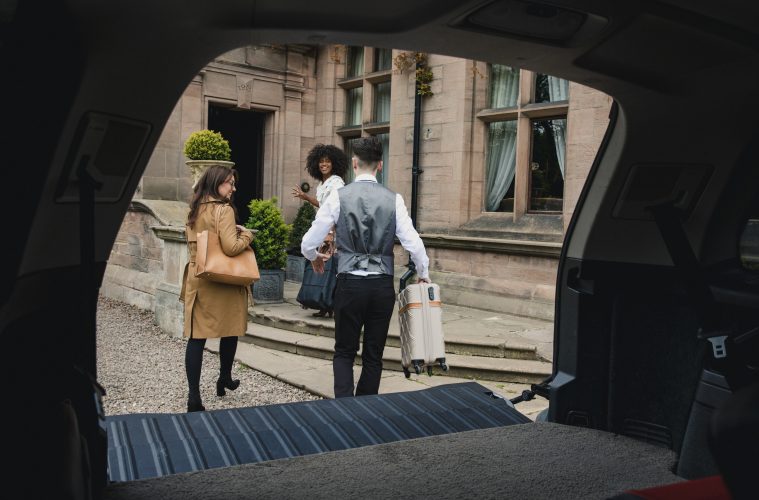
According to the 10th edition of Booking.com’s Travel Predictions, Canadian travellers are reportedly looking towards highly personalized, experimental, and tech-enhanced journeys.
2026 is finally here, and with it comes exciting new opportunities to travel the world with Booking.com–one of the world’s leading online travel platforms designed to connect travellers with the widest choice of incredible places to stay. This year, Booking.com is making note of the fact that travel is seemingly becoming a form of self-expression, where individuals are embarking on vacations that may reflect individuality, milestones, and personal interests.
With 2026 already underway, it’s time to dive into the platform’s key travel predictions and trend alerts for the year based on insights from more than 29,000 travellers across 33 countries and territories–including 1,018 Canadian travellers.
Romantasy Retreats
As outlined in Booking,com’s Travel Predictions, more than half (62%) of Canadian travellers agreed they’d potentially be interested in visiting a destination inspired by romantasy, a genre that blends romance and fantasy. This means individuals are leaning towards immersive, fantasy-inspired experiences that blur the lines of fiction and real life.
Now that AI is becoming a more prominent tool for everyday users, nearly three-quarters of Canadian travellers (72%) are also turning to AI-powered suggestions that match fantasy aesthetics, recommend secluded “storybook” stays, or pinpoint real-world filming locations. As a result, fantasy will increasingly serve as a travel blueprint moving forward, inspiring enchanted escapes where imagination and adventure take center stage.
Turbulence Tests Trips
What’s interesting about Booking.com’s latest Travel Predictions is that travellers are looking to test relationships, adaptability, and teamwork through trips this year. In fact, research claims that 65% of Canadian travellers are open to taking a trip with a potential partner, colleague, or new friend–specifically to see how well they click.
How are they doing this? Creatively, we might add.
More than half (54%) would consider travelling to a remote location to see how their companion handles ambiguity and discomfort. 50% are intrigued by role-reversal retreats (where the usual planner hands over control or the introvert takes the lead), and an equal 50% would embrace travel with clear constraints, such as budget limits, language barriers, or limited connectivity. Meanwhile, 65% would take the backseat to see if their travel partner steps up to plan the trip.
It’s intriguing to see how these turbulence tests highlight a shift in how people approach vacations: not just as a way to relax and escape, but to experiment with new ways to travel. What’s more, Canada’s Gen Z travellers are the most experimental of all, with 80% open to custom itineraries designed to simulate real-life dynamics and test connections in ways that will either soar or stall.
Modern Milestone Missions
This year, it’s looking like travel will be the best way to celebrate all of life’s milestones–big or small. Beyond traditional milestones such as a wedding or baby, personal milestones will seemingly define the future of travel in 2026. According to Booking.com’s Travel Predictions, two-thirds (64%) of Canadian travellers say they don’t need a reason to book a trip, and three-quarters (76%) justify booking a vacation simply because they’ve worked hard and deserve it.
From fitness milestones to career promotions, travellers are finding new reasons to pack their bags and celebrate with a getaway—highlighting a growing enthusiasm for marking personal achievements through travel and commemorating their individual life journeys.
Hushed Hobbies
Nature trips and retreats are making a major comeback in 2026, according to new research from Booking.com. Studies suggest 42% of Canadian travellers say they would vacation specifically to feel closer to the natural world (including 46% of Gen Z), and 21% turn to “quieter” hobbies on vacation. This can include everything from insect spotting and birdwatching to fishing and foraging, in which travellers are increasingly drawn to activities that foster a deeper connection with—and closer observation of—the natural world. With wellness and tranquil, nature-based activities shaping the future of travel, individuals are redefining what it means to recharge—finding clarity not in doing more, but in embracing less.
Glow-cations
Get your travel glow-up on in 2026! This year, skin-focused, tech-enhanced trips are becoming increasingly popular, with 69% of Canadian travellers open to booking a dedicated glow-cation featuring multiple skin-specific treatments tailored to their personal skincare needs.
What used to be simple spa escapes are going high-tech, with 50% saying they would consider using AI to identify destinations aligned with their personal skin needs. The appetite for personalization runs deeper than ever, with 66% of Canadian travellers open to personalized hydration stations that adapt to local climate and activity, while 53% are intrigued by smart mirrors analyzing pores and hydration to provide real-time skincare advice. Sleep optimization is also central, with 70% interested in enhancement suites designed with circadian lighting and soundscapes to improve rest, a vital factor in skin repair and regeneration. From ancient thermal rituals to cutting-edge DNA and microbiome testing, glow-cations mark a new era of skin specific wellness travel, where the goal is not just to recharge, but to return home visibly renewed.
Destined-ations
From moon phases to astrology, “woo-woo” mystical practices are set to guide 2026 travel choices, turning vacations into journeys that feel both spiritually aligned and cosmically timed. Namely, research shows that 39% of Canadian travellers say they would consider changing or cancelling their plans if a spiritual advisor or guide suggested it was not the right time, while 35% would reconsider trips based on a horoscope warning, and 32% would adjust if Mercury was in retrograde.
Plus, more than a third (35%) of Canadian travellers say they consider cosmic influences when planning vacations–from timing trips with moon phases or solstices to visiting energy-rich sites. This idea of trips being written in the stars (or Astrology-influenced travel) is gaining traction as travellers look for experiences that feel more intentional, spiritually meaningful, and aligned with the rhythms of the universe.
Humanoid Homes
As outlined in Booking.com’s 2026 Travel Predictions, vacation accommodations with “humanoid homes” that blur the line between practicality and play are making way for truly unforgettable and futuristic-inspired stays.
Canadian travellers now appear ready to embrace this next frontier where comfort meets curiosity, with 68% open to booking a robot-enhanced home. In fact, more than half of those interested (53%) say cleaning bots would sway their booking choice, while 45% are most excited about a robotic chef, and a quarter (22%) want robotic smart systems quietly optimizing water, energy, and waste in the background. However, it’s not just about convenience. For many, it’s the novelty (27%) of staying in a home that feels straight out of science fiction. This is a fun way to enhance your travel experience, whether you’re on a solo, family or couples getaway.
Shelf-ie Souvenirs
When it comes to souvenirs to remember your travels, individuals are choosing to bring local culture home, with travellers increasingly gravitating toward edible and design-forward souvenirs. Nearly two-thirds of Canadian travellers (62%) say they would consider purchasing locally designed kitchenware or pantry staples while on vacation—think hand-painted spice jars or artisanal olive oil in beautifully crafted tins that also double as décor.
This trend goes beyond aesthetics and may actually be rooted in a desire for deeper meaning. More than a quarter (28%) say edible souvenirs help them reconnect with a destination each time they cook, while 19% appreciate how these items highlight local craftsmanship, sustainability, and time-honoured techniques.
PastPorts
New research shows that travellers are revisiting nostalgic memories with tech. This new travel trend sees more than six in ten Canadian travellers (61%) saying they would consider recreating a favourite old photo by using AI-powered photo mapping to pinpoint where it was taken–then travelling back to that exact spot.
Among them, 57% say their primary motivation is to relive meaningful moments with family or close friends, while 43% are drawn to destinations that evoke a sense of youth, connection, or belonging. As a result, these journeys reflect a growing desire to not just remember the past, but to relive it. This is seemingly transforming travel into a deeply personal bridge between where we’ve been and who we are today.
Roadtrip Rewired
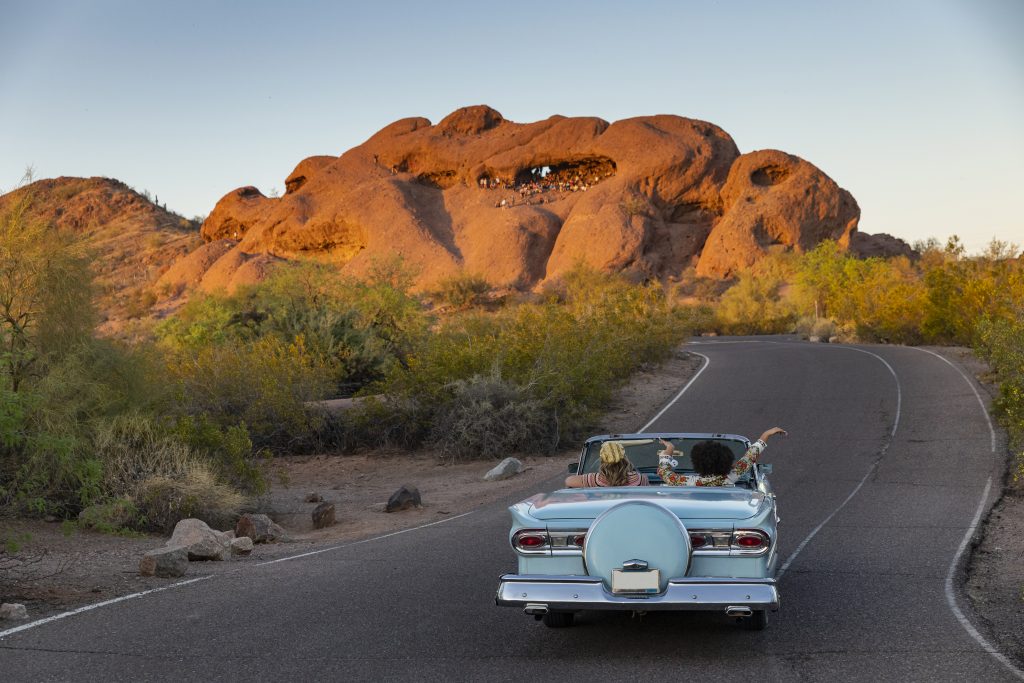
Road trips are making a strong comeback case in 2026, as they are being enhanced by aspects of AI, carpooling, and social connection.
Canadian travellers are increasingly drawn to road trips that offer spontaneity and flexibility, create opportunities to meet new people, and make it easier to share driving responsibilities. In fact, 79% are open to carpooling while on vacation. The younger generations are leading this shift toward tech-enabled travel. Among Canadian Gen Z, 77% are open to using self-driving vehicles or AI to plan their routes, compared to just 29% of Boomers. Overall, 58% of Canadian travellers say they would use AI or generative tools to uncover scenic, off-the-beaten-path routes they might not have discovered otherwise.
Check out Booking.com here for more information on the brand’s 2026 Travel Predictions.
What are the biggest stories trending online today? Read the latest here
Published by HOLR Magazine