


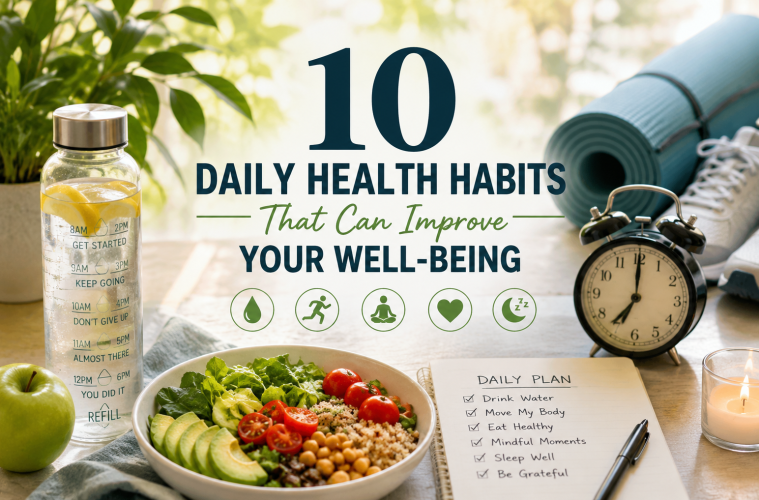
11 July,2026: Scroll through social media for just a few minutes and you’ll likely come across countless videos promising miracle diets, detox drinks, or “life-changing” wellness hacks. While these trends often attract millions of views, health experts continue to agree on one thing: lasting wellness doesn’t come from dramatic transformations. It comes from the habits you repeat every single day.
Research consistently shows that small, consistent lifestyle choices can significantly influence overall health, energy levels, mood, and even longevity. Whether your goal is to feel more energized, strengthen your immune system, improve mental clarity, or simply create a healthier lifestyle, focusing on manageable daily routines is often more effective than following restrictive wellness trends.
HOLR breaks down 10 simple health habits that can make a meaningful difference over time.

Image Credit: google.com
Start Your Morning With Water
After several hours of sleep, your body naturally wakes up slightly dehydrated. Drinking a glass of water first thing in the morning helps replace lost fluids and supports normal body functions. While it isn’t a miracle cure, staying hydrated throughout the day plays an important role in digestion, circulation, and temperature regulation.
Many health professionals recommend keeping a reusable water bottle nearby as a reminder to drink consistently rather than waiting until you feel thirsty.
Image Credit: google.com
Prioritize Protein at Breakfast
Breakfast can influence your energy levels for the rest of the day. Including a source of protein—such as eggs, Greek yogurt, cottage cheese, tofu, or nuts—may help keep you fuller for longer and reduce the urge to snack excessively between meals.
Balanced meals that combine protein, fiber, and healthy fats also help support steady energy throughout the morning.
Move Your Body Every Day
Exercise doesn’t always mean spending an hour in the gym.
Walking your dog, taking the stairs, stretching between meetings, dancing in your kitchen, or cycling around your neighborhood all count as meaningful movement. Current public health recommendations encourage adults to stay physically active throughout the week, but even short bursts of movement during the day can contribute to better overall health.
The best workout is often the one you’ll actually stick with.
Image Credit: google.com
Make Sleep a Non-Negotiable
Sleep is one of the most overlooked pillars of health.
Poor sleep can affect concentration, mood, immune function, and overall well-being. Adults generally benefit from seven to nine hours of quality sleep each night, although individual needs may vary.
Creating a consistent bedtime routine, limiting screen time before bed, and maintaining a comfortable sleep environment can all support healthier sleep habits.
Fill Half Your Plate With Fruits and Vegetables
Rather than focusing on restrictive diets, many nutrition experts encourage adding more nutrient-rich foods to your meals.
Fruits and vegetables provide vitamins, minerals, antioxidants, and fiber that support overall health. Aim for a colorful variety throughout the week to maximize nutritional benefits.
Healthy eating doesn’t require perfection—it starts with making better choices more often.
Protect Your Mental Health
Physical health and mental well-being are closely connected.
Taking a few minutes each day to pause, breathe, journal, meditate, or simply disconnect from constant notifications can help reduce stress and improve emotional resilience.
If you’re feeling persistently overwhelmed, anxious, or depressed, consider speaking with a qualified healthcare professional.
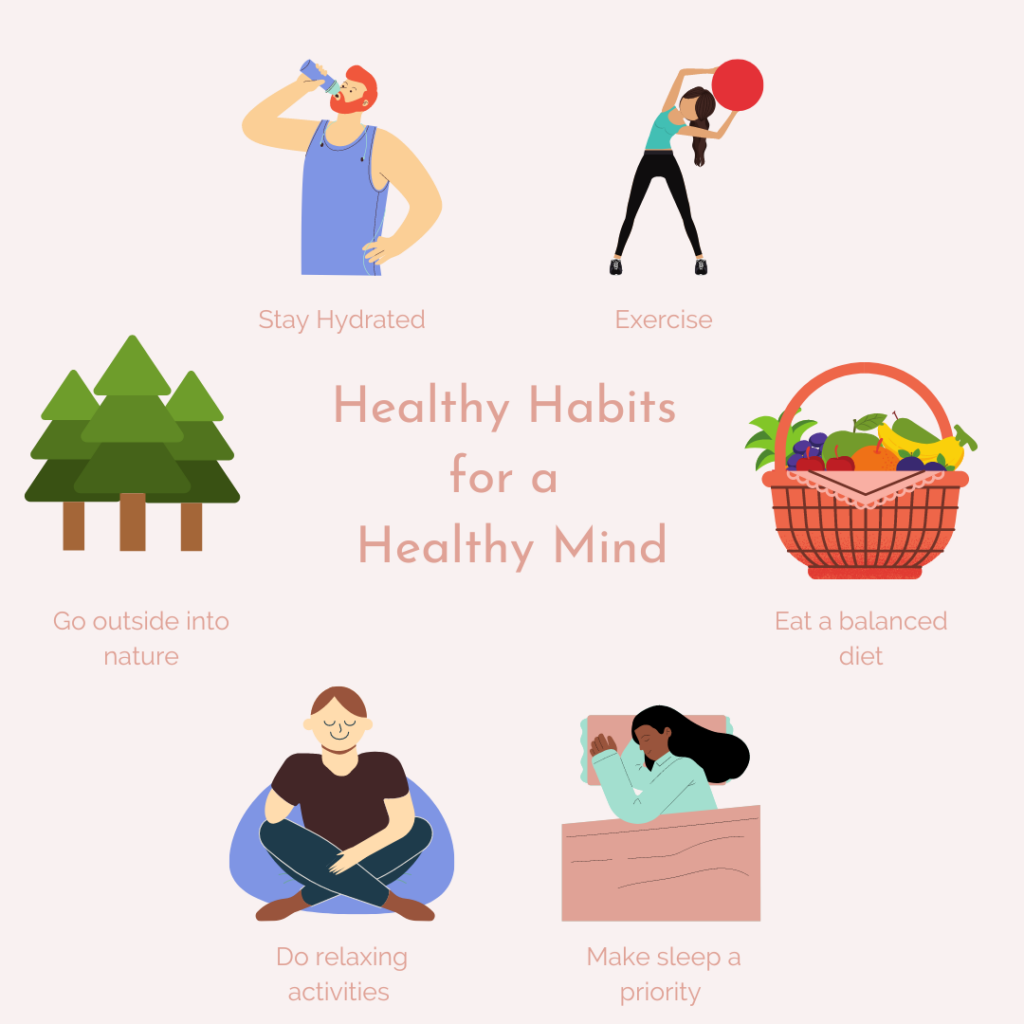
Image Credit: google.com
Spend More Time Outdoors
Even a short walk outside can positively affect your mood.
Exposure to natural light helps regulate your body’s internal clock, while spending time in nature has been linked to reduced stress and improved mental well-being.
Whether it’s enjoying your morning coffee on the balcony or taking a walk through a local park, spending time outdoors can become an easy addition to your daily routine.
Limit Ultra-Processed Foods Without Eliminating Everything You Love
Healthy eating doesn’t have to mean giving up your favorite foods forever.
Instead of striving for perfection, many dietitians recommend following an “add more” approach—adding more whole grains, fruits, vegetables, lean proteins, and healthy fats while gradually reducing heavily processed foods.
A sustainable eating pattern is far more effective than an extreme diet that lasts only a few weeks.
Stay Connected With People
Strong social relationships are an important part of overall health.
Spending time with family, friends, or supportive communities has been associated with better emotional well-being and lower stress levels.
Even a short phone call or coffee with a friend can have a meaningful impact.
Schedule Preventive Health Checkups
Many people wait until something feels wrong before visiting a healthcare provider.
Routine checkups, recommended screenings, dental visits, eye exams, and vaccinations all play an important role in preventing health problems or identifying them early.
Preventive care remains one of the simplest ways to protect your long-term health.
Rather than searching for the next viral wellness trend, consider focusing on habits you can realistically maintain. The healthiest lifestyle isn’t built in a week—it develops through small decisions repeated consistently over time.
The good news is that improving your health doesn’t require perfection. Drinking a little more water, walking a little farther, sleeping a little better, and making more nutritious food choices each day can gradually add up to meaningful improvements.
HOLR believes that wellness should feel achievable, not overwhelming. By building a routine that fits your lifestyle instead of chasing unrealistic expectations, you’ll be far more likely to create habits that last.
Frequently Asked Questions
What are the healthiest daily habits?
Healthy daily habits include staying hydrated, eating balanced meals, exercising regularly, getting enough sleep, managing stress, and attending routine health checkups.
How long does it take to build a healthy habit?
Research suggests it can take several weeks to establish a new habit, although the exact time varies depending on the individual and the behavior.
Is walking every day enough exercise?
For many people, regular walking contributes to overall physical activity and supports cardiovascular health. Combining walking with strength and flexibility exercises can provide additional benefits.
Why is sleep important for overall health?
Quality sleep supports brain function, immune health, hormone regulation, mood, and physical recovery.
What’s the easiest way to start living healthier?
Begin with one or two manageable changes, such as drinking more water, adding vegetables to meals, or taking a daily walk. Building habits gradually is often more sustainable than making multiple drastic changes at once.
What are the biggest stories trending online today? Read the latest here
Published by HOLR Magazine