


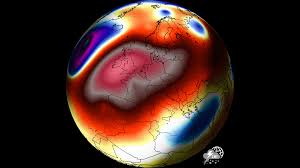
Europe’s dangerous 2026 heat dome is fueling extreme temperatures, wildfire threats, and growing public health concerns across multiple countries.
What Is the Europe Heat Dome 2026 Crisis?
May 26, 2026: The term “Europe heat dome 2026” has rapidly become one of the most searched climate topics as several parts of the continent continue experiencing dangerously high temperatures.
A heat dome occurs when a large area of high atmospheric pressure traps hot air over a region for an extended period. This creates persistent heatwaves, reduced rainfall, and rising humidity levels that can severely impact daily life, public health, agriculture, and infrastructure.
Across Southern and Central Europe, temperatures have reportedly crossed seasonal averages by significant margins. Cities in countries including Spain, Italy, Greece, and France are facing prolonged periods of intense heat, prompting governments to issue public safety advisories.
According to climate coverage from BBC News and Reuters, meteorologists are closely monitoring the evolving weather system as conditions continue worsening in several regions.
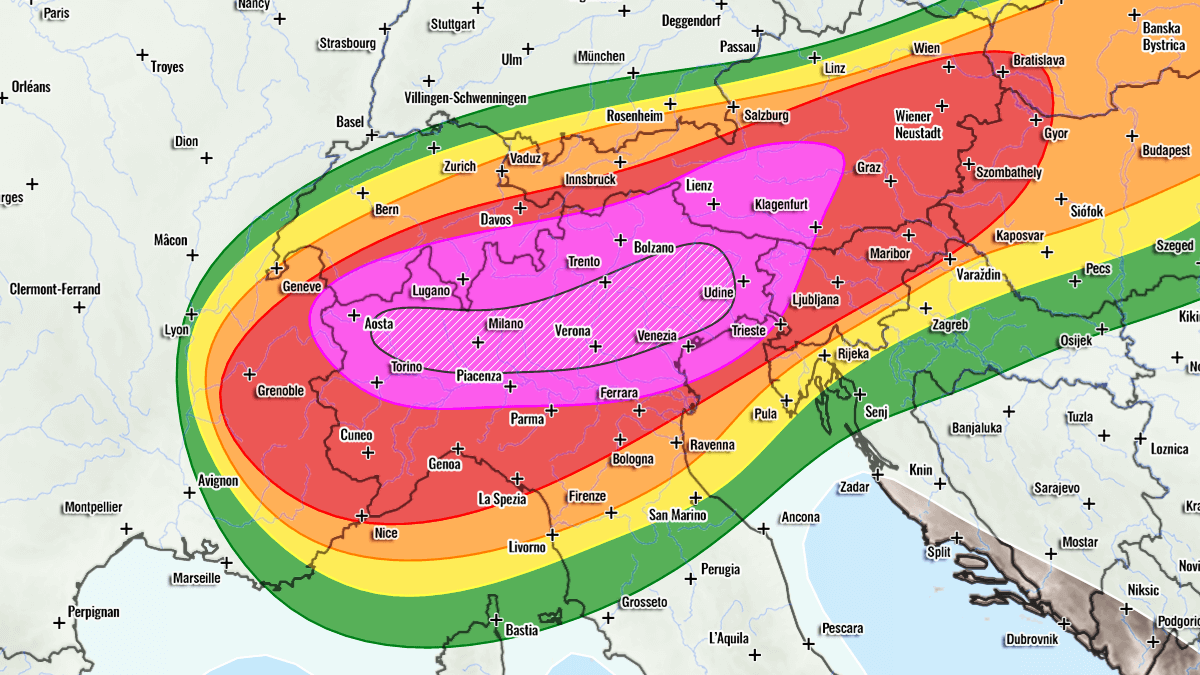
Image Credit: Severe Weather Europe
Why the Europe Heat Dome Is Causing Global Concern
Extreme heat events are no longer viewed as isolated weather incidents. Scientists increasingly connect recurring heat domes and severe heatwaves to broader climate change patterns affecting the planet.
The Europe heat dome 2026 situation has raised alarm because of its scale, duration, and intensity. Experts warn that extended exposure to extreme temperatures increases risks of dehydration, respiratory problems, heatstroke, and pressure on healthcare systems.
Major European cities are already reporting disruptions linked to the rising heat. Public transportation systems, power grids, and water supplies are facing growing stress as temperatures remain elevated for consecutive days.
Climate analysts speaking to The Guardian noted that Europe is warming faster than many other regions globally, making extreme summer conditions increasingly common.
Countries Most Affected by the Heat Dome
Southern Europe has emerged as the most heavily affected region during the ongoing heatwave. Spain and Italy are experiencing especially intense daytime temperatures, while parts of Greece continue facing heightened wildfire threats.
In France, health authorities issued heat alerts in several regions as vulnerable populations, particularly elderly residents, face increased risks during prolonged heat exposure.
Tourist-heavy destinations are also feeling the impact. Visitors across Mediterranean regions are encountering travel disruptions, reduced outdoor activities, and emergency advisories urging people to avoid direct sunlight during peak daytime hours.
Reports from Euronews and other European outlets suggest that local governments are expanding cooling centres and emergency medical preparedness measures.
Image Credit: Daily Express
Wildfire Risks Continue to Rise
One of the most dangerous consequences of the Europe heat dome involves the growing wildfire threat. Dry vegetation, strong winds, and prolonged heat create ideal conditions for rapid fire spread.
Firefighters across Greece, Portugal, and parts of Southern France remain on high alert as authorities monitor vulnerable forest regions closely. Previous European summers demonstrated how quickly wildfires can escalate into large-scale disasters under heat dome conditions.
Environmental experts warn that climate-driven heat events are lengthening wildfire seasons across Europe. Areas once considered relatively low-risk are now experiencing increased vulnerability because of rising temperatures and prolonged drought conditions.
Satellite monitoring agencies are also tracking smoke movement and air quality concerns in several regions affected by fire outbreaks.
Public Health Systems Under Pressure
Extreme heat events place enormous strain on hospitals and emergency services. Medical professionals across Europe are urging residents to take precautions as temperatures continue climbing.
Hydration, avoiding direct sun exposure, and limiting outdoor physical activity during peak heat hours remain among the most repeated safety recommendations.
The Europe heat dome 2026 situation is particularly concerning for older adults, children, outdoor workers, and individuals with existing health conditions. Health authorities are also monitoring increases in respiratory distress and heat-related illnesses.
Organizations including World Health Organization continue emphasizing the growing connection between climate change and public health emergencies worldwide.
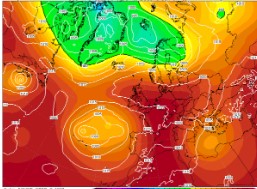
Image Credit: Severe Weather Europe
Tourism and Daily Life Face Major Disruptions
Europe’s tourism industry is another sector heavily affected by the ongoing heatwave. Summer travel traditionally brings millions of visitors to Mediterranean destinations, but extreme temperatures are now altering travel experiences significantly.
Several tourist attractions have reportedly adjusted schedules or introduced heat-related safety restrictions. Outdoor events, sports activities, and guided tours are also facing cancellations or timing changes in some cities.
Residents in urban areas are struggling with “heat island” effects, where concrete-heavy environments trap additional warmth and keep nighttime temperatures unusually high.
Transportation systems are facing challenges as rail infrastructure, airport operations, and road networks experience weather-related pressure.
Climate Experts Warn of a Long-Term Trend
Scientists increasingly describe heat domes as part of a broader pattern connected to global climate shifts. While individual weather events naturally occur, the frequency and severity of extreme heat episodes have intensified in recent decades.
Researchers argue that climate adaptation strategies are now becoming essential rather than optional. Governments across Europe are investing more heavily in urban cooling infrastructure, renewable energy systems, and emergency response planning.
However, experts caution that long-term climate resilience requires coordinated international action rather than short-term seasonal responses alone.
Reports from NASA Climate and major environmental agencies continue highlighting how rising global temperatures influence weather extremes worldwide.
Social Media Reactions and Public Frustration
The Europe heat dome 2026 crisis has also generated strong reactions online. Social media platforms are filled with videos showing empty streets, damaged landscapes, wildfire smoke, and unusually high temperature readings.
Many users expressed concern about the visible effects of climate change becoming increasingly difficult to ignore. Others criticized governments for not investing faster in climate adaptation and environmental protection measures.
At the same time, misinformation surrounding weather events continues spreading online, prompting scientists and meteorologists to encourage reliance on verified climate reporting and official weather agencies.
The digital conversation surrounding the heat dome demonstrates how climate-related stories now dominate both news cycles and everyday public discussion.

Image credit: The Atlantic
How Europe Is Responding to the Crisis
Governments across Europe are implementing emergency measures to manage the growing situation. Cooling shelters, public water stations, medical response teams, and wildfire prevention programs are being expanded in several affected regions.
Authorities are also increasing public awareness campaigns encouraging people to recognize symptoms of heat exhaustion and heatstroke.
Some cities are accelerating long-term urban planning projects focused on increasing green spaces, reducing heat-retaining surfaces, and improving sustainable infrastructure.
Climate resilience has become a major political and environmental issue as Europe faces repeated summer weather extremes.
Final Thoughts on the Europe Heat Dome 2026
The Europe heat dome 2026 crisis highlights the growing reality of extreme climate events in modern life. What was once considered unusual weather is increasingly becoming part of recurring seasonal patterns across the continent.
From public health risks and wildfire threats to travel disruptions and environmental concerns, the impact of the heat dome extends far beyond rising temperatures alone.
As Europe continues responding to the ongoing emergency, the conversation surrounding climate preparedness, sustainability, and long-term environmental policy is likely to intensify even further in the years ahead.
FAQs
Q1. What is the Europe heat dome 2026?
A heat dome is a weather system trapping hot air over Europe, causing extreme temperatures.
Q2. Which countries are most affected?
Spain, Italy, Greece, France, and Portugal are facing severe heatwave conditions.
Q3. Why is the heat dome dangerous?
It increases risks of heatstroke, wildfires, droughts, and health emergencies.
Q4. Is climate change linked to this heatwave?
Scientists say climate change is making heatwaves more frequent and intense.
What are the biggest stories trending online today? Read the latest here
Published by HOLR Magazine
Image Credit: @The Atlantic