



Planning your first European adventure? This balanced itinerary combines Paris, Amsterdam, Prague, Rome and Barcelona, with enough time to explore without spending the entire trip in transit.
August 11, 2026: Planning a trip to Europe can feel exciting until you actually open a map.
There are hundreds of beautiful cities to choose from, and suddenly a simple vacation can turn into a list of 12 countries, 15 train journeys and more hotel check-ins than anyone wants to count.
The better approach is to slow down.
For a first European trip, three to five cities can be enough for a memorable experience, especially when the route is geographically sensible. Current European travel guides similarly recommend choosing a few anchor cities rather than trying to cover an entire continent in one trip.
HOLR breaks down a practical Europe trip itinerary featuring Paris, Amsterdam, Prague, Rome and Barcelona, along with how many days to spend in each city, what to see and how to make the journey feel enjoyable rather than exhausting.

Image Credit: followmeaway.com
How Many Days Do You Need for a Europe Trip?
There is no perfect number of days for Europe.
However, 10 to 14 days is a comfortable starting point for a first trip if you want to experience several major cities.
The important thing is not to confuse the number of cities with the quality of the trip.
You could technically visit five cities in 10 days. But once airport transfers, train journeys, hotel check-ins and packing are included, you may spend a surprising amount of your vacation moving around.
A good rule is to give major cities at least two full days and avoid crossing the continent simply to add another name to your itinerary.
For a relaxed first trip, the following route works particularly well:
Paris → Amsterdam → Prague → Rome → Barcelona
If you have only seven days, choose two or three cities. If you have two weeks, you can comfortably add another destination or give your favorites more time.
1. Paris, France — 3 Days
Start your trip in Paris because few European cities offer such an immediate introduction to art, architecture, food and history.
Your first day can focus on the city’s classic sights.
Visit the Eiffel Tower, walk along the Seine and explore the historic center. Depending on your interests, you can also spend time around the Louvre, Notre-Dame and the Latin Quarter.
On your second day, slow down.
Explore Montmartre, stop at a traditional café and wander through the surrounding streets rather than trying to schedule every hour.
Your third day can be dedicated to museums, shopping or a day trip to Versailles.
Best for: first-time visitors, art, architecture, fashion, food and romance.
Paris is one of the European cities most frequently recommended for first-time visitors, alongside destinations such as Rome, Barcelona and Amsterdam.
Paris tip
Do not try to see every famous landmark in one day.
Paris works best when you leave some time to simply walk, sit at a café and experience the city between major attractions.
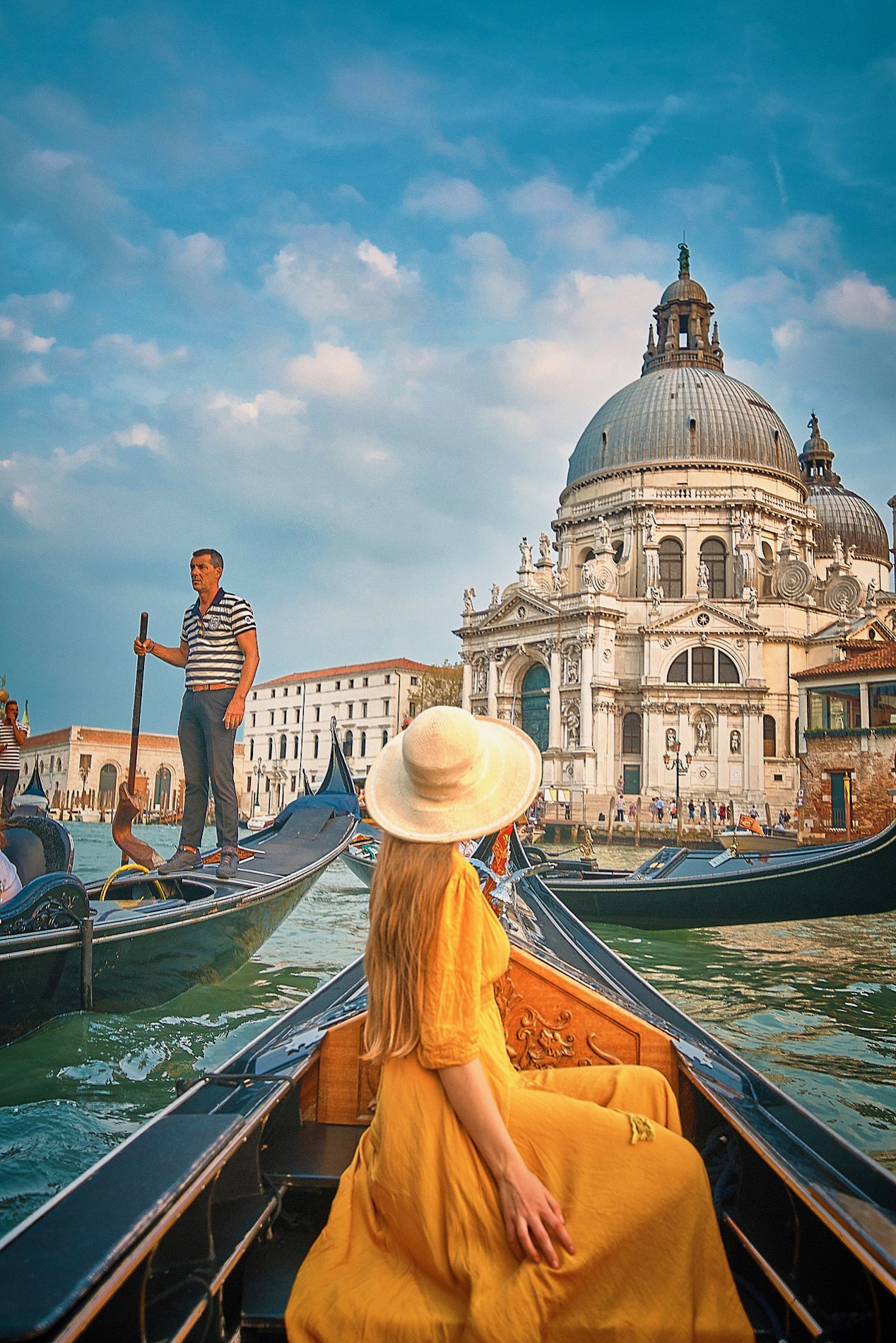
Image Credit: followmeaway.com
2. Amsterdam, Netherlands — 2 Days
From Paris, Amsterdam makes a natural next stop.
The Dutch capital offers a completely different atmosphere, with canals, narrow historic buildings, museums, cycling culture and lively neighborhoods.
Spend your first day exploring the canal belt and central Amsterdam. A canal cruise is an easy way to see the city from a different perspective.
On your second day, choose one or two museums rather than attempting to visit them all.
The Rijksmuseum and Van Gogh Museum are among Amsterdam’s major cultural attractions, while the city also offers contemporary galleries and smaller museums.
Amsterdam’s official tourism guide also highlights its extensive cycling network, making a bike ride another way to experience the city.
Best for: canals, museums, cycling, cafés, art and relaxed city exploring.
Amsterdam tip
Give yourself time away from the busiest central streets.
The city’s neighborhoods, smaller cafés and quieter canals can be just as memorable as the famous attractions.
3. Prague, Czechia — 2 Days
Prague brings a completely different architectural mood to the itinerary.
The city’s historic center is compact enough to explore on foot, making it especially useful for a shorter stay.
Start at Prague Castle and St. Vitus Cathedral before walking toward Lesser Town and crossing Charles Bridge.
From there, continue toward Old Town Square, where you can see the famous Astronomical Clock.
Prague City Tourism even offers a one-day route that connects Prague Castle, St. Vitus Cathedral, Charles Bridge, Old Town Square, the Astronomical Clock and the Powder Tower, showing how much of the historic center can be explored within a relatively short period.
Best for: historic architecture, photography, walking, cafés and romantic city views.
Prague tip
Visit Charles Bridge early in the morning if you want a quieter atmosphere.
The bridge is one of Prague’s most photographed landmarks, and the official tourism office notes its long history dating back to the 14th century.
4. Rome, Italy — 3 Days
Rome deserves at least three days because its history is layered almost everywhere you look.
Begin with ancient Rome.
The Colosseum, Roman Forum and Palatine Hill can easily take up most of a morning or afternoon.
On another day, explore Vatican City and its major cultural attractions. Then leave some time for Rome’s neighborhoods, piazzas and food.
The final day can be slower.
Visit the Trevi Fountain, Pantheon and Spanish Steps, then spend the evening enjoying authentic Italian food.
Best for: ancient history, architecture, Italian food, art and culture.
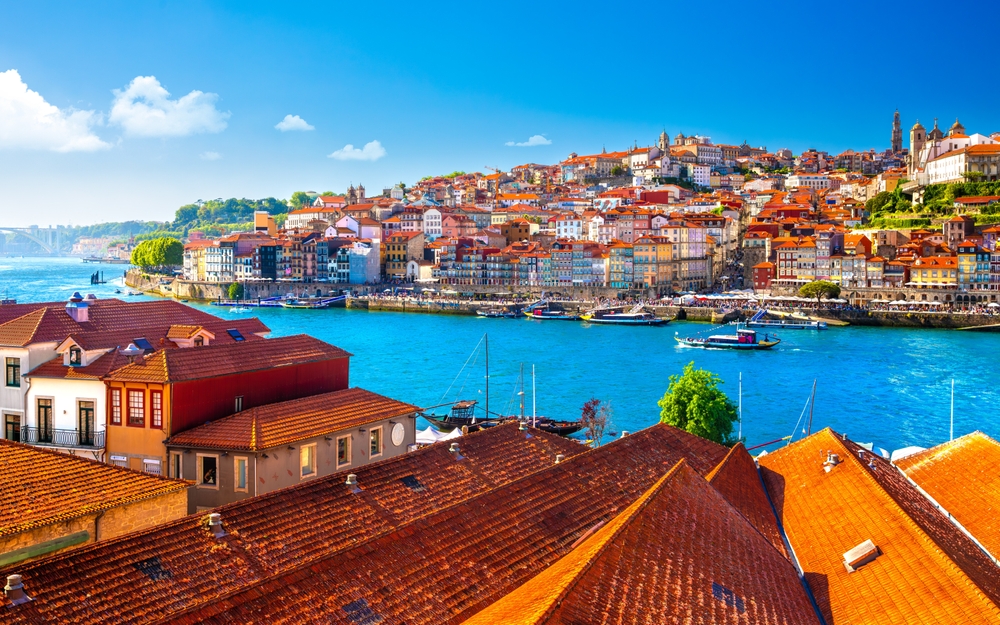
Image Credit: followmeaway.com
Rome tip
Do not schedule every meal around major tourist attractions.
Some of the best parts of an Italian vacation can be the simple ones: sitting down for pasta, ordering gelato or walking through a neighborhood after dinner.
5. Barcelona, Spain — 3 Days
Finish the trip in Barcelona, where architecture, beaches, food and nightlife create a lively final stop.
Spend your first day exploring Antoni Gaudí’s work, including the Sagrada Família and Park Güell.
Your second day can focus on the Gothic Quarter, local markets and Barcelona’s waterfront.
On the third day, slow down.
Enjoy a long lunch, explore another neighborhood or spend some time near the beach before your journey home.
Best for: architecture, beaches, food, nightlife, art and Mediterranean culture.
Barcelona is also regularly included among Europe’s leading city-break destinations, particularly for travelers looking for a combination of culture and leisure.
Barcelona tip
Avoid turning every day into a sightseeing marathon.
Barcelona is the kind of city where sitting outside with coffee or spending an evening walking through the streets can become part of the experience.
A 13-Day Europe Itinerary at a Glance
Here is how the route can work:
| Days | City | Main focus |
|---|---|---|
| Days 1–3 | Paris | Landmarks, art, food and neighborhoods |
| Days 4–5 | Amsterdam | Canals, museums and cycling |
| Days 6–7 | Prague | Old Town, castle and architecture |
| Days 8–10 | Rome | Ancient history, food and Vatican City |
| Days 11–13 | Barcelona | Gaudí, beaches, food and nightlife |
This gives you 13 days, including five major European cities without trying to squeeze an entire continent into one vacation.
If you have only 10 days, consider removing either Prague or Barcelona rather than reducing every destination to one night.
If you have 14 to 16 days, add a rest day or two rather than automatically adding more cities.
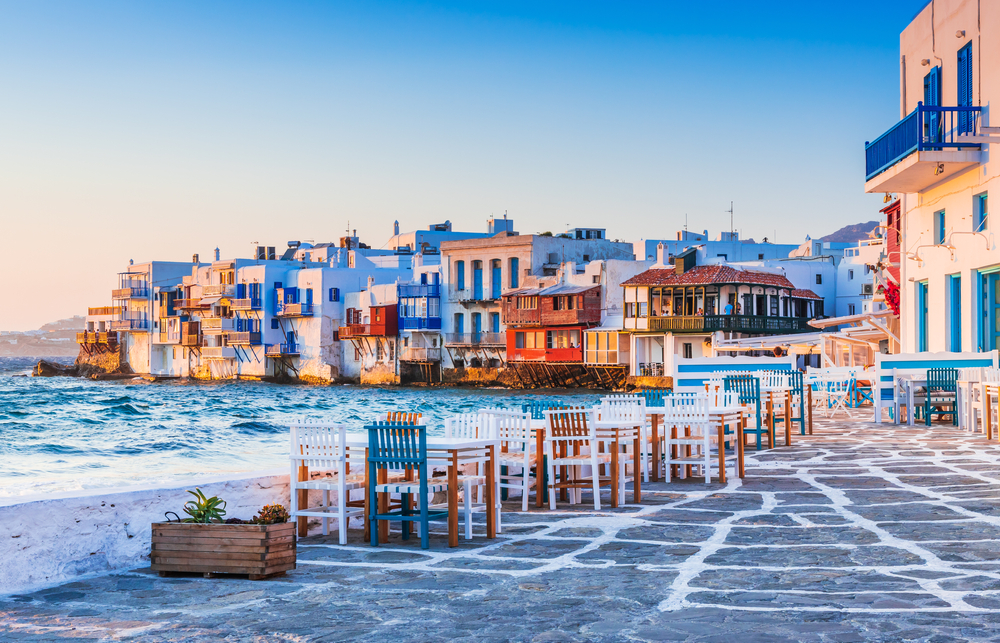
Image Credit: followmeaway.com
Should You Travel by Train or Plane?
For many European routes, trains can make sense because city-center stations can be more convenient than airports.
Paris to Amsterdam, for example, is a logical rail connection. Other journeys may be better suited to flights depending on distance, schedules and ticket prices.
The most important thing is to compare total travel time, not just the time spent in the air or on the train.
A two-hour flight can become a five-hour experience after airport transfers, security and waiting.
That is why experienced itinerary planners generally recommend geographically logical routes and using trains where practical.
When Is the Best Time to Visit Europe?
Spring and early autumn are popular choices because they can offer a balance between pleasant weather and sightseeing conditions.
Summer can be excellent for longer days, outdoor dining and festivals, but some European destinations can become extremely hot and crowded.
That is particularly relevant in 2026.
Europe has experienced significant heat extremes this summer, with parts of Italy and other regions facing temperatures above 40°C.
If you are traveling during very hot weather, build your itinerary around cooler mornings and evenings, stay hydrated and avoid packing too many outdoor attractions into the middle of the day.
Winter, meanwhile, can be wonderful if you enjoy Christmas markets, museums and quieter city breaks.
What About Schengen Visas?
Visa requirements depend on your nationality, destination and travel circumstances.
For non-EU travelers visiting the Schengen Area for a short stay, the general rule is up to 90 days within any 180-day period, although whether you need a visa depends on your nationality. The EU currently lists 29 countries in the Schengen Area.
Travelers should always check the latest official requirements before booking flights.
The EU’s Entry/Exit System also applies to relevant non-EU nationals making short stays, with biometric and entry/exit information being recorded under the system.
For travelers from countries that require a Schengen visa, applying through the appropriate consulate or official visa process should be part of the planning stage—not something left until the final weeks.
The Most Important Europe Travel Rule
Do not try to see everything.
Europe will still be there.
A trip where you spend three relaxed days in Paris, two beautiful days in Amsterdam and three memorable days in Rome can be far more satisfying than a vacation where you visit eight countries but remember mostly train stations and hotel rooms.
The best itinerary leaves room for unexpected moments.
Maybe you find a small restaurant you love.
Maybe you spend an afternoon in a neighborhood you never planned to visit.
Maybe you miss a train and discover somewhere interesting while waiting for the next one.
Those moments are part of traveling, too.
Final Thoughts
A first trip to Europe does not need to be complicated.
Start with a few cities that offer different experiences, connect them logically and give yourself enough time to actually enjoy each destination.
Paris brings romance and art. Amsterdam offers canals and culture. Prague adds historic charm. Rome delivers thousands of years of history and unforgettable food. Barcelona finishes the journey with architecture, beaches and Mediterranean energy.
HOLR breaks down the best Europe trip itinerary for travelers who want to experience several iconic cities without turning their vacation into a race.
The perfect European trip is not necessarily the one with the most destinations.
It is the one that leaves you excited to come back.
FAQs
How many days are enough for a Europe trip?
For a first trip, 10 to 14 days is a practical starting point. This allows travelers to experience several cities without changing hotels every day.
Which European cities should I visit first?
Paris, Amsterdam, Prague, Rome and Barcelona are strong choices for first-time visitors because they offer different experiences, from art and history to food, architecture and nightlife.
What is the best Europe itinerary for 10 days?
A 10-day trip is better with two or three cities. Paris, Amsterdam and Prague can work well, while Rome, Florence and Venice are another strong regional option.
What are the biggest stories trending online today? Read the latest here
Published by HOLR Magazine
Image Credit: template.net