


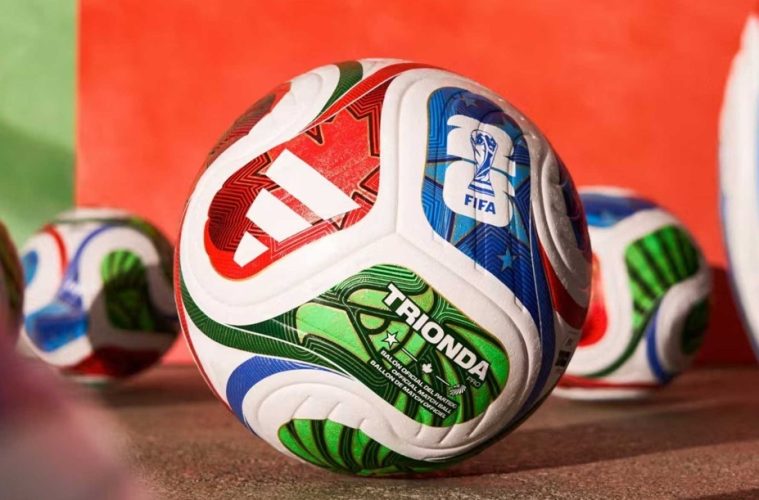
FIFA has introduced a major change to how teams are separated in the 2026 World Cup group stage, replacing goal difference with head-to-head results as the primary tiebreaker.
FIFA Makes a Significant Adjustment to Group Standings
June 20, 2026 – The 2026 FIFA World Cup is already historic because of its expansion to 48 teams, but another important change could have an equally significant impact on the tournament.
FIFA has altered the order of tiebreakers used to separate teams level on points in the group stage. Instead of using overall goal difference as the first criterion, teams will now be ranked based on head-to-head results against each other.
The update brings the World Cup in line with competitions such as the UEFA Champions League and the UEFA European Championship, where direct encounters between tied teams carry greater importance.
Although the adjustment may seem minor, football experts believe it could dramatically affect qualification scenarios and influence how teams approach crucial group matches.
How World Cup Tables Were Previously Decided
For decades, goal difference served as the primary method for separating teams tied on points.
Under the previous format, teams were ranked according to:
- Total points.
- Goal difference.
- Goals scored.
- Head-to-head records.
- Fair play points.
This system often encouraged stronger teams to score as many goals as possible against weaker opponents, knowing that every additional goal might eventually determine who advanced to the knockout rounds.
Goal difference has played a decisive role in numerous World Cups, producing dramatic finishes and heartbreaking eliminations.
Head-to-Head Results Will Now Take Priority
Beginning with the 2026 tournament, FIFA will first examine the results between teams that finish level on points.
For example, if Team A defeats Team B during the group stage and both nations ultimately finish with the same number of points, Team A will rank higher regardless of overall goal difference.
Only if teams remain level after applying head-to-head criteria will FIFA turn to additional factors such as goal difference and goals scored.
Supporters of the new system argue that it rewards teams for defeating their direct rivals instead of encouraging them to run up scores against weaker opposition.
The Change Aligns the World Cup With European Competitions
FIFA’s decision mirrors systems already used by UEFA.
The Champions League and European Championship have long prioritized head-to-head records when separating teams tied on points.
UEFA officials have argued that direct encounters provide a fairer reflection of competitive strength because they emphasize results against the teams with whom qualification is being contested.
As football becomes increasingly globalized, FIFA appears eager to bring consistency between its flagship tournament and other major international competitions.
The move also simplifies matters for players and managers who regularly compete under similar rules at club level.
The Expanded 48-Team Format Makes Every Point More Valuable
The 2026 World Cup marks the first edition featuring 48 teams.
The tournament will consist of 12 groups of four nations. The top two teams from each group will advance to the Round of 32, along with the eight best third-placed teams.
With more nations involved and additional qualification spots available, tiebreakers are expected to become increasingly important.
A single head-to-head victory could prove decisive in determining whether a country advances, finishes first, or faces a more difficult path in the knockout stages.
Because margins are expected to be extremely fine, managers may place greater emphasis on winning direct confrontations rather than simply boosting goal difference.
Historic World Cup Moments Have Been Decided by Goal Difference
Throughout World Cup history, goal difference has often produced unforgettable drama.
Several teams have qualified or been eliminated because of a single goal.
At the 2018 World Cup, Japan progressed ahead of Senegal through fair play points after both sides finished level on points, goal difference, and goals scored.
In other tournaments, teams have desperately chased additional goals during final group matches knowing their overall goal difference might determine their fate.
Under the new system, those scenarios could become less common.
Instead, direct victories over rivals may carry even greater significance.
Managers Could Approach Matches Differently
The revised rules may influence tactics throughout the tournament.
Previously, teams leading comfortably often continued attacking in search of additional goals.
With head-to-head records taking precedence, coaches might instead focus on preserving victories against key opponents rather than increasing margins against weaker teams.
Similarly, final group-stage matches could become even more tactical.
Teams may calculate scenarios based on previous results against specific rivals rather than monitoring overall goal difference.
Football analysts believe the adjustment could create entirely different strategic approaches during the latter stages of the group phase.
Debate Has Emerged Among Fans and Analysts
The rule change has generated considerable discussion across the football world.
Supporters believe the system rewards teams that perform best against direct competitors and prevents stronger nations from inflating their goal difference against less experienced opponents.
Critics, however, argue that goal difference offers a clearer reflection of overall tournament performance.
Some fans have also expressed concerns that head-to-head calculations can become confusing when three or more teams finish level on points.
Despite those concerns, FIFA appears confident that the revised format will create fairer outcomes and produce more meaningful matches.
Why the Rule Change Could Affect Knockout Paths
Group position is often crucial at the World Cup.
Finishing first instead of second can result in a significantly easier route through the knockout rounds.
With head-to-head records now playing a larger role, one result against a direct rival could ultimately determine not only qualification but also potential quarterfinal and semifinal opponents.
As a result, every group-stage match between leading contenders could become even more important.
The stakes surrounding those encounters are likely to increase considerably.
View this post on Instagram
Why the New Format Is Receiving So Much Attention
Although changes to tournament regulations do not always attract widespread interest, this particular adjustment has captured attention because of its potential consequences.
Combined with the expanded 48-team format, the new tiebreaker system represents one of the most significant modifications to the World Cup in decades.
Fans, analysts, and former players have all weighed in on how the change might influence tactics and qualification battles.
As the tournament unfolds, supporters around the world will quickly discover whether head-to-head records produce different outcomes compared with previous editions.
Final Thoughts
FIFA’s decision to prioritize head-to-head results over goal difference marks a major shift in how World Cup groups will be decided.
While the change may appear technical, its impact could be enormous. Qualification scenarios, tactical approaches, and even knockout matchups may all be influenced by the new regulations.
With the 2026 World Cup ushering in a new era for international football, fans should prepare for a tournament where direct rivalries matter more than ever before.
FAQs
What rule has FIFA changed for the 2026 World Cup?
FIFA has made head-to-head results the primary tiebreaker for teams level on points, replacing goal difference as the first criterion.
How were teams previously separated?
Goal difference and goals scored were previously considered before head-to-head records.
Why did FIFA make this change?
The change aligns the World Cup with competitions such as the UEFA Champions League and European Championship.
Does goal difference still matter?
Yes. Goal difference remains part of the tiebreaking process, but only after head-to-head criteria have been applied.
Will the new rules affect tactics?
Many analysts believe coaches could alter their strategies, placing greater emphasis on beating direct rivals rather than chasing large victories.
How many teams will compete in the 2026 World Cup?
A record 48 nations will participate in the tournament.
Could this rule change affect knockout-round matchups?
Yes. Finishing first or second in a group could depend heavily on head-to-head results, potentially influencing a team’s path through the tournament.
Published by HOLR Magazine