


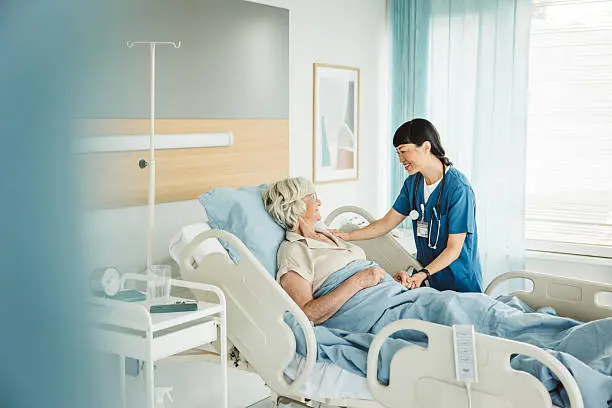
Hospital rooms are no longer just about medicine and machines. Every item in the room plays a part in how a patient heals during their stay. A room that feels cold can make a person feel more nervous.
Design choices affect the mood and recovery speed of people in the building. A warm and cozy room can make a scary medical visit feel much better. Facility managers now look for ways to make clinical spaces feel more like home.
Prioritizing Personal Privacy
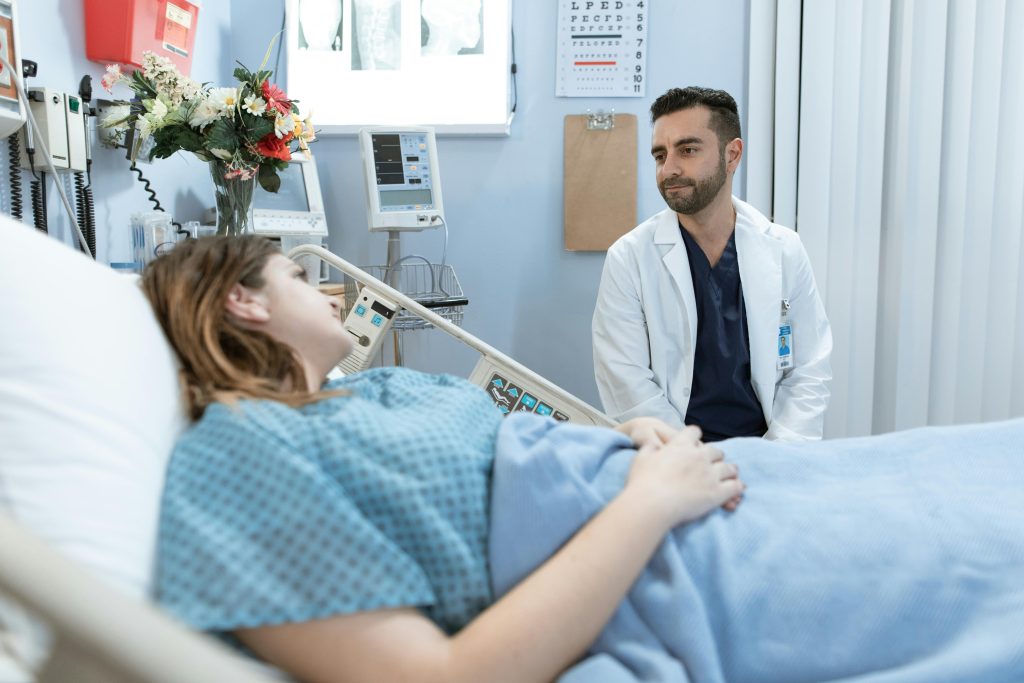
Privacy is a top concern for anyone staying in a medical facility. Feeling exposed can make a person feel anxious and prevent them from resting. Staff must find ways to shield patients from the eyes of others in a busy area.
Managing visibility in a busy ward requires a flexible solution for staff members. Many modern clinics use options like hospital cubicle curtains to create temporary private zones for their patients. These textile walls offer a sense of security when a person feels most vulnerable.
Fabric dividers are easy to use and do not take up much floor space. They allow doctors to perform exams without making the whole room feel crowded. A simple pull of a track can change a shared space into a private room in seconds.
Connecting With The Natural World
A view of the outdoors can change the way a person feels about their recovery. Patients often feel trapped when they cannot see trees or open skies. A simple window or a painting of a forest can change the mood of a room.
A report in a public health journal found that nature-themed media and indoor plants help people recover from stress. These biophilic elements help lower pain and improve the quality of sleep. Looking at a green space helps the brain relax and focus on healing during a long stay.
Using natural wood finishes or stone textures can bring a calm feel to the hall. People feel more connected to the world outside the hospital walls.
Smart Layouts For Better Care
A clear path through a building makes a medical visit much easier for everyone. Confusion about where to go adds stress to an already hard day. Clear paths help patients and visitors move around with less fear.
One medical report found that person-centered spaces include clear signs and easy access to the outdoors. These areas make room for family to stay and keep nursing stations close to the patients. Having a nurse nearby makes a patient feel safe and well cared for.
Finding a room or the exit without getting lost makes a person feel more in control. It turns a large building into a space that is easy to navigate.
Advanced Surface Safety Technology
Keeping every surface clean is a major task for any medical team. Modern technology now helps materials stay safe for longer periods of time. Surfaces must be tough enough to handle strong cleaners every day.
A chemistry paper mentions that applying coatings to medical materials helps them fight bacteria better. These treatments can help stop bad tissue reactions and keep items in good shape. This tech helps make sure the environment stays healthy for every new patient.
New fabrics and hard surfaces can now resist germs on their own. This helps the cleaning staff and protects the people using the furniture.
Adjustable Room Settings
Giving a person control over their room can make a stay feel less stressful. Small changes to the environment help a patient find the perfect level of comfort.
- Individual heat and air controls for every bed.
- Dimmable light switches for a better night of sleep.
- Blackout shades to stop the morning sun.
- Ergonomic pillows that support the neck and back.
Being able to dim the lights or change the temperature is a big deal. These features help a person feel like they are in their own home. It gives them a sense of power in a place where they often have very little choice.
Comfortable room settings help a patient rest without distractions. A well-rested patient is often a patient who heals faster.
Ergonomic Seating For Visitors
Family members often spend many hours sitting in a small medical room. They need chairs that support them through long days and nights. A hard plastic chair is not a good place for a spouse or a parent to wait.
Reclining chairs with soft padding provide a place for a loved one to rest. These pieces should be easy to move so they do not get in the way of the nurses. A good chair can even serve as a bed for a visitor staying overnight.
Comfortable seating makes it easier for the family to stay close to the patient. Support from friends and family is a key part of the healing process.
Designing a healing space requires careful thought about every single product. From the fabrics to the layout – every choice makes a difference in the patient experience.
Comfortable interiors help people focus on getting better. A well-designed room is a great tool for any medical team. Every piece of furniture helps build a better path toward a healthy life.
Published by HOLR Magazine.