



Recognizing symptoms early can play a crucial role in improving treatment outcomes.
Why Early Detection Matters
May 30, 2026 – Breast cancer remains one of the most commonly diagnosed cancers among women worldwide. While advancements in screening, diagnosis, and treatment have significantly improved survival rates, early detection continues to be one of the most important factors in successful treatment.
Many people associate breast cancer with a lump in the breast, but the disease can present itself in several different ways. Understanding the warning signs can help individuals seek medical attention sooner and potentially improve outcomes.
Although many breast changes are not cancerous, any unusual symptom should be discussed with a healthcare professional.

Credit: Shutterstock
A New Lump in the Breast or Underarm
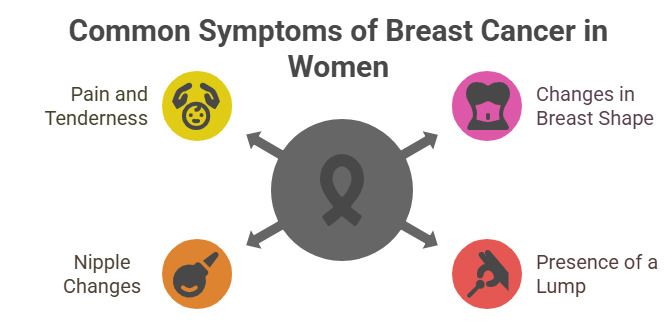
One of the most well-known warning signs of breast cancer is the appearance of a new lump or thickened area in the breast.
Cancerous lumps are often hard, painless, and irregular in shape, but they can also feel soft, tender, or rounded. Some women may notice swelling or a lump in the underarm area where lymph nodes are located.
Because not all lumps are cancerous, proper medical evaluation is essential. However, any new or unusual lump should never be ignored.
Changes in Breast Size or Shape
Breast cancer can sometimes cause noticeable changes in the size, shape, or appearance of the breast.
A breast may suddenly appear swollen, enlarged, or different from the other side. These changes can occur gradually or develop over a relatively short period of time.
Many women become familiar with their normal breast appearance over the years, making it easier to notice when something seems different.
Skin Dimpling or Puckering
Changes in the skin covering the breast can be an important warning sign.
Some women notice dimpling, puckering, or a texture that resembles the surface of an orange peel. These changes occur when cancer affects tissues beneath the skin and may cause the breast to look uneven or distorted.
While skin changes do not automatically indicate cancer, they should be evaluated promptly by a healthcare provider.
Nipple Changes Should Not Be Ignored
Certain nipple changes can also signal potential concerns.
These may include a nipple suddenly turning inward, becoming flattened, or changing position. Some women may experience persistent redness, scaling, crusting, or irritation around the nipple area.
Because these symptoms can sometimes resemble skin conditions, they are occasionally overlooked. However, persistent nipple changes deserve medical attention.
Unusual Nipple Discharge
Nipple discharge can occur for various reasons, many of which are harmless.
However, discharge that occurs without squeezing the nipple, especially if it is bloody or appears from only one breast, should be evaluated by a healthcare professional. While it does not always indicate breast cancer, it can sometimes be an early warning sign.
Prompt evaluation helps determine the underlying cause.
Persistent Breast Pain
Breast pain alone is not typically the most common symptom of breast cancer.
However, persistent pain that affects one specific area of the breast and does not appear related to the menstrual cycle should not be ignored. Although breast discomfort is often caused by hormonal changes or benign conditions, ongoing pain deserves medical assessment.
Healthcare providers can determine whether additional testing is necessary.
Credit: iStock
Redness, Swelling, or Warmth
Inflammatory breast cancer, a rare but aggressive form of breast cancer, may not always present with a lump.
Instead, symptoms can include redness, swelling, warmth, tenderness, and skin thickening. The breast may appear inflamed or develop a rash-like appearance.
Because these symptoms can resemble an infection, some individuals delay seeking care. Prompt medical evaluation is particularly important when these changes occur suddenly.
Regular Screening Saves Lives
While knowing the symptoms is important, routine screening remains one of the most effective tools for early detection.
Mammograms can identify abnormalities before symptoms develop, allowing treatment to begin at earlier stages when outcomes are often better. Healthcare recommendations vary depending on age, family history, and individual risk factors, so discussing screening schedules with a medical provider is important.
Self-awareness and regular medical care work together to support breast health.
Final Thoughts
Understanding the early signs of breast cancer can help women recognize potential warning signals and seek medical advice promptly. Symptoms such as new lumps, breast shape changes, skin dimpling, nipple abnormalities, unusual discharge, and persistent pain should never be ignored.
While many breast changes turn out to be non-cancerous, early evaluation remains essential. Combined with regular screenings and routine healthcare visits, awareness can play a vital role in detecting breast cancer at its earliest and most treatable stages.
FAQs
Q1. What is the most common early sign of breast cancer?
A new lump or thickened area in the breast or underarm is one of the most common warning signs.
Q2. Does breast cancer always cause pain?
No. Many breast cancers do not cause pain, especially in the early stages.
Q3. Can breast cancer occur without a lump?
Yes. Some forms of breast cancer may cause skin changes, swelling, redness, or nipple abnormalities without a noticeable lump.
Q4. When should I see a doctor about breast changes?
Any new, unusual, or persistent breast change should be evaluated by a healthcare professional.
Q5. Are all breast lumps cancerous?
No. Many breast lumps are benign, but all new lumps should be assessed by a medical provider.
Published by HOLR Magazine