


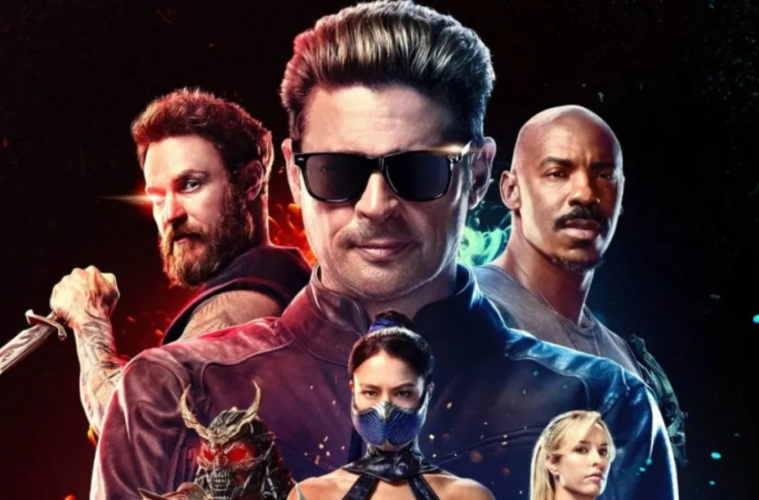
The sequel delivers brutal action, stronger characters, and fan-focused spectacle
‘Mortal Kombat II’ Expands the Franchise Ambitiously
May 07, 2026 – Mortal Kombat II arrives with significantly higher expectations than its predecessor, and for the most part, the sequel succeeds by embracing exactly what longtime fans wanted more of: larger tournament stakes, recognizable game mythology, brutal fight choreography, and a much stronger emotional core.
Where the previous film often felt like a setup for future installments, Mortal Kombat II finally commits fully to the franchise identity audiences expected from the beginning. The sequel feels more confident, more focused, and far less restrained in how it approaches the source material.
The film leans heavily into fan service, but unlike many video game adaptations that rely solely on nostalgia, this installment understands that spectacle only works when audiences are invested in the characters underneath the violence. That balance becomes one of the movie’s biggest strengths.
Credit: Warner Bros.
Karl Urban’s Johnny Cage Steals the Film
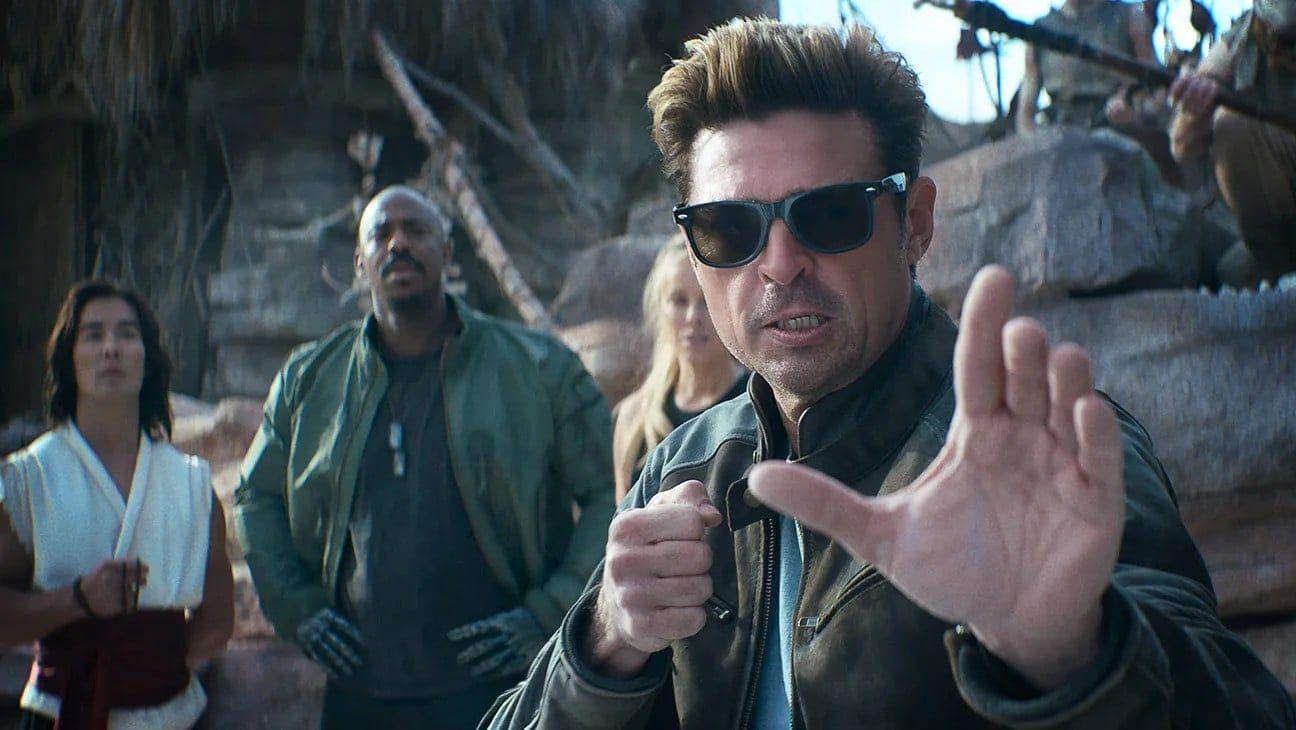
One of the sequel’s smartest decisions is the introduction of Karl Urban as Johnny Cage. Urban immediately injects energy, charisma, and humor into the film, giving the story a personality boost that the previous installment occasionally lacked.
Johnny Cage has always functioned as a balancing force within the Mortal Kombat universe, blending arrogance, comedy, and genuine heroism. Urban captures those qualities effectively without turning the character into pure parody. His performance keeps the film entertaining even during exposition-heavy moments.
More importantly, the movie allows Cage to evolve beyond comic relief. Beneath the sarcasm and ego, the character becomes emotionally grounded enough to matter within the larger story. That emotional balance helps elevate the sequel above standard franchise spectacle.
The Action Is Brutal and Surprisingly Creative
Fans expecting graphic combat will absolutely get what they came for in Mortal Kombat II. The movie embraces the franchise’s violent identity more confidently this time, delivering fatalities and fight sequences that feel closer to the tone of the games themselves.
However, the action succeeds not simply because it is bloody, but because the choreography feels purposeful and visually distinct. Different fighters move differently, powers are integrated naturally into combat, and several sequences demonstrate real creativity in staging and pacing.
The film also improves its visual clarity compared to many modern action blockbusters. Fights are easier to follow, allowing audiences to appreciate the choreography rather than becoming overwhelmed by rapid editing and visual chaos. That decision significantly improves the overall viewing experience.
The Film Finally Feels Like a Real Tournament Story
One of the biggest criticisms directed at the first modern Mortal Kombat adaptation was that it spent too much time preparing for the tournament instead of fully embracing it. Mortal Kombat II corrects that issue by centering the narrative around escalating competition and direct confrontation.
The stakes now feel tangible. Earthrealm’s survival genuinely matters within the story, and the tournament structure creates natural momentum that keeps the pacing moving steadily forward.
This shift also benefits the ensemble cast because characters are constantly forced into meaningful conflict rather than endless setup scenes. The result is a movie that feels more aligned with the spirit of the games while functioning more effectively as blockbuster entertainment.
Visual Effects and World-Building Improve Significantly
The sequel demonstrates a noticeable improvement in production scale and visual ambition. Locations feel larger, creature designs appear more polished, and the fantasy elements integrate more naturally into the environment.
Shao Kahn in particular benefits from the upgraded visual presentation. The character’s presence feels intimidating in ways the franchise absolutely needed. Rather than appearing overly artificial or cartoonish, the film gives him genuine physical and narrative weight.
The world-building also becomes more immersive because the movie spends less time explaining mythology and more time letting audiences experience it directly. Realms, factions, and character rivalries feel interconnected rather than artificially separated by exposition.
Some Characters Still Receive Limited Development
Despite major improvements, the film still struggles occasionally with balancing its enormous roster of characters. Some fighters inevitably receive far more attention than others, leaving certain fan-favorite figures feeling underdeveloped or underused.
This issue is somewhat unavoidable in ensemble franchise storytelling, especially within adaptations involving decades of established game mythology. However, there are moments where the movie clearly prioritizes spectacle over deeper emotional exploration.
A few secondary characters enter the story with exciting introductions only to disappear for long stretches afterward. While this does not ruin the experience, it occasionally limits the emotional impact of major confrontations because not every character receives equal narrative investment.
Video Game Adaptations Continue Improving
Mortal Kombat II arrives during a period when video game adaptations are finally earning greater critical and commercial respect. After years of disappointing attempts, studios increasingly understand that successful adaptations require more than recognizable branding.
Modern audiences expect filmmakers to respect the emotional and thematic foundations of the original games while still creating accessible cinematic storytelling. This sequel feels far more aware of that balance than many earlier adaptations in the genre.
Rather than apologizing for its source material, the movie embraces the exaggerated mythology, supernatural violence, and larger-than-life personalities that made Mortal Kombat globally successful in the first place. That confidence becomes one of the sequel’s defining strengths.
Credit: Warner Bros.
The Sequel Understands What Fans Actually Wanted
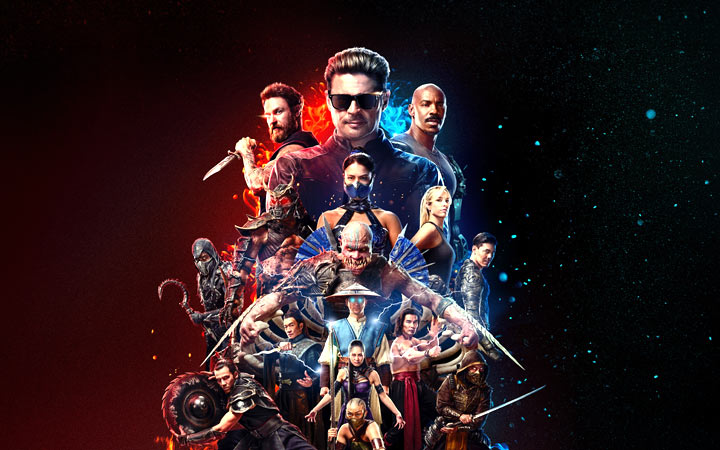
Perhaps the biggest achievement of Mortal Kombat II is that it genuinely feels like filmmakers listened to audience reactions from the previous movie. The sequel delivers more tournament structure, more iconic rivalries, more recognizable characters, and far more satisfying action.
At the same time, the film avoids becoming entirely shallow fan service. There is still enough emotional structure and narrative momentum to keep the story engaging between fights. The result is a movie that respects both hardcore fans and casual viewers looking for entertaining blockbuster action.
It may not completely reinvent the video game movie genre, but it succeeds at something equally important: understanding exactly what kind of movie it wants to be and delivering it confidently.
Final Thoughts
Mortal Kombat II is the rare sequel that improves on its predecessor in nearly every major category. With stronger performances, more focused storytelling, brutal action sequences, and greater confidence in its own mythology, the film finally delivers the cinematic Mortal Kombat experience many fans have been waiting for.
Karl Urban’s standout performance as Johnny Cage adds charisma and humor, while the tournament-driven structure gives the movie urgency and momentum. Although some characters still feel underserved, the sequel’s strengths far outweigh its weaknesses. For longtime fans of the franchise, Mortal Kombat II feels less like another adaptation attempt and more like the version of the series that should have existed from the start.
FAQs
Q1: Is Mortal Kombat II better than the previous film?
Yes, the sequel improves the action, pacing, character work, and tournament structure significantly.
Q2: Who plays Johnny Cage in the movie?
Karl Urban joins the franchise as Johnny Cage.
Q3: Does the film include fatalities and graphic action?
Yes, the movie fully embraces the franchise’s brutal violence and iconic finishing moves.
Q4: Is the story centered around the tournament this time?
Yes, the sequel focuses much more heavily on the actual Mortal Kombat conflict.
Q5: Do fans of the games need prior knowledge to enjoy it?
No, although longtime fans will appreciate many references and character moments.
Published by HOLR Magazine