



The filmmaker is set to direct a bold new take on John Milton’s classic for Ex Machina Studios, blending traditional storytelling with emerging AI-driven production approaches

A Classic Poem Reimagined For Modern Cinema

April 29, 2026Roger Avary is stepping into ambitious territory, as he prepares to adapt and direct Paradise Lost for Ex Machina Studios. Not only does the project revisit one of literature’s most complex works, but it also signals a growing intersection between traditional filmmaking and emerging technology. Moreover, the announcement, made during the Cannes Market, has already generated considerable interest across the industry. At the same time, expectations remain high given the scale and philosophical depth of the source material. Consequently, the adaptation is being positioned as both a creative and technological undertaking. Therefore, the project reflects how classic narratives are being revisited through contemporary lenses.

Translating Poetry Into Visual Storytelling

Adapting Paradise Lost presents a unique challenge, as the original work is deeply rooted in poetic language and theological themes. Not only does the narrative explore the fall of man, but it also delves into complex moral and philosophical questions. Moreover, translating such material into a cinematic format requires careful interpretation. At the same time, maintaining the essence of the text while making it accessible to modern audiences adds another layer of difficulty. Consequently, the project demands both creative vision and narrative discipline. Furthermore, past attempts to adapt similarly dense works have often struggled to balance spectacle with substance. In addition, audience expectations for epic storytelling have evolved significantly. Therefore, Roger Avary’s approach will likely determine whether the film resonates on both intellectual and visual levels.

Ex Machina Studios’ Innovative Approach

One of the most notable aspects of this project is the involvement of Ex Machina Studios, which emphasizes AI-driven production techniques. This not only signals a shift in how filmmakers develop films but also raises questions about how creators use technology in creative processes. Moreover, creators could use AI tools to enhance visual effects, streamline workflows, and support world-building. At the same time, they must integrate these tools carefully to preserve artistic intent. Consequently, this collaboration reflects a broader industry trend toward experimentation with new technologies. In addition, it highlights the potential for AI to complement rather than replace human creativity. Furthermore, projects like this may influence how future films are conceptualized and executed. Therefore, the production becomes a case study in balancing innovation with storytelling integrity.
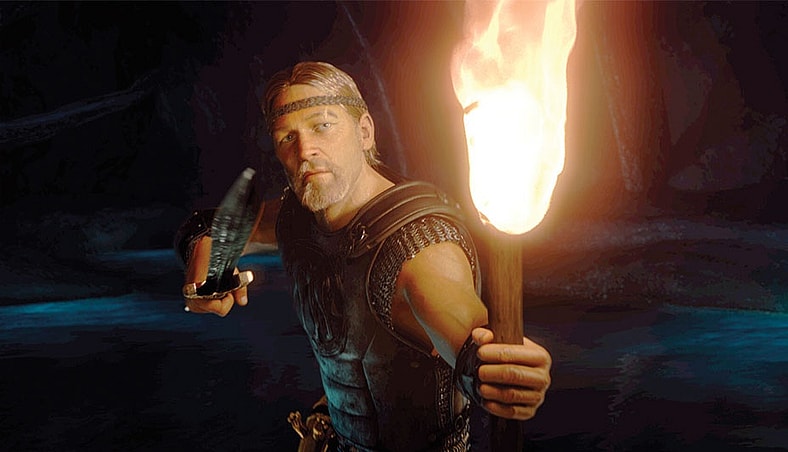
Roger Avary Tackles Epic ‘Paradise Lost’ Adaptation

Image credit:- Dread Central

A Strategic Platform For Big Announcements

The project’s unveiling at the Cannes Market has amplified its visibility within the global film community. Not only is the market a hub for major deals, but it also serves as a stage for ambitious projects seeking attention and investment. Moreover, announcements made in this environment often shape industry conversations for months to come. At the same time, the presence of established and emerging players creates a competitive atmosphere. Consequently, positioning Paradise Lost within this context suggests confidence in its potential. In addition, it allows the project to attract international interest early in its development. Furthermore, the combination of a recognizable source material and an innovative production approach makes it particularly noteworthy. Therefore, the Cannes platform plays a crucial role in framing the project’s narrative within the industry.
Roger Avary Tackles Epic ‘Paradise Lost’ Adaptation

Image credit:- Deadline

Expanding The Scope Of Epic Storytelling

As filmmaking continues to evolve, projects like this highlight the potential for blending traditional storytelling with modern techniques. Not only does Paradise Lost offer rich narrative material, but it also provides an opportunity to explore new visual possibilities. Moreover, advancements in technology allow filmmakers to depict large-scale concepts more effectively. At the same time, maintaining emotional and thematic depth remains essential. Consequently, how well the creators integrate these elements may determine the success of this adaptation. In addition, audiences are increasingly drawn to stories that combine spectacle with substance. Furthermore, the project’s scale suggests a commitment to delivering a cinematic experience that feels both immersive and meaningful. Therefore, it represents a step toward redefining what epic storytelling can achieve.
Roger Avary Tackles Epic ‘Paradise Lost’ Adaptation

Image credit:- Getty Image

Anticipation Builds Around Development
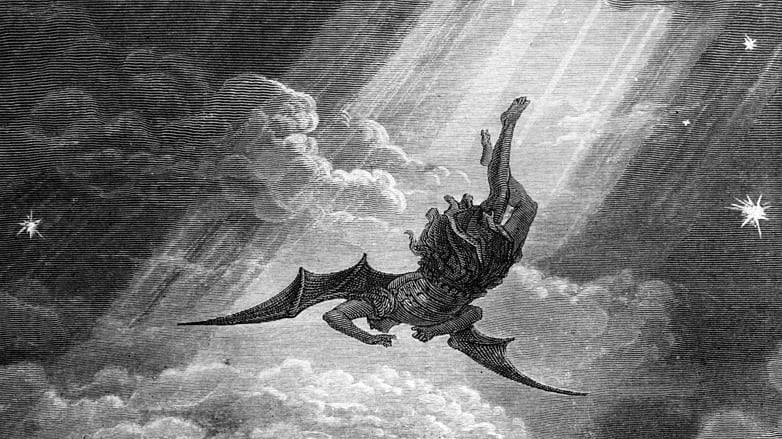
While the project remains in its early stages, anticipation is already building. Not only will casting and production details shape its trajectory, but they will also influence audience expectations. Moreover, audiences will closely watch the collaboration between Roger Avary and Ex Machina Studios. At the same time, the adaptation’s success will depend on its ability to resonate across diverse audiences. Consequently, the development phase will be critical in establishing tone and direction. In addition, early creative decisions may set the foundation for the film’s reception. Furthermore, the project’s ambitious scope suggests that careful planning will be essential. Therefore, while many questions remain, the filmmakers are laying the groundwork for a potentially significant cinematic undertaking.
Roger Avary Tackles Epic ‘Paradise Lost’ Adaptation

Image credit:- Dread Central

Final Thoughts

Roger Avary’s adaptation of Paradise Lost represents a bold convergence of literary ambition and technological innovation. While the project carries inherent challenges, it also offers a unique opportunity to reintroduce a classic narrative to modern audiences. Moreover, the involvement of Ex Machina Studios highlights the evolving role of AI in filmmaking. At the same time, the industry will be watching closely to see how these elements come together. Filmmakers can ultimately redefine how they tell epic stories in a rapidly changing cinematic landscape through this film.
FAQs
  1. Who is directing the film?
    Roger Avary is directing the adaptation.
  2. What is the film based on?
    It is based on Paradise Lost.
  3. Which studio is producing it?
    Ex Machina Studios.
  4. Where was the project announced?
    At the Cannes Market.
  5. What makes this project unique?
    It combines classic literature with AI-driven production methods.
  6. Is the film in production?
    It is currently in development stages.
  7. Why is Paradise Lost challenging to adapt?
    Due to its complex themes and poetic structure.
  8. What is the key takeaway?
    It reflects the evolving intersection of storytelling and technology.

What are the biggest stories trending online today? Read the latest here

Published by HOLR Magazine

Image Credit: Filmaffinity