


The comedian supports cultural inclusion through children’s TV
Ramy Youssef Speaks Out on the Debate
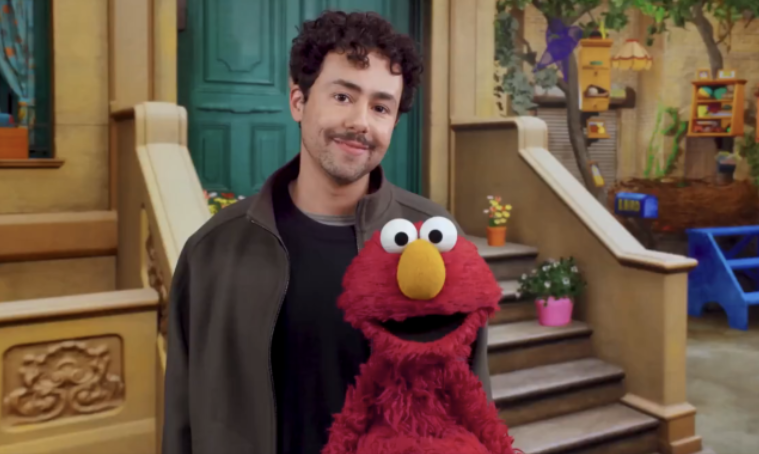
April 27, 2026 – Ramy Youssef has publicly defended a recent segment from Sesame Street in which Elmo is introduced to basic Arabic phrases. The moment quickly gained traction online, sparking a mix of praise and criticism, but Youssef framed the segment as a meaningful and necessary step toward broader cultural representation in children’s programming.
Addressing the backlash, Youssef emphasized that exposure to different languages is not only educational but also reflective of the real world children grow up in today. His comments added a strong voice of support to the creative decision, positioning it within a larger conversation about inclusivity in media.
Image Credit: Getty Images
Sesame Street’s Longstanding Educational Mission
Since its launch in 1969, Sesame Street has consistently aimed to combine entertainment with foundational learning. The show has introduced generations of children to numbers, letters, emotional intelligence, and social awareness, often using innovative methods to make complex ideas accessible.
Language learning has been part of that mission for decades. From teaching basic Spanish words to incorporating global cultural elements, the show has never limited itself to a single perspective. The introduction of Arabic is a continuation of that tradition, rather than a departure from it.
Why Arabic Representation Matters Now
Arabic is spoken by hundreds of millions of people worldwide, yet its presence in mainstream Western children’s programming remains limited. By incorporating Arabic into a widely recognized platform like Sesame Street, the creators are acknowledging a linguistic and cultural gap that has long existed.
For Arabic-speaking children, this moment offers visibility and validation. Seeing their language represented by a beloved character like Elmo can create a sense of belonging and pride. For non-Arabic-speaking audiences, it introduces a new cultural touchpoint, encouraging curiosity rather than division.
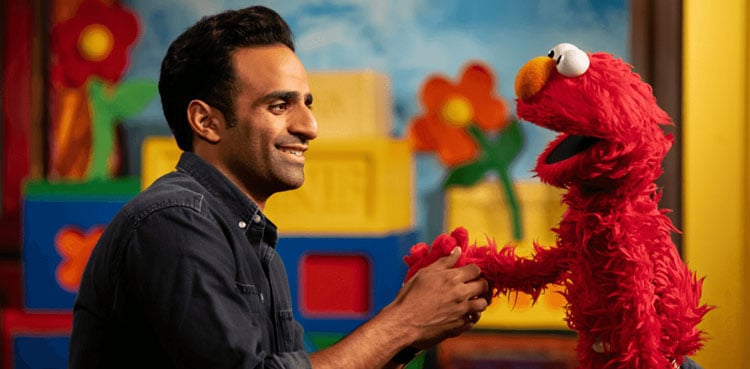
Image Credit: Getty Images
The Backlash and Youssef’s Response
Despite its educational intent, the segment faced criticism from some viewers who questioned why Arabic was being included in an American children’s show. The debate quickly moved beyond the segment itself, touching on broader cultural and political sensitivities.
Youssef responded by reframing the conversation. He argued that teaching children a few words in another language is neither controversial nor threatening—it is simply part of learning about the world. His response emphasized that education should expand horizons, not restrict them, especially in formative years.
Elmo’s Role in Making Learning Accessible
Elmo has long served as a bridge between complex ideas and young audiences. His approachable personality and curiosity make him an ideal character for introducing new concepts, including language learning.
By having Elmo engage with Arabic in a simple and playful way, the show ensures that the content remains accessible and engaging. Children are more likely to absorb new information when it is presented through a familiar and trusted figure, which is precisely why this segment resonates with many viewers.
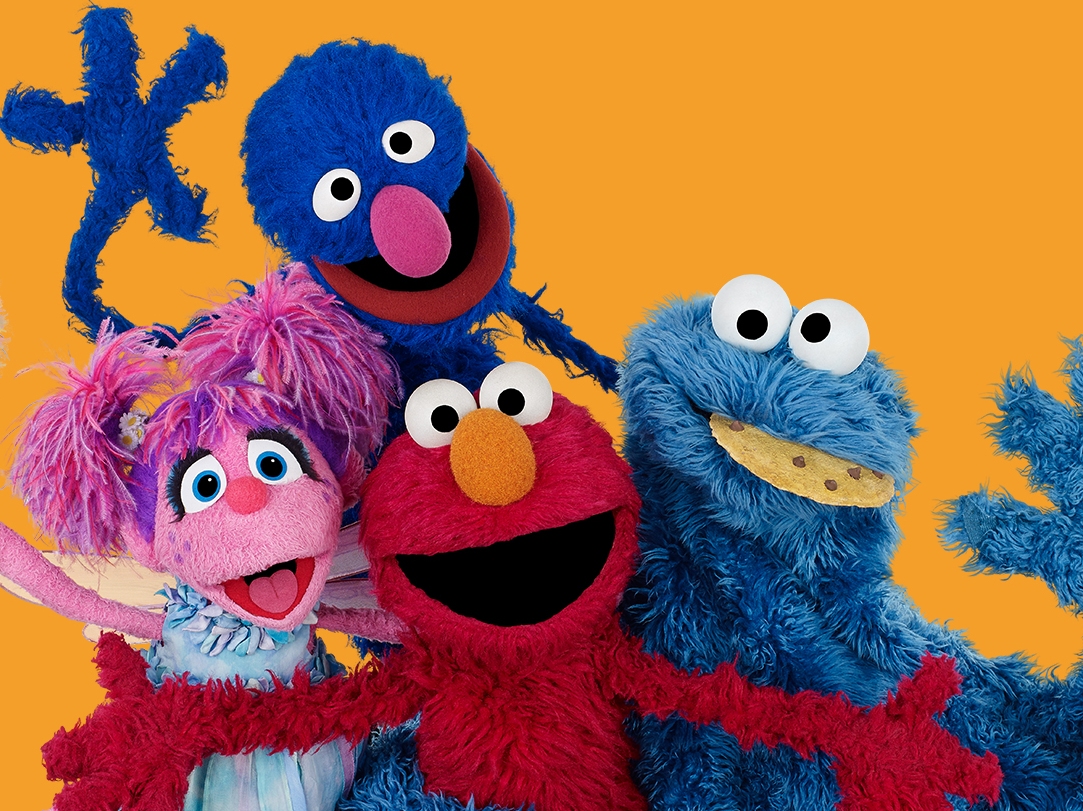
Image Credit: Getty Images
Cultural Inclusion in Modern Children’s Media
The entertainment landscape for children has evolved significantly in recent years, with a growing emphasis on diversity and inclusion. Content creators are increasingly aware that young audiences come from a wide range of cultural and linguistic backgrounds.
Youssef’s support reflects this shift. By advocating for inclusive storytelling, he highlights how media can play a role in shaping more open-minded perspectives. Programs like Sesame Street are uniquely positioned to influence how children understand and interact with the world around them.
The Balance Between Tradition and Progress
Long-running shows often face the challenge of staying relevant without losing their original identity. For Sesame Street, this means continuing to deliver educational content while adapting to changing societal norms.
The inclusion of Arabic demonstrates that evolution can coexist with tradition. Rather than altering the show’s core mission, it expands it, ensuring that the program remains meaningful for new generations of viewers. Youssef’s defense underscores the idea that growth is essential for longevity in any form of media.

Image Credit: Sarah Morris/WireImage
Broader Implications for Representation
This moment goes beyond a single segment or a single language. It reflects a broader movement toward recognizing and celebrating diversity in all forms of media. Representation is not just about visibility—it’s about normalizing differences and fostering mutual respect.
By supporting the inclusion of Arabic, Youssef is contributing to a larger dialogue about what it means to create content for a global audience. His perspective reinforces the idea that small changes in representation can have a lasting impact on how future generations perceive the world.
Final Thoughts
Ramy Youssef’s defense of Elmo learning Arabic highlights the importance of inclusivity in children’s programming. While the segment has sparked debate, it ultimately reflects a commitment to education, representation, and cultural awareness.
As media continues to evolve, moments like this serve as reminders that even the simplest lessons can carry significant meaning. Through characters like Elmo and voices like Youssef’s, children’s television remains a powerful tool for shaping understanding and empathy.
FAQs
Q1: Why did Ramy Youssef support the segment?
He believes teaching Arabic promotes inclusivity and reflects the diversity of modern audiences.
Q2: What was shown in the Sesame Street segment?
Elmo was introduced to basic Arabic phrases in an educational and playful format.
Q3: Why did the segment face criticism?
Some viewers questioned the inclusion of a non-English language in an American children’s show.
Q4: What is Sesame Street’s goal with such content?
The show aims to educate children while exposing them to different cultures and perspectives.
Q5: What impact can this have on young viewers?
It can encourage curiosity, cultural awareness, and a more inclusive mindset.
Published by HOLR Magazine