


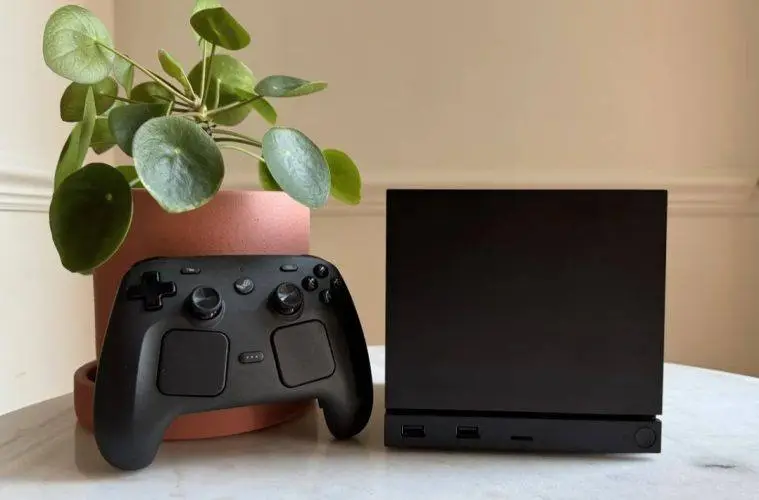
Valve’s Steam Machine aims to bring the simplicity of console gaming and the freedom of PC gaming together in one compact package, but early reviews suggest its ambitious vision may be held back by performance limitations and a premium price tag.
Valve’s Return to the Living Room
June 24, 2026 – Valve is once again attempting to redefine living room gaming with the launch of the Steam Machine.
Designed as a compact SteamOS-powered gaming PC, the device seeks to combine the accessibility of a console with the flexibility of a traditional PC. The system offers access to a vast Steam library while providing a couch-friendly experience that minimizes the setup and maintenance often associated with PC gaming. Early reviewers praised the concept, describing it as one of Valve’s most ambitious hardware projects since the Steam Deck.
The Steam Machine arrives at a time when the gaming industry is increasingly focused on convenience, portability, and ecosystem integration. Valve hopes the device can appeal to players who want PC gaming performance without the complexity of building or managing a desktop system.
However, while reviewers largely agree that Valve has succeeded in creating a polished piece of hardware, questions remain about whether its performance and pricing align with consumer expectations.

Credit: Valve
Compact Design Built for the Modern Living Room
One of the Steam Machine’s most celebrated features is its design.
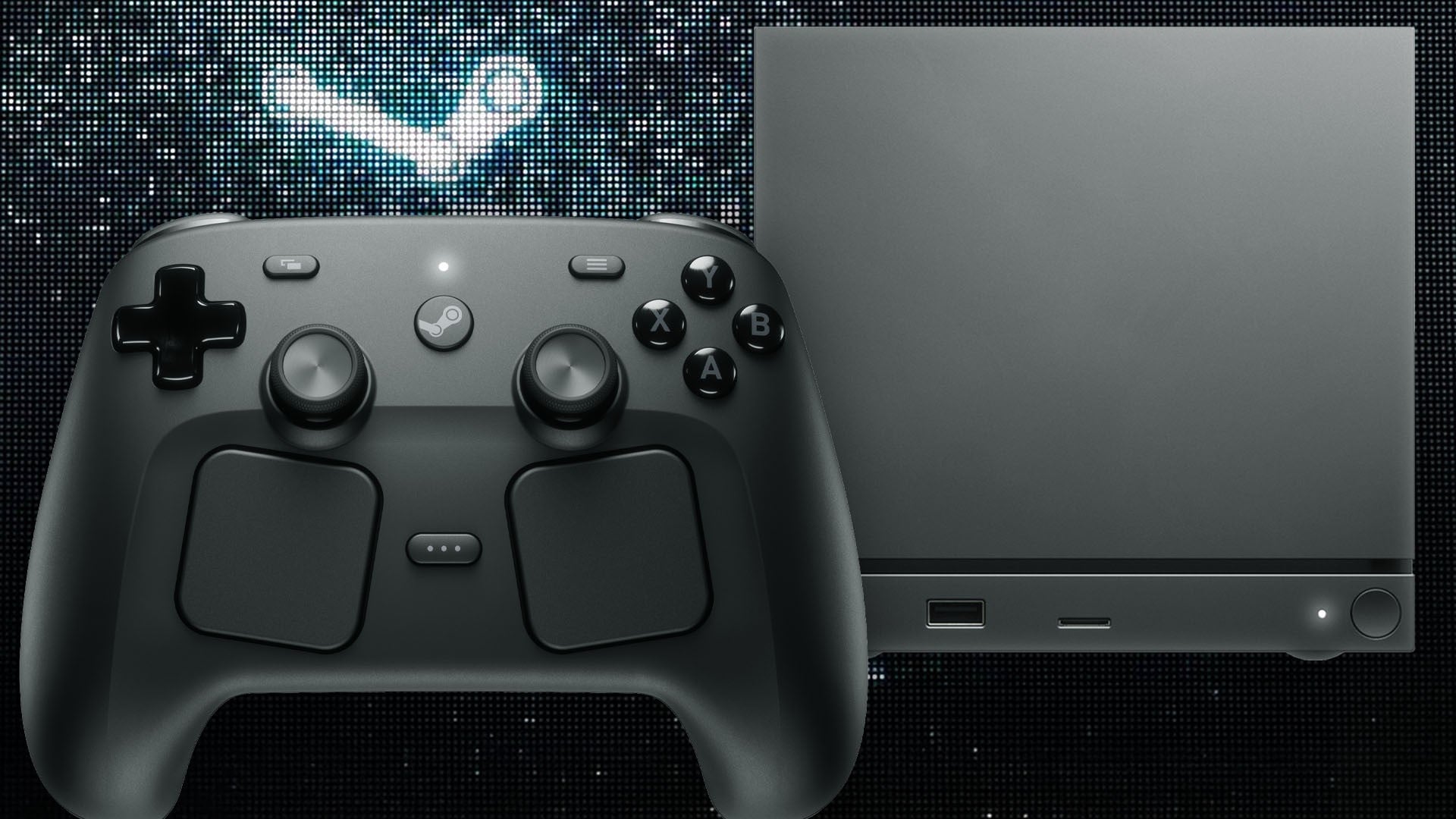
Reviewers consistently praised the compact form factor, quiet operation, and console-like appearance. Unlike many gaming PCs that can dominate a living room setup, the Steam Machine is designed to blend seamlessly alongside televisions, streaming devices, and traditional consoles.
Valve has also focused heavily on usability.
The SteamOS interface feels familiar to existing Steam users while remaining approachable for newcomers. Navigation with a controller is straightforward, and the device supports a variety of peripherals for those who want a more traditional PC experience.
The accompanying Steam Controller has also received positive feedback, with reviewers highlighting improved ergonomics, responsive controls, and strong integration with SteamOS.
Hardware Specifications Promise More Than They Deliver
On paper, the Steam Machine appears capable of delivering modern gaming experiences.
The system utilizes a semi-custom AMD Zen 4 processor paired with RDNA 3 graphics architecture, 16GB of DDR5 memory, and storage configurations ranging up to 2TB. Valve has positioned the device as a powerful step above the Steam Deck and capable of handling modern games on large-screen televisions.
Yet real-world testing has revealed limitations.
Multiple reviewers reported that demanding titles such as Cyberpunk 2077 required significant compromises to achieve stable frame rates. In many cases, users needed to lower settings substantially and rely heavily on AMD’s FidelityFX Super Resolution (FSR) technology and frame generation features.
While these technologies can improve performance, they also introduce visual compromises and additional latency that some players may notice during gameplay.
SteamOS Remains One of the Biggest Strengths
Although hardware performance has drawn criticism, SteamOS continues to receive praise.
The operating system has evolved significantly since its original introduction and now offers a polished experience similar to what players enjoy on the Steam Deck. SteamOS provides quick access to game libraries, cloud saves, community features, and controller customization tools.
Reviewers particularly appreciated the console-like simplicity.
For players who want access to PC games without regularly dealing with Windows updates, driver installations, and system maintenance, SteamOS represents a compelling alternative.
That simplicity remains one of the Steam Machine’s strongest selling points.
Credit: Valve
The Biggest Problem Is the Price
Virtually every major review has identified pricing as the Steam Machine’s biggest challenge.
The system launches with a starting price of approximately $1,049, while higher-end configurations can exceed $1,400. At those prices, reviewers argue that consumers can often build or purchase more powerful gaming PCs.
The pricing also places the Steam Machine well above current console competitors.
Many reviewers questioned whether average consumers would choose the Steam Machine over a PlayStation 5 Pro, Xbox Series X, or a traditional gaming PC offering stronger performance for a similar investment.
Even Valve has acknowledged that hardware component costs affected pricing decisions. Company representatives cited rising memory and storage costs as major contributors to the final retail price.
Performance Falls Short of Premium Expectations
High pricing naturally raises expectations.
Unfortunately, many reviewers concluded that performance does not consistently match the premium cost. Testing showed that while less demanding games run smoothly, newer AAA titles often require compromises that feel difficult to justify given the device’s price point.
Reviewers found that achieving stable 4K gameplay often required lowering visual settings, disabling advanced graphical features, or relying heavily on upscaling technologies. Some publications noted that the graphics performance falls closer to mid-range PC hardware than the premium gaming experience many consumers might expect at this price level.
As a result, the Steam Machine occupies an unusual position in the market.
It is more expensive than most consoles but does not consistently outperform similarly priced gaming PCs.
Community Reactions Reflect Similar Concerns
Online gaming communities have expressed many of the same concerns raised by professional reviewers.
Discussions across gaming forums and social media frequently focus on the system’s value proposition. Many users argue that a lower launch price would have made the Steam Machine significantly more competitive. One widely discussed community sentiment suggests that a price closer to $500–$600 would have dramatically increased its appeal.
Others remain optimistic, believing Valve’s track record of supporting hardware products could lead to future improvements through software updates and optimization.
That optimism mirrors the early reception of the Steam Deck, which improved considerably after launch through ongoing updates.
Who Should Consider the Steam Machine?
Despite criticism, the Steam Machine is not without an audience.
Players with extensive Steam libraries who want a dedicated living room gaming device may find significant value in its convenience and ecosystem integration. IGN’s early impressions were generally positive, highlighting the appeal of having a system that simply works with minimal configuration.
The device may also appeal to users who prioritize quiet operation, compact design, and SteamOS over raw performance.
However, gamers focused primarily on maximizing performance per dollar may find stronger alternatives elsewhere.
Why the Steam Machine Matters Beyond Sales
Even if the Steam Machine does not become a mainstream success, it remains an important experiment.
Valve has a long history of testing unconventional ideas that eventually influence the broader gaming industry. The original Steam Machines may not have achieved widespread adoption, but lessons learned from that initiative contributed directly to the development of the Steam Deck.
The new Steam Machine continues that tradition.
Whether it ultimately succeeds or struggles commercially, it demonstrates Valve’s ongoing commitment to expanding how and where PC games can be played.
Final Thoughts
The Steam Machine represents a fascinating attempt to merge the best aspects of console gaming and PC gaming into a single device.
Its compact design, polished SteamOS experience, and living room-friendly approach have earned widespread praise. However, performance limitations and a steep price tag prevent it from fully delivering on its ambitious promise.
For dedicated Steam users seeking convenience, the Steam Machine may still be an attractive option. For everyone else, the value proposition remains difficult to ignore.
FAQs
What is the Steam Machine?
The Steam Machine is Valve’s SteamOS-powered gaming PC designed for living room gaming. It combines console-like usability with access to the Steam platform.
How much does the Steam Machine cost?
The system starts at approximately $1,049, with higher-end configurations exceeding $1,400.
Can the Steam Machine run games at 4K?
Yes, but many reviewers reported that demanding games require lowered settings and upscaling technologies to maintain smooth frame rates.
What operating system does the Steam Machine use?
The device runs SteamOS, Valve’s Linux-based gaming operating system.
Is the Steam Machine better than a gaming PC?
Reviewers generally believe similarly priced gaming PCs offer better raw performance, though the Steam Machine provides greater convenience and a more console-like experience.
Who is the Steam Machine designed for?
The system is primarily aimed at Steam users who want a simple living room gaming experience without building or managing a traditional gaming PC.
Published by HOLR Magazine